What Living in Hawaii Is Really Like: An Honest Guide from a Mainland Transplant
Before you sell everything and book a one-way ticket to paradise, here is what nobody tells you about actually living in Hawaii as a mainland transplant. The good, the hard, and everything in between.
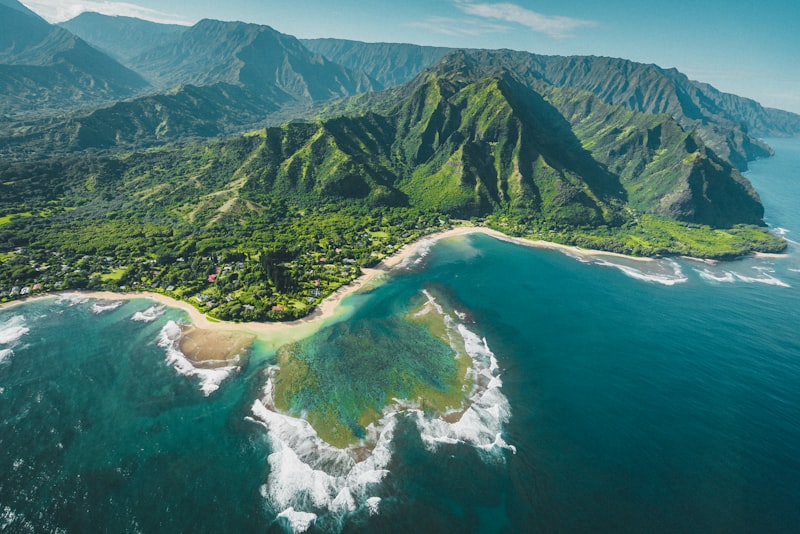
I remember the day we told friends we were moving to Hawaii. The reactions were predictable. Wide eyes. Dropped jaws. Some variation of "you are so lucky" or "I am so jealous." And look, I get it. When mainlanders think Hawaii, they think turquoise water, plumeria leis, mai tais at sunset. They are not wrong. But after living here for years now, I can tell you the postcard version of Hawaii and the reality of daily island life are two very different things.
This is not a complaint piece. I genuinely love it here and I would make the same call again. But I wish someone had sat me down before we moved and given me the unfiltered truth. So that's what I'm doing for you.
The Reality vs. the Fantasy
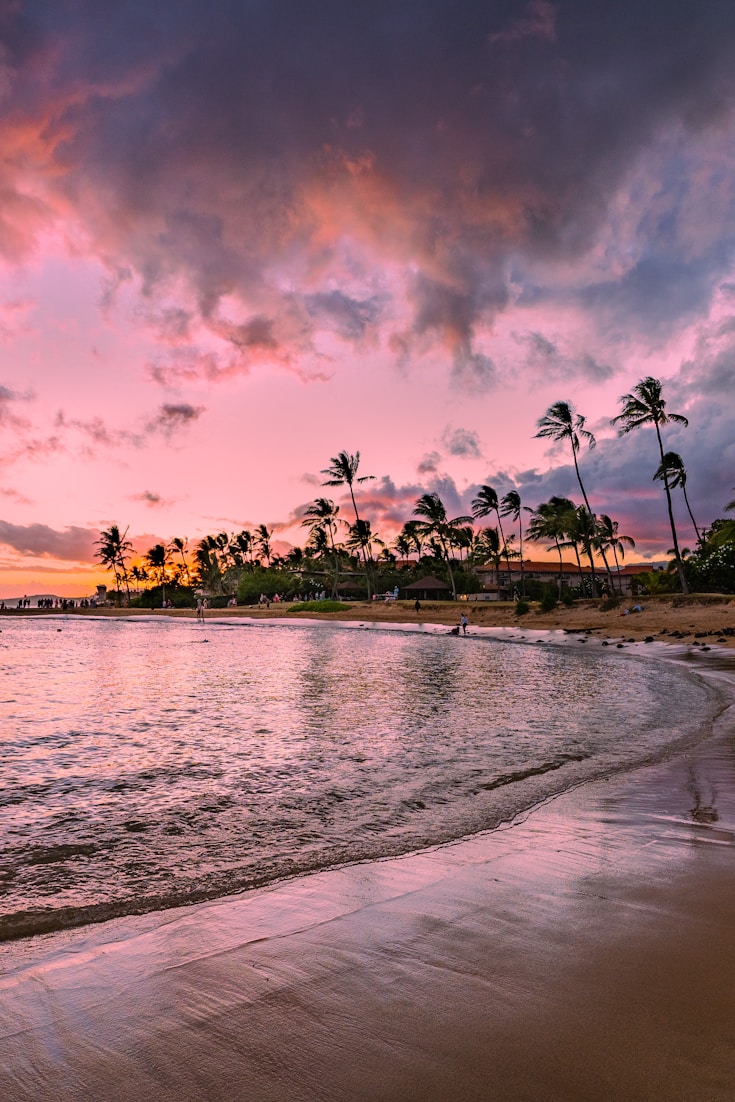
Yes, Hawaii is stunningly beautiful. I've lived here for years and I still catch my breath at a sunset or a rainbow over the Ko'olaus. The natural beauty is not exaggerated. If anything, photos do not do it justice.
Keep a first aid kit stocked at all times. Between reef cuts, lava rock scrapes, and general outdoor-kid chaos, you will use it weekly. Know whether Kaiser ER or Castle ER is closer to you for the bigger stuff.
Stock up on insect repellent wipes. The mosquitoes are relentless, especially at dawn and dusk, and they find any exposed skin.
A solid pair of water sandals becomes your default shoe. Beach, grocery store, school pickup, and somehow restaurants too.
Invest in good reusable water bottles for every family member. The humidity and heat mean you need significantly more water than you think.
You will go through reef-safe sunscreen at an astonishing rate. UV here is no joke. They actually do enforcement spot-checks at certain access points and the fine is real.
Here's what the fantasy leaves out: you still have to do laundry. You still have to sit in traffic. Your kids still meltdown at the grocery store. The mundane parts of life don't disappear just because there's a palm tree outside your window. In fact, some of them get significantly harder.
The fantasy version of Hawaii involves lounging on the beach every day. The reality is you're working, commuting, packing lunches, paying bills, and trying to keep ants out of your kitchen because the tropical climate means bugs are a year-round situation. Cockroaches the size of your thumb are not an occasional visitor. They are a permanent feature. You'll make peace with the geckos on your walls because they eat the other bugs and eventually you'll find yourself grateful for them.
None of this is meant to scare you. It's meant to prepare you. When you move somewhere expecting a permanent vacation, the crash back to reality hits hard. When you move expecting real life in a beautiful place, you can actually enjoy it.
The Cost of Living Will Take Your Breath Away
Let me be blunt. Hawaii is expensive. Not "things cost a little more" expensive. Jaw-droppingly, budget-destroyingly expensive. Consistently ranks as one of the most expensive states in the country and earns it every single day.
Groceries
Gallon of milk runs around seven to eight dollars. A loaf of bread that's three on the mainland is pushing five or six here. Ground beef, chicken, produce - everything is marked up because almost everything has to be shipped in. You learn to shop at Costco like your life depends on it. Costco Iwilei is the "good one" for most things; Kapolei has the better gas line. Farmers markets become your best friend, not just for the charm but because local produce is often fresher and more affordable than what sits on grocery store shelves. We also lean on Don Q (Don Quijote) for cheap Japanese groceries, snacks, and bento boxes.
Gas
Gas hovers well above the national average, sometimes a dollar or more per gallon higher. Depending on which island you're on, you might not have much choice in where you fill up.
Housing
The big one. The median home price on Oahu hovers around a million dollars and that does not get you a mansion. That gets you a modest three-bedroom, possibly with a carport instead of a garage, on a small lot. Rent is equally steep. A two-bedroom in a decent area can easily run $2,500 a month or more. Many families here have multi-generational living situations not by choice but by necessity. It's how people make it work.
If you're moving from a place like the Midwest where your mortgage was $1,200 a month for a four-bedroom with a yard, you need to mentally prepare. Your housing budget will look completely different here.
The Hidden Costs
Electricity is among the most expensive in the nation. Shipping anything to your home costs more and takes longer. Car registration and insurance carry their own island-sized premiums. Even eating out is pricier. A simple plate lunch - the unofficial state meal - runs $13-$16 at most spots now.
Island Time Is Real
You've heard the phrase "island time" and you probably assumed it was a cute tourism slogan. It is not. It's a genuine cultural reality and it will test your patience if you come from a fast-paced mainland life.
Things move slower. Contractors don't show up when they say they will. Government paperwork takes longer. The pace at the post office, the DMV, and the bank will make you question the nature of time itself. You know what? That's actually one of the best things about living here, once you surrender.
When I first moved, I was constantly frustrated. I wanted things done on my timeline. I came from a world of Amazon Prime two-day delivery and 24-hour everything. Learning to slow down was not optional - the island forced it on me. Eventually I realized the mainland pace was the unhealthy one, not this.
Island time means people prioritize relationships over schedules. Your neighbor will stop to talk story with you even if it makes them late. Dinners last longer. Weekends feel fuller. Nobody is racing to the next thing on their calendar. For a mom who felt constantly rushed on the mainland, the shift was a gift. Took about a year to truly settle into it. Once I did, I never wanted to go back.
The Aloha Spirit and What It Really Means
Aloha is not just a greeting. It is not just printed on a souvenir t-shirt. The aloha spirit is a real, tangible thing you can feel in how people interact here. It's actually codified in state law, if you can believe that. It represents kindness, unity, humility, patience.
In practice, the aloha spirit looks like this: the car that lets you merge in traffic even when the road is packed. The stranger at the beach who watches your stuff while you chase your toddler into the waves. My neighbor Auntie Kalei dropping off a plate of food just because she made extra. The school community rallying around a family going through a hard time without anyone needing to ask.
It's not performative. It's not for show. It comes from deep cultural roots, particularly Native Hawaiian values of community, respect for the land, and caring for one another. As a transplant, you are a guest in this culture, and the single best thing you can do is approach it with humility and gratitude rather than trying to change it to match what you're used to.
I have seen mainland transplants fail here because they arrived with an attitude of "I know better" or "things should work like they do back home." Those people do not last. The ones who thrive are the ones who listen, learn, and genuinely embrace the local way of life.
Making Friends as a Transplant
I'm going to be honest. Making friends in Hawaii can be hard, especially at first. There's a reality some transplants don't want to acknowledge, which is that not everyone is thrilled when more mainlanders move to the islands. There's a long and complicated history behind that and it deserves respect rather than defensiveness.
The cost of living crisis here is directly connected to mainland money flooding the housing market. Locals who have lived here for generations are being priced out of their own communities. When you move here, you become part of that dynamic whether you intend to or not. Acknowledging that openly and honestly goes a long way.
That said, I have made some of the deepest, most genuine friendships of my life here. It just took time and effort. Joining your kids' school community is one of the fastest ways in. Volunteering for local organizations helps. Shopping at the same farmers market every week and actually talking to the vendors makes a difference. My friend Pua is a preschool teacher and we met because our kids were in the same class - that's the kind of connection that takes time to build but it lasts.
Mom friends have been my lifeline. Auntie Kalei across the street is a kumu hula and my kids go to her hula classes. Sis Lehua, the mom of one of the kids' hula friends, has become one of my closest friends. Once you find your people, the bonds are incredibly strong. Potlucks, beach days, hiking groups - the social life revolves around being outdoors together and that creates a different kind of connection than meeting for coffee at a chain restaurant on the mainland.
Schools and Raising Kids in Hawaii
Education is complicated here. The public school system in Hawaii is a single statewide district, the only one of its kind in the country. Funding is a persistent challenge and some schools struggle with outdated facilities and limited resources. That's the hard truth.
The other side: there are some truly wonderful public schools, especially if you do your research and get involved. Charter schools offer interesting alternatives. There are strong private school options if your budget allows. Punahou, Iolani, and the others have excellent reputations but tuition is steep.
What I love about raising my crew here is the diversity. They go to school with kids from Hawaiian, Japanese, Filipino, Chinese, Korean, Samoan, and mixed-heritage backgrounds. They don't see diversity as something unusual. It's simply their normal. They celebrate Lunar New Year, learn about Hawaiian history and culture firsthand, and participate in traditions they would never have experienced on the mainland.
The outdoor lifestyle is phenomenal for kids. Mine have learned to swim in the ocean, identify reef fish, hike volcanic ridges, and respect the power of nature. They are tan, barefoot half the time, and far more comfortable outside than they ever would have been in our previous suburban life. There's no "staying inside because of weather" for months on end. They're outside year-round and it shows in their health and happiness.
One thing to know: the social dynamics at school can be tricky for transplant kids, especially in the beginning. Local kids have known each other since birth in many cases. Give your children time to find their footing, encourage them to be open and respectful, and it usually works itself out.
Missing Mainland Things
There are things I miss. I'm not going to pretend otherwise.
Target Runs
We have Target on Oahu, so that specific craving is partially satisfied. Selection is different and if you live on a neighbor island, your shopping options are significantly more limited. The casual "I'll just run to Target, HomeGoods, and TJ Maxx" afternoon does not exist in the same way.
Fast Shipping
Amazon Prime two-day delivery is a fantasy here. Many items take a week or more to arrive and some sellers won't ship to Hawaii at all. The words "excluding Alaska and Hawaii" will become the bane of your existence. You will learn to plan ahead for everything. Need a Halloween costume? Order it in August.
Seasons
I miss fall. The crunch of leaves, apple picking, cozy sweaters, the slow transition from summer to autumn. Hawaii has two seasons: warm and slightly less warm. The temperature rarely drops below the mid-sixties and while most people would call that a dream, there's something about the seasonal rhythm of the mainland that I genuinely miss. Christmas without cold weather took some getting used to. We've adapted with our own traditions but the first December here felt surreal.
Family Proximity
This is the hardest one. Being thousands of miles from family, separated by an ocean and a five-to-six-hour flight, is emotionally heavy. Grandparents can't just pop over for a weekend. You miss holidays, birthdays, spontaneous get-togethers. FaceTime helps but it isn't the same. If you have aging parents, this distance weighs on you in ways you might not anticipate.
What You Gain
For everything you give up, you gain something irreplaceable.
The Outdoor Lifestyle
Our family spends more time outside than we ever did on the mainland. Weekend hikes to waterfalls, after-school surf sessions with Brah Kimo down at Waikiki, snorkeling on a Tuesday because the conditions are right - this is just normal life. Access to nature is unparalleled. The boys think it's completely normal to see honu on the way home from school. They're growing up with the ocean as their backyard, and that's something no amount of money could buy on the mainland.
Cultural Richness
Hawaii is one of the most culturally diverse places in the United States. The blending of Hawaiian, Asian, Pacific Islander, and Western cultures creates something truly unique. The food alone reflects this. Poke bowls, spam musubi, malasadas, loco moco, shave ice, plate lunches piled high with kalua pork and mac salad. Your palate expands in the most wonderful ways. (Foodland Pupukea poke vs. Tamura's poke is the only debate I take seriously.)
The boys are growing up understanding that there is no single "default" culture. They're absorbing multiple traditions, languages, and perspectives just by existing in this community. That's an education no school curriculum can replicate.
A Tight-Knit Community
Once you're in, you're in. The community here is fiercely loyal and deeply supportive. When someone is in need, people show up with food, time, money, and labor without being asked. School fundraisers bring out the entire neighborhood. Block parties happen because someone had extra food and it seemed wrong not to share. The sense of belonging, once you earn it, is profound.
Best and Worst Months to Be in Hawaii
People assume Hawaii is the same twelve months a year. It is not.
The Best Months
April through June is my favorite stretch. Winter rain has tapered, humidity hasn't fully ramped, and whale season is just wrapping up so you might still catch a humpback breaching offshore. Tourist crowds thin out between spring break and summer. The water is warming, trades are blowing, everything feels balanced.
September and October are underrated. Summer tourists have gone home, kids are back in school, weather is warm and gorgeous. North Shore surf hasn't fully kicked in yet, so you can still enjoy those beaches without the massive winter swells.
The Worst Months
December through February brings the most rain, particularly on windward sides. It's also peak tourist season, so everything is crowded and prices spike for flights and accommodations. If your family is visiting from the mainland during Christmas, they'll pay a premium for everything.
August can be brutally humid, especially if the trades die down. VOG, the volcanic smog from Kilauea on the Big Island, can settle over the other islands and make the air hazy. It's not constant but when it happens, it's noticeable. People with respiratory issues feel it the most. And VOG can ground inter-island flights, so check before you fly.
Even the "worst" months in Hawaii are better than most places' best. A rainy day here often means a morning shower followed by sunshine and a rainbow. You learn to keep going with your plans regardless.
Advice for People Considering the Move
If you've read this far and you're still excited about moving to Hawaii, my honest advice:
Visit First. For Real.
Do not move to Hawaii based on a vacation. A one-week resort stay tells you absolutely nothing about daily life here. Rent a place for a month if you can. Stay in a residential neighborhood, not a tourist area. Shop at the local grocery store. Drive in rush hour traffic. Get a feel for the actual rhythm of the place before you commit.
Have a Financial Cushion
Move with more savings than you think you need. The cost of living will be higher than your estimates, guaranteed. Job markets vary by island and salaries do not always keep pace with the cost of living. Have at least six months of expenses saved, ideally more. If you're relying on remote work, make sure your employer is set up for Hawaii's tax situation.
Downsize Before You Move
Shipping a container of belongings to Hawaii is expensive. Really expensive. Use the move as an opportunity to purge. Sell the heavy furniture, the winter coats, the snow gear. You will not need most of what you own on the mainland. Start fresh with less stuff and buy what you need once you arrive.
Be Humble
You're a guest here. Hawaii has its own culture, history, and way of doing things. Don't move here and immediately start telling people how things are done "back home." Nobody wants to hear it. Listen. Ask questions. Learn some Hawaiian words and use them correctly. Respect the land, the ocean, and the people who have called this place home for generations.
Give It Two Years
Almost everyone goes through a rough patch. The honeymoon phase wears off, homesickness sets in, the reality of island life can feel overwhelming. Many transplants leave within the first year or two. If you can push through that adjustment period, you will likely come out the other side feeling more settled and connected than you have anywhere else. But you have to give it time.
Connect With Other Transplant Families
Find your people. There are Facebook groups, neighborhood meetups, school parent groups, and community organizations full of families who have walked this exact path. They understand the specific challenges of being a mainland transplant in Hawaii and their advice and friendship are invaluable during the transition.
Embrace the Imperfection
Your house might have mold issues. Your car will rust faster from the salt air. Centipedes will find their way inside at some point and the sting is genuinely painful. Not every day will feel like paradise. But the days that do - and there are many - will be so breathtakingly beautiful that you will forget every inconvenience.
The Bottom Line
Living in Hawaii is not a vacation. It is a life. A real, full, complicated, beautiful life. It comes with trade-offs that are significant and should not be minimized. The expense, the distance from family, the cultural adjustment, the logistical challenges - all very real.
But so is waking up to plumeria-scented air. So is watching my four kids bodysurf after school on a random Wednesday. So is the neighbor who brings you homemade mochi just because. So is the rainbow that appears over your morning coffee so reliably that you stop photographing it and just smile.
I moved here as a stressed-out, overcommitted mainland mom who thought she was chasing paradise. What I found was something better: a place that forced me to slow down, pay attention, and build a life rooted in community and gratitude rather than convenience and speed.
Is Hawaii for everyone? No. And that's okay. But if you feel the pull, if something about this place calls to you in a way you can't quite explain, then do your research, prepare honestly, and take the leap. The islands will not hand you a perfect life. But they will give you the space to build one that matters.
Home is not where everything is easy. Home is where everything is worth it.
Save this guide for later
A hui hou.