The Complete Family Guide to Whale Watching in Hawaii with Kids
Everything you need to know about watching humpback whales in Hawaii with your family, from the best islands and boat tour companies to seasickness prevention, shore watching spots, and what to pack for an unforgettable day on the water.
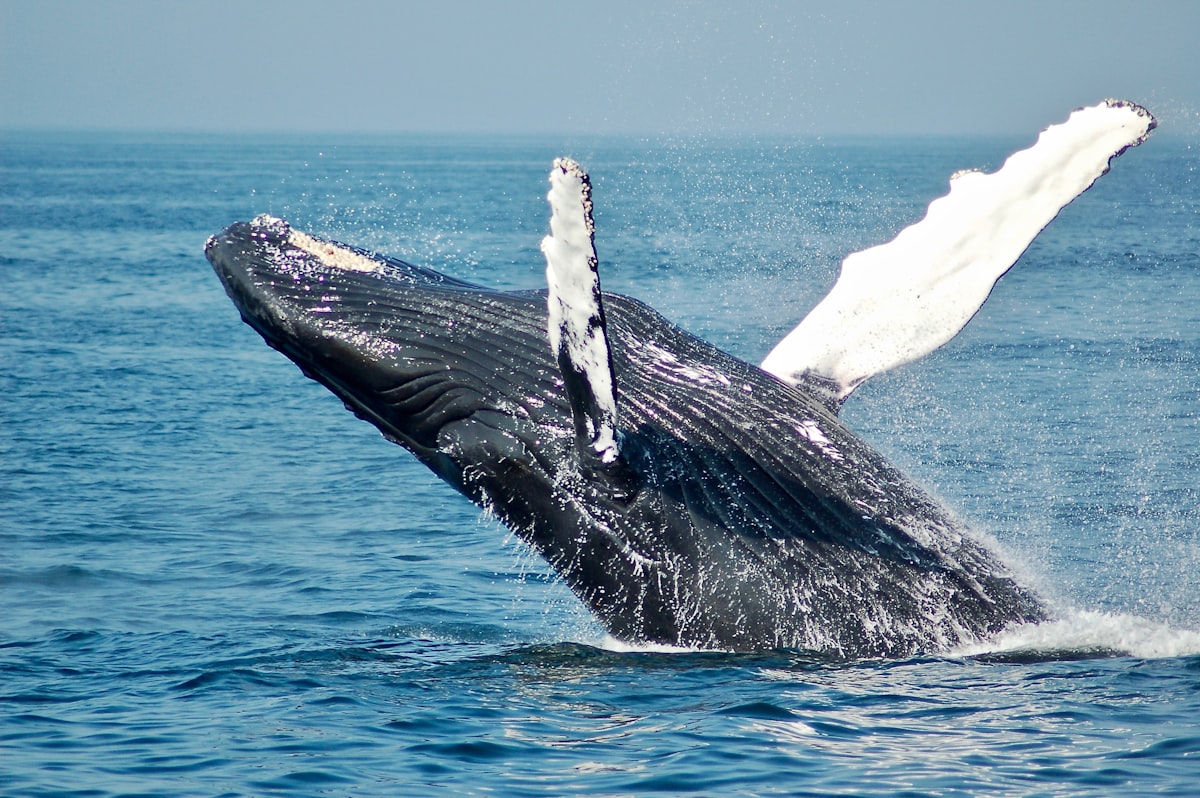
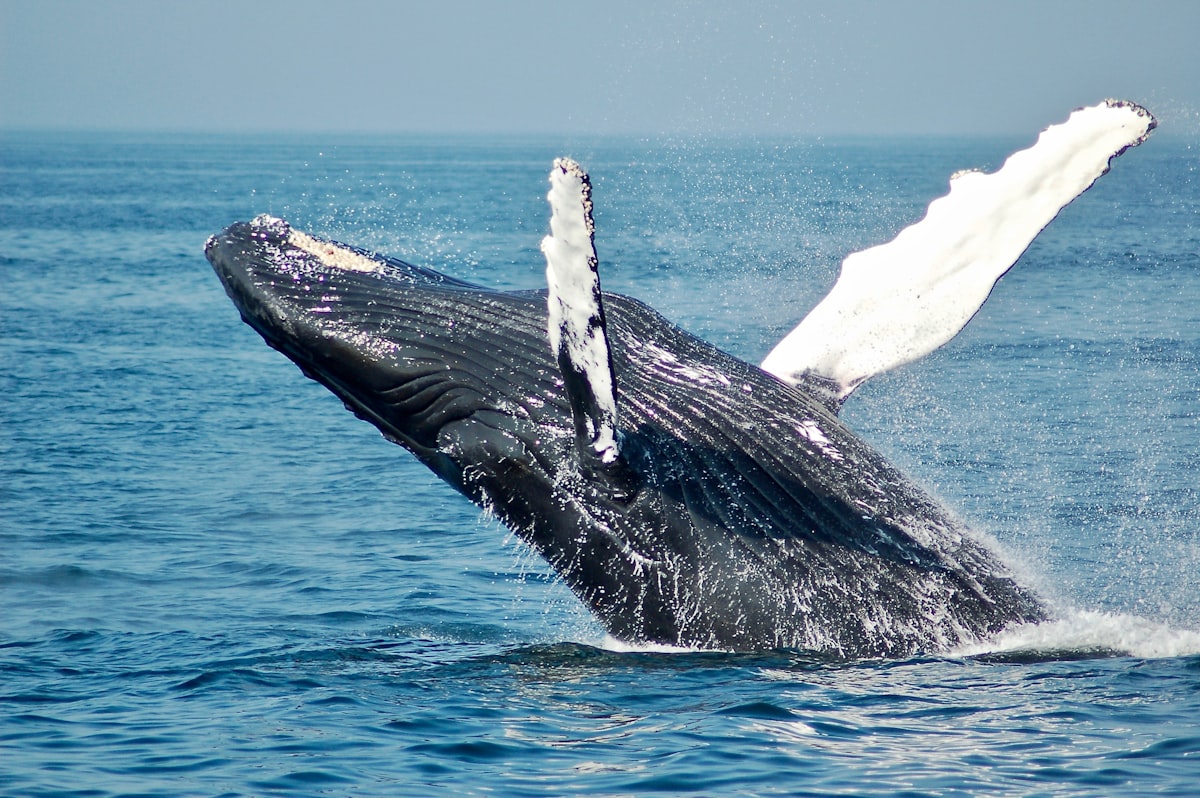
There's a moment on the water when everything goes quiet. The engine cuts. The naturalist holds up a hand. Forty pairs of eyes scan the surface. Then, no warning, forty tons of humpback whale launches itself skyward, twists in the sun, and crashes back into the Pacific with a thunderclap of white water. My older boy grabbed my arm so hard he left nail marks. The younger one forgot how to speak. And I forgot, just for a second, that I was a grown woman and not a kid seeing something impossible.
That was our first whale watch on Maui, and it changed how we think about the ocean, about Hawaii, and honestly about what counts as a perfect day. If you're trying to decide whether to drag the kids on a whale watch in winter - yes. Unequivocally. Here's what years of doing this with my kids has taught me.
Understanding Humpback Season in Hawaii
Every year, thousands of North Pacific humpbacks make the long swim from feeding grounds in Alaska to the warm shallow water around Hawaii. They start showing up late November. Peak season runs December through April. January through March is the absolute sweet spot. By May most have started the 3,000-mile haul back north.
They come to mate and to give birth. Hawaii's warm, predator-light water is the perfect nursery for newborn calves who are born without the blubber they need for cold water. Mom and calf tend to hang in the shallower nearshore zone, which is great news for families - you don't always need to go far offshore to see them.
What makes Hawaii especially good is the water clarity and the density of whales in a relatively small area. The Auau Channel between Maui, Lanai, and Molokai is one of the most reliable whale watching corridors in the world. On a good day during peak season, you'll see spouts in every direction.
Why Maui Is the Best Island for Whale Watching
You can see humpbacks from every Hawaiian island, but Maui wins for one reason: geography. The Auau Channel between Maui, Lanai, and Molokai creates a protected, relatively shallow lane (100 to 300 feet deep, shallow by ocean standards) where humpbacks love to hang. The surrounding land masses block the trades, keeping the water calmer than open ocean.
Result: Maui has the highest concentration of humpbacks in Hawaii, arguably the entire North Pacific. Lahaina was once a whaling port. The irony of that same coastline now being one of the best places on earth to see whales alive and thriving is not lost on anyone.
Other islands deliver too. On Oahu, Kaena Point and the Makapuu Lighthouse Trail are reliable shore spots, and boats run out of Honolulu Harbor and Haleiwa. The Big Island has good Kohala Coast sightings. Kauai's Na Pali Coast is dramatic. But if whale watching is the priority of the trip, you want to be on Maui.
Boat Tours vs. Shore Watching
The Case for a Boat Tour
A boat tour is the gold standard. You get closer. You have a trained naturalist narrating in real time. The encounters are longer and more dramatic. When a whale surfaces fifty feet off the rail, the scale of the animal is something you can't really process. You hear them breathe. You smell their breath - fair warning, it's not pleasant. On a calm day you can sometimes feel the song through the hull.
NOAA rule: vessels must stay at least 100 yards off humpbacks. But the whales are curious and frequently approach boats on their own. The most magical encounters happen when one decides to come investigate you, and no tour can promise that, but it happens more than you'd expect.
For families, book the morning departure. Morning water is calmer and that matters enormously if anyone in your crew gets seasick. A calm morning on the Auau Channel can feel almost lake-like. Afternoon trade chop is a different sport.
The Case for Shore Watching
Shore watching is free, flexible, and requires no planning. During peak season on Maui you can see whales from almost any west or south facing shoreline. I've spotted breaches from a beachside breakfast, from the Honoapiilani Highway, and once while the kids were burying themselves in sand at Kapalua.
The dedicated shore spots: McGregor Point, the scenic lookout between Maalaea and Lahaina up on the cliffs over the channel. On a good day you'll count dozens of spouts and several breaches without moving. Papawai Point next door has a dedicated whale-watching pullout. Both fill up at peak season - get there early.
My BIL's daughter spotted her first breach from McGregor Point when she was six and immediately announced to a stranger next to her, very seriously, that she was going to be a whale scientist. She's eight now and she's holding the line.
On Oahu, Kaena Point at the western tip is solid in winter. The Makapuu Lighthouse Trail is reliable and the elevation makes scanning easy. Both involve a short hike, which gives the kids a way to burn some energy.
Binoculars make shore watching dramatically better. We use a pair of Occer 12x25 compact binoculars - waterproof, light enough for a kid, surprisingly good optics for the price. They live in our beach bag from December through April.

Best Whale Watching Boat Tour Companies on Maui
Pacific Whale Foundation
The name everyone knows, and for good reason. PWF is a nonprofit marine conservation org that's been running tours out of Lahaina and Maalaea for decades. Naturalists are real marine biologists and educators. The teaching component is outstanding for kids without ever feeling like a school trip. They run a fleet from big catamarans down to smaller boats, and tour types from a basic two-hour watch to specialty cruises.
What makes PWF a family pick is education without preachiness. After their first PWF tour, my crew could explain a pectoral fin slap versus a breach, identify a whale by fluke pattern, and tell you why these animals migrate so far. Your ticket also funds research and conservation work, which feels good.
Trilogy Excursions
Trilogy is Maui's oldest sailing company and the more premium experience. Beautiful sailing catamarans, fantastic crew, less crowding at the rails, more personal attention. Food and drinks on board are excellent.
For families with older kids who can sit in a more refined vibe, Trilogy is worth the bump. For families with younger kids, I lean PWF - the educational programming is so well calibrated for young minds and the bigger boats give wiggly kids more room.
What to Expect on a Whale Watching Boat Tour
A typical Maui tour runs about two hours. Board at Lahaina or Maalaea, safety briefing, motor out into the Auau Channel. Peak season, you rarely go far before the first spout. On our last February trip, we saw a spout before we'd cleared the breakwall.
What the whales actually do, because the vocabulary makes the day way better - especially for a kid who loves feeling like the expert:
Blow or Spout: Most common sighting. Whale surfaces to breathe and shoots a column of mist up to fifteen feet. It's actually warm air and water vapor from the lungs, not seawater. Peak season you'll see spouts everywhere.
Breach: The showstopper. Full breach is the entire body launching out and crashing back on its side or back. Scientists still debate why - communication, parasite removal, play. Whatever the reason, it's the single most spectacular thing you can see in Hawaiian water. Calves breach more often than adults, probably because they're still learning to drive their own bodies.
Tail Slap (Lob-tailing): Tail flukes lift out and slap the surface with a crack that carries far. Communication, possibly stunning fish.
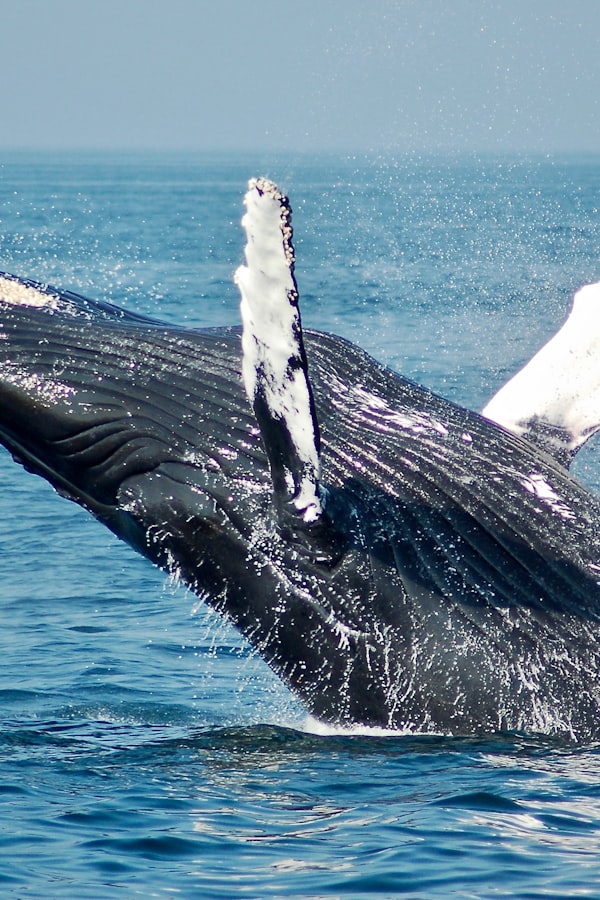
Pectoral Fin Slap: Humpbacks have the longest pectoral fins of any whale - up to 15 feet. They'll lie on their side and slap one or both, repeatedly. The sound carries beautifully across calm water.
Spy Hop: Whale rises vertically out of the water, head first, looks around, sinks back. Mesmerizing every single time.
Peduncle Throw: The dramatic one. The whale throws the rear third of its body, including the tail, sideways out of the water. Often associated with male competition. Looks almost violent.
Age Considerations
This is the question I get most. Answer depends on the kid and the type of watching.
Shore watching, no minimum age. I've held a sleeping baby in a carrier while watching whales breach off McGregor Point and it was one of the most peaceful afternoons of my life. Toddlers might not stand and watch for long, but pair it with a beach or playground stop and you've got a perfect outing.
For boat tours, most operators require kids to be at least one or two years old, some higher. I'd personally wait until three or four - not for safety, but because younger toddlers find two hours on a boat with no room to run frustrating. They also won't have the attention to enjoy what they're seeing.
Five and up is the sweet spot. Old enough to understand what's happening, use binoculars, listen to the naturalist, and remember the day for years. The boys were five and seven on their first boat tour and they still talk about it.
Teenagers may roll their eyes at the idea of two hours of whale watching. They will not roll their eyes when a forty-foot whale surfaces ten yards off the rail. Bring them.
The Seasickness Question
This is the biggest concern parents bring me, and it's legit. Even in the protected Auau Channel, the ocean can roll enough to make sensitive stomachs unhappy. What works for us:
One, take the morning tour. Morning water is almost always calmer than afternoon. This single decision drops the odds of anyone feeling sick by a lot.
Two, medicate ahead of time if your kid is prone to motion sickness. Dramamine for Kids chewable grape tablets, ages two to twelve, given 30-60 minutes before boarding (not after they already feel sick). We pack a box every season.
Three, position smartly. Middle of the boat and the upper deck have less motion than bow or stern. Stay outside, not in any enclosed cabin. Have the kids look at the horizon when they're not actively watching a whale - it helps the inner ear and the eyes agree.
Four, eat something light before. Empty stomach makes seasickness worse, not better. Toast or crackers an hour out is ideal. Skip the heavy greasy breakfast.
Five, pack a lightweight packable rain jacket for each kid. Even when it's not raining, spray and ocean mist will leave them damp. Cold and damp is a fast track to nauseated.
What to Bring
Sun protection. Open water, no shade, two hours. Reef-safe sunscreen liberally before boarding (and yes, they actually do enforcement checks at certain access points around here, the fine is real). A UPF 50+ wide-brim sun hat with a chin strap that actually stays on in the wind. Rash guards for fair-skinned kids.
Protect your phone. You will want photos and video. A waterproof phone pouch lets you shoot without panicking about salt spray. Touchscreen works through it. Lanyard means your phone isn't on the bottom of the channel after the first big breach.
Give the kids their own camera. A waterproof kids' camera keeps them engaged and gives them a sense of ownership. Mine take hundreds of photos every trip, ninety percent are blurry blue, the dozen good ones become heirlooms.
Layers and coverage. Morning ocean air can be cool and spray happens. Light layers that can get wet without ruining the day.
Snacks and water. Some tours have refreshments. I always bring our own water bottles and dry snacks. Hydrated, lightly fed kids stay happier and less seasick.

Teaching Kids About Whale Conservation
One of the best parts of whale watching with kids is the natural slide into conservation. Humpbacks are one of the great comeback stories. Commercial whaling reduced North Pacific humpbacks to a few thousand by the 1970s. The international moratorium and decades of protection brought the population back - peak estimate was around 33,000 in 2012, with current North Pacific estimates around 21,000-26,000. Recent science suggests warming ocean conditions are affecting them now, which is its own important conversation to have with kids.
Hawaii plays an outsized role. The Hawaiian Islands Humpback Whale National Marine Sanctuary, designated by Congress in November 1992, protects the shallow warm water humpbacks need for calving. When you're watching from a boat in the Auau Channel, you're literally inside the sanctuary, and that context enriches everything.
Kids absorb this stuff differently than adults. The boys latched onto the fact that a calf drinks about 100 gallons of milk a day and gains roughly 100 pounds a day in the first weeks. They were fascinated that humpback songs can run for hours, and that all the males in a population sing the same song which slowly evolves over the season. They wanted to know about the barnacles on the heads.
If your kids are old enough, look up Whale Trust Maui. They do excellent research and education work and sometimes run family-friendly events.
The big lesson - that humans nearly destroyed these animals and then chose to protect them - is one of the more hopeful things you can teach your kid. Conservation works. Policy matters. Choices have consequences.
Photography Tips
Shoot video, not just photos. Hitting the peak of a breach with a single shutter press is mostly luck. Continuous video lets you screenshot the best moments later. Plus the audio of your kid screaming with excitement is something you'll want to keep.
Use burst mode. Set burst on your camera or phone and fire continuously when whale activity starts. You'll delete most. The few that land are gold.
Watch for the cues. Whales rarely breach just once. If you see one, keep your camera on that spot - a second or third often follows. Same for spouts; the whale will resurface near the same area.
Best time of day. Mid-morning, 9-11 AM, often gives the best combo of calm water, good light, and active whales.
Best time of season. February. Density is near peak, lots of mom-calf pairs near shore, weather is reliable. March is also great - males get more competitive as the season progresses, which means more surface action.
Protect your gear. Salt spray finds every exposed surface. If you're shooting a real camera, bring a rain cover or at minimum a microfiber cloth and wipe constantly. Phone in the waterproof pouch handles this neatly.
Planning Your Whale Watching Trip
When to Book
Peak Maui tours sell out, especially over the holidays and February school breaks. Book two to three weeks ahead at minimum during those windows. Most operators offer free rebooking if conditions are bad.
What It Costs
Standard two-hour tour on Maui runs about $40-60 per adult and $25-40 per child. Premium operators like Trilogy run higher. PWF runs promos on their site. Booking direct beats third-party.
What to Wear
Layers. Swimsuit or quick-dry as base, rash guard or light long sleeve over, rain jacket on top. Shoes that can get wet with grip - reef walkers, rubber-soled sandals. Skip flip-flops; the trades will take an unsecured hat in seconds, so chin strap is non-negotiable.
Getting There
Staying in Kaanapali or Kapalua? Lahaina Harbor is closest. South Maui (Kihei or Wailea)? Maalaea is more convenient. Both work because the channel is accessible from either direction. Lahaina parking can be brutal in the morning - leave early.
One Last Memory
I want to close with a story because it captures why I push so hard on this for families.
One February morning a few years back, we were on a PWF boat in the channel. We'd already had a good morning - distant spouts, a few tail slaps, a partial breach far to the south. Solid, not spectacular. Then the captain cut the engine and asked everyone to be still.
Below us, a mother and calf were resting at the surface. The mother was enormous, maybe forty-five feet, and the calf was tucked against her side. They were barely moving, just drifting. We floated there for what felt like a long time but was probably five minutes. The only sound was the soft exhalation of the mother breathing - a deep, resonant sigh you felt in your chest as much as you heard.
My older boy, who was seven, whispered, "Mom, I think the baby is sleeping." The naturalist confirmed - yes, humpback calves do rest at the surface while mom watches over them, and the mother had chosen to settle near our quiet boat because she felt safe there.
There are moments in parenting where you realize your kid is forming a memory that will shape who they become. Standing on that boat, watching my son watch that sleeping baby whale, I knew this was one. No screen, no toy, no theme park can compete with what was happening in front of us.
That's what whale watching in Hawaii offers. Not just entertainment, though it's wildly entertaining. Not just education, though your kid will learn more marine biology in two hours than in a school semester. It offers awe. It offers perspective. It offers a shared moment that becomes part of your family's story - the day you all went quiet on the water and a baby whale slept beside the boat.
If you're heading here between December and April, don't miss it. The kids will never forget it. Honestly, neither will you.
Mahalo.
Recommended Products
Occer 12x25 Compact Binoculars with Low Light Vision
Compact waterproof binoculars perfect for whale watching from shore or boat
View on AmazonGKTZ Kids Waterproof Underwater Camera 1080P
Waterproof kids camera for capturing whale watching memories on and off the boat
View on AmazonDramamine Motion Sickness Relief for Kids Chewable Grape
Chewable grape-flavored motion sickness tablets formulated for kids ages 2-12
View on AmazonSwimZip Kids Wide Brim Sun Hat UPF 50+
Wide brim UPF 50+ sun hat with chin strap for kids, blocks 98% of UV rays
View on AmazonHiearcool Universal Waterproof Phone Pouch IPX8 2-Pack
Universal waterproof phone pouch for protecting your phone while whale watching on the water
View on AmazonTherm Kids Lightweight Packable Waterproof Rain Jacket
Lightweight packable waterproof rain jacket for kids, perfect for whale watching boat tours
View on Amazon* Affiliate links: We may earn a commission from purchases made through these links, at no extra cost to you. See our full disclosure.