Surfing Lessons in Hawaii with Teens: A Complete Guide
Everything you need to know about booking surf lessons for your teenagers in Hawaii, from the best beginner breaks to what gear to bring.
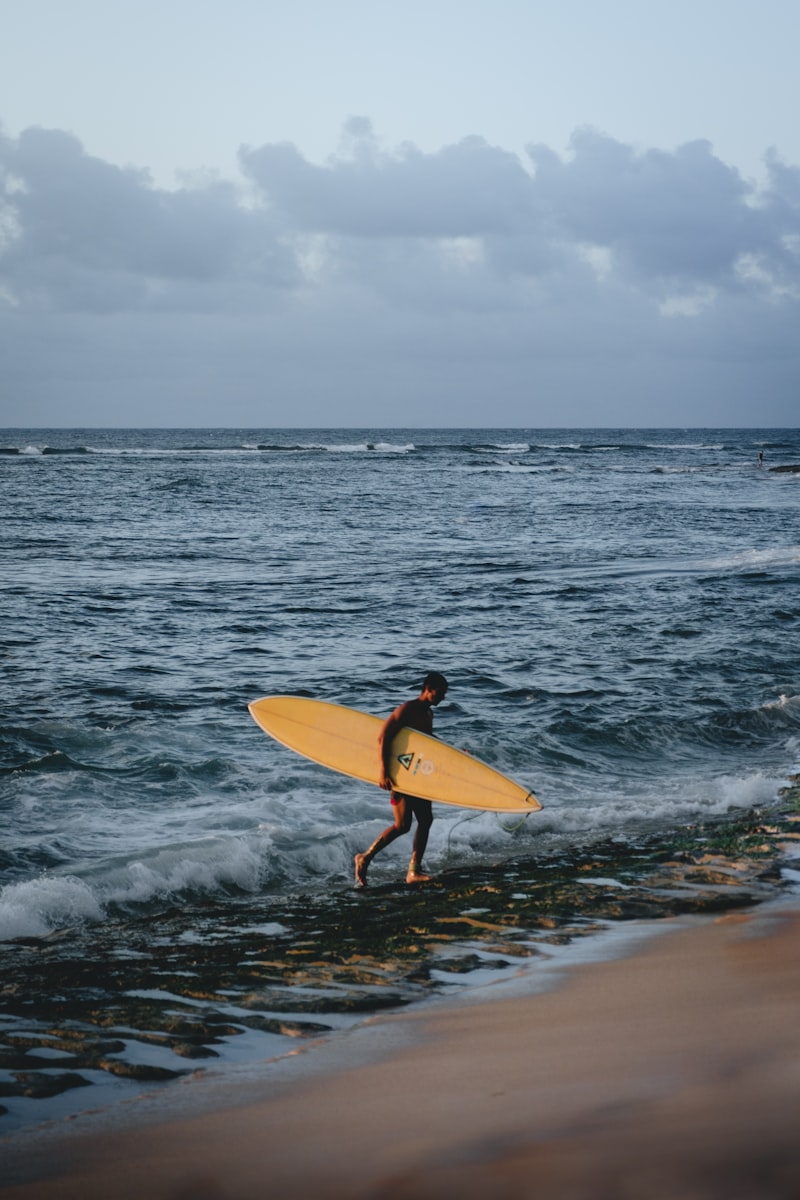
There's something about surfing that speaks directly to the teenage soul. The rush, the challenge, the cool factor, the fact that it looks incredible on camera. If your teen has been begging for surf lessons, Hawaii is the best place in the world to make it happen. Warm water, consistent waves, deep surf culture. This is the original home of the sport, and the instruction here is world-class.
After booking surf lessons on three different islands with our own boys, here is what you need to know about getting your teen on a board in Hawaii.
Best Islands and Breaks for Teen Surf Lessons
Oahu - Waikiki Beach
Waikiki is the undisputed capital of beginner surfing in Hawaii. Long, gentle breaks roll in consistently and give new surfers plenty of time to pop up and ride. Water is warm, bottom is sandy, and there are dozens of surf schools operating right on the beach.
For teens, Waikiki is ideal because the waves are forgiving but still feel like real surfing. Popular schools include Hans Hedemann Surf School, Faith Surf School, and Gone Surfing Hawaii. Brah Kimo, who teaches my kids at Waikiki, will be the first to tell you that Canoes and Queens at the Diamond Head end are where the magic happens for first-timers. Group lessons typically run 90 minutes to two hours and cost between $80 and $150 per person. Private lessons run $150 to $250 and give teens more individual coaching time.
The north end of Waikiki near the Hilton Hawaiian Village tends to be less crowded and has the same mellow waves.
Maui - Lahaina and Kihei
Maui's west and south shores offer excellent beginner conditions. The Breakwall in Lahaina (now reopen and rebuilt after the 2023 fires - book directly with operators that are operational) and Cove Park in Kihei are the go-to spots for surf schools. Maui Surfer Girls runs an excellent program specifically designed for girls and young women, including multi-day surf camps.
Conditions in Kihei are typically calm in the morning with small, clean waves that build through the day. The Cove is a particularly good spot because it has a sandy bottom and the waves break gently near shore. Lessons here run $75 to $175 depending on group size.
Big Island - Kahalu'u Bay and Pine Trees
Kahalu'u Bay in Kona is a popular beginner spot with a reef break that produces small, consistent waves. The bay is also great for snorkeling, so the whole family can be in the water. Pine Trees (Kohanaiki Beach Park) offers a more local vibe with sandy-bottom beach breaks that work well for beginners when conditions are right. Big Island heads up: VOG can roll in from Kilauea and even ground inter-island flights, so check before you fly over for a day-trip lesson.
Kona Boys and Hawaii Lifeguard Surf Instructors are well-regarded schools on the Big Island.
Kauai - Poipu Beach and Hanalei Bay
Poipu Beach on the south shore has a mellow break that works well for beginners, and several operators run lessons there year-round. Hanalei Bay on the north shore is a summer option when the big winter swells die down and the bay turns glassy and beginner-friendly.
Kauai Surf School and Poipu Surf run solid programs for teens.
What to Expect in a Surf Lesson
Most beginner lessons follow a similar structure. The first 15 to 20 minutes are spent on the beach learning the basics - how to lie on the board, how to paddle, how to pop up from prone to standing, and surf etiquette (right of way rules). Then you head into the water with your instructor.
In the water, the instructor will position your teen in the lineup, help them turn around to face shore, and push them into waves at the right moment. A good instructor will have your teen standing within the first 30 minutes of water time. By the end of a two-hour lesson, most teens are catching waves on their own with the instructor just giving verbal coaching.
Boards provided in lessons are large foam longboards, usually 8 to 10 feet. Stable, buoyant, and soft enough that wiping out doesn't hurt. No prior experience necessary.
What to Bring for Surf Lessons
Most surf schools provide the board and a rash guard, but there are several things you should bring along.
A surf poncho changing robe is a game-changer for changing in and out of wet clothes in the parking lot. Your teen can throw it on over their swimsuit after the lesson and stay warm and covered. These have become essential surf gear and your teenager will actually want to wear theirs.
Apply reef-safe sunscreen at least 20 minutes before the lesson. Hawaii requires reef-safe sunscreen by law (Act 104), and most surf schools will ask you to use it. Traditional sunscreens contain chemicals that damage coral reefs, and Hawaii's reefs are already under stress. They will check at some boat checks and at certain beaches.
A UPF 50+ rash guard adds sun protection and prevents board rash on the chest and stomach from paddling. Even if the school provides one, having your own that fits well makes a difference.
Bring a waterproof phone pouch if you want to take photos or video from the water. Some schools offer photo packages, but having your own footage is always nice. For higher quality footage, strap an action camera to the board or to a head mount. Resulting video is incredible and your teen will watch it a hundred times.
After the lesson, quick-drying microfiber towels take up less space in your bag than regular towels and dry fast enough to use again the same day. Pack a waterproof Bluetooth speaker for the post-surf beach hangout. Your teen earned it.
Multi-Day Surf Camps for Teens
If your teenager is serious about learning, a multi-day surf camp accelerates progress dramatically. Instead of one lesson where they're just getting comfortable, three to five days of instruction builds real skill and confidence.
Maui Surfer Girls (ages 10 to 17) runs week-long camps that include daily surfing plus ocean safety, marine biology, and leadership activities. North Shore Surf Girls on Oahu offers similar programs. Costs range from $500 to $1,500 for a week depending on whether it is a day camp or overnight. (My friend Pua sent her oldest two summers in a row and the kid came home a different person.)
For co-ed options, many surf schools offer multi-lesson packages at a discount. Hans Hedemann on Oahu offers three-lesson and five-lesson packages that save about 15% per lesson.
Safety Considerations
Surfing is generally very safe for beginners, especially in lesson settings with experienced instructors. That said, parents should know a few things.
Reef breaks (like Kahalu'u on the Big Island) have a hard bottom, which means falling can result in scrapes. Water shoes or reef booties help, but most beginners stay in deeper water where the reef is not a factor.
Sun exposure is the biggest risk. Two hours in the water on a sunny day in Hawaii will produce a serious sunburn without protection. Apply sunscreen generously, wear a rash guard, and reapply after the lesson if you are staying at the beach.
Currents at some breaks can be strong. Instructors know their spots and will keep your teen in safe areas, but reinforce that they should never surf alone at unfamiliar breaks without local knowledge. And I'm not even kidding about that one - the North Shore in winter is not a place for casual visiting surfers, full stop.
Surf Etiquette Your Teen Should Know
Surfing has its own code of conduct, and respecting it matters - especially in Hawaii, where surf culture runs deep. Instructors cover the basics, but it helps if your teen knows a few things going in.
- The surfer closest to the peak (the breaking part of the wave) has the right of way.
- Do not drop in on someone already riding a wave.
- When paddling out, go around the breaking waves rather than through the lineup.
- Respect locals. Do not crowd popular breaks.
- Always hold onto your board and never let it go loose in the water.
Cost Breakdown
General pricing guide for teen surf lessons across the islands:
- Group lesson (4 to 8 people): $75 to $130 per person for 90 minutes to 2 hours.
- Semi-private lesson (2 to 3 people): $120 to $200 per person.
- Private lesson (1 on 1): $150 to $300 per person.
- Multi-day camp (5 days): $500 to $1,500.
Most schools include board and rash guard rental. Some include photos or video. Tips for instructors are customary. $20 to $40 per instructor is standard for a good lesson.
What Happens After the Lesson
If your teen catches the surf bug - and many do - you can rent boards at most beach shops for $20 to $40 per day. Stick to the same beginner breaks where they took lessons and surf during the same time of day for similar conditions.
Pack an insulated cooler backpack with drinks and snacks for long beach days, and set up a pop-up beach tent for shade between sessions. Surfing is tiring, and your teen will cycle between intense sessions and long stretches of resting, eating, and rewatching their footage.
Surfing in Hawaii isn't just an activity. It is a gateway into understanding Hawaiian culture, ocean awareness, and a sport your teenager can pursue for the rest of their life. The investment in a few good lessons pays off in a way that very few vacation activities can match.
Shoots.