Stand Up Paddleboarding in Hawaii with Kids of All Ages
A complete guide to SUP in Hawaii with kids, from toddlers riding tandem to teenagers racing across the bay, with the best calm-water spots on every island.
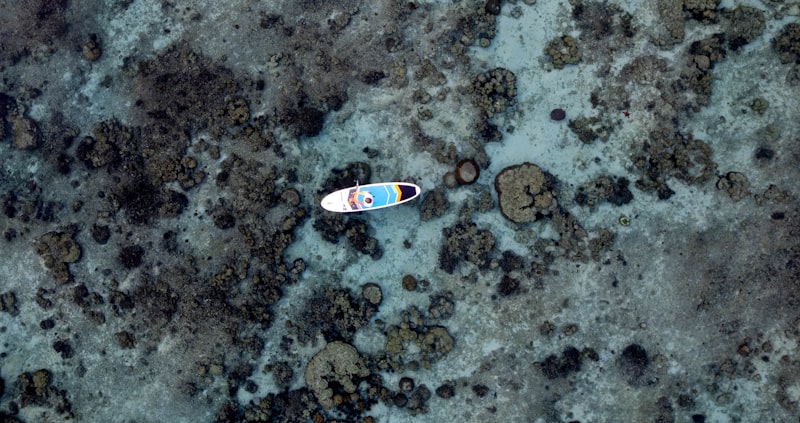
Stand-up paddleboarding in Hawaii is one of those activities that works for literally every age. I've had my toddler sitting between my feet on the board, my eight-year-old paddling alongside me on a calm morning, and my eldest racing ahead trying to prove he is faster than his brother. It is the rare family activity where nobody complains and the setting could not be more beautiful.
Everything you need to know about SUP in Hawaii with kids from toddlers to teens.
Best Calm-Water Spots by Island
Oahu
Kailua Beach is the gold standard for family SUP on Oahu. Water in Kailua Bay is typically calm, shallow near shore, and an absurd shade of turquoise. You can paddle toward the Mokulua Islands on a calm day - about a mile offshore, a great challenge for strong teenage paddlers. Ala Moana Beach Park is another excellent option with its protected reef lagoon that stays flat even when the ocean side has waves.
My BIL's two boys treat SUP like a competitive sport. Last August they raced from Kailua to the Mokes and back and the older one is still salty about losing by a board length.
For toddlers and very young kids, Kahana Bay on the windward side has incredibly still water, especially in the morning hours. And word to the wise: keep snacks in a sealed bag at Kailua. Lanikai chickens have been known to wander down to Kailua and they will absolutely take food out of your hand.
Maui
Makena Landing on Maui's south shore is perfect for SUP because the water is protected and you can paddle right over honu. The boys have literally stopped paddling and just stared down at turtles gliding beneath their boards. Olowalu on the west side is another calm spot with excellent snorkeling. Bring a snorkel mask and hop off the board when you spot something cool.
Big Island
Anaehoomalu Bay (A-Bay) in Waikoloa is a beautiful crescent of calm water ideal for families. Bay is protected, sandy bottom makes it easy to get on and off the board, and there are rental shops right on the beach. Hilo Bay on the east side is another calm option, especially on glassy mornings. One Big Island heads-up: check the VOG before flying inter-island. Vog from Kilauea can ground flights, and that's a real way to lose a paddle day.
Kauai
The Hanalei River on Kauai's north shore is hands down one of the best SUP experiences in all of Hawaii. You paddle upriver through lush green mountains and taro fields. Feels like paddling into a movie set. The river is flat and calm, perfect for even the youngest paddlers. Poipu Beach on the south shore offers ocean paddling in relatively protected waters.
Toddlers and Young Kids: Riding Tandem
Kids under five or six will ride tandem with you on your board. How to make it work:
- Choose a wide, stable board (at least 32 inches wide and 10-11 feet long).
- Have your child sit cross-legged between your feet, facing forward.
- Put them in a UV rashguard and life jacket. Non-negotiable.
- Start on your knees until you both feel stable, then stand up slowly.
- Paddle in the morning when water is calmest.
Most rental shops have boards designed for tandem paddling. Ask for their widest, most stable option and explain you'll have a small child with you. Apply reef-safe sunscreen generously before you get on the water. Hawaii's Act 104 made anything else illegal here, and reapplying on a paddleboard with a toddler is not the adventure you signed up for.
Kids Ages 6-12: Their Own Board
Most kids around 6-8 can start paddling their own board, depending on comfort level in the water. Youth-sized SUP boards are shorter (7-9 feet) and lighter, manageable for smaller arms. Key tips:
- Start in waist-deep water and let them practice getting on and off.
- Teach them to paddle on their knees first, then stand.
- Stay close - paddle alongside them, not ahead.
- Keep sessions to 30-45 minutes at first to avoid fatigue.
- Bring a water bottle with a clip so they can stay hydrated on the board.
Kids this age tend to fall in a lot, and that's completely fine. Warm Hawaiian water makes falling off the board fun rather than miserable. Make sure they are wearing a life jacket and can swim confidently.
Teenagers: Racing, Touring, and SUP Surfing
Teens who are confident swimmers and reasonably coordinated will pick up SUP fast. Once they've got the basics down, how to keep it interesting:
Racing: Set up a course between two landmarks and let them race each other or race you. The boys are fiercely competitive about this and it turns a peaceful paddle into genuine cardio.
Touring: Longer paddles to offshore islands or along the coast give teens a sense of adventure and accomplishment. The Mokulua Islands paddle from Kailua or a coastal tour along Maui's south shore are both excellent. Pack snacks in a waterproof dry bag backpack strapped to the board.
SUP Surfing: If your teen is comfortable on both a surfboard and a paddleboard, SUP surfing combines both skills. Small waves at Canoes in Waikiki or Lahaina-area waves are good learning spots. Brah Kimo, my kids' surf instructor at Waikiki, says SUP surfing is harder than regular surfing for most kids - lesson first, full stop.
Rental vs. Lessons
For first-timers of any age, I strongly recommend at least one lesson. A good 90-minute group lesson runs about $80-$100 per person and covers paddle technique, turning, stopping, and falling safely. After that, most families are comfortable renting on their own.
Rental prices typically run $30-$50 per hour or $75-$120 for a full day. Multi-board discounts are common, so ask. Some shops deliver boards to your beach of choice, which is incredibly convenient with kids.
What to Bring
My SUP packing list for family paddles:
- Reef-safe sunscreen. Apply 20 minutes before you get on the water.
- Rashguards for everyone. Sun protection is critical out on the water.
- Waterproof phone pouches. You'll want photos but phones and saltwater are enemies.
- Water shoes or reef-safe sandals for getting in and out.
- A hat with a chin strap. Regular hats blow off immediately.
- Waterproof Bluetooth speaker clipped to the board for teens who want music.
- Snacks in a dry bag for longer paddles.
Safety First, Always
SUP in Hawaii is generally very safe, but the ocean demands respect. Check conditions before you go: wind reports, wave height, current advisories. Paddle in the morning when conditions are calmest. Always use the board leash so your board does not drift away if you fall off. Never paddle alone with kids. Another adult or a lifeguarded area, period.
If the wind picks up while you are out, get on your knees and paddle back to shore. A standing paddler in wind is basically a sail, and kids can get blown offshore faster than you'd expect. The boys' surf instructor Brah Kimo has had to fish people out who didn't know that rule.
Hawaiian waters are warm, beautiful, and welcoming. Get your family on a paddleboard and explore them from a perspective you cannot get any other way. It will become a tradition. Promise.
Shoots.