Snorkeling in Hawaii with Kids: A Complete Safety and Gear Guide
Everything you need to know about snorkeling with children in Hawaii, from ocean safety basics and the best beginner-friendly spots on each island to essential gear, reef etiquette, and what to do about jellyfish stings.
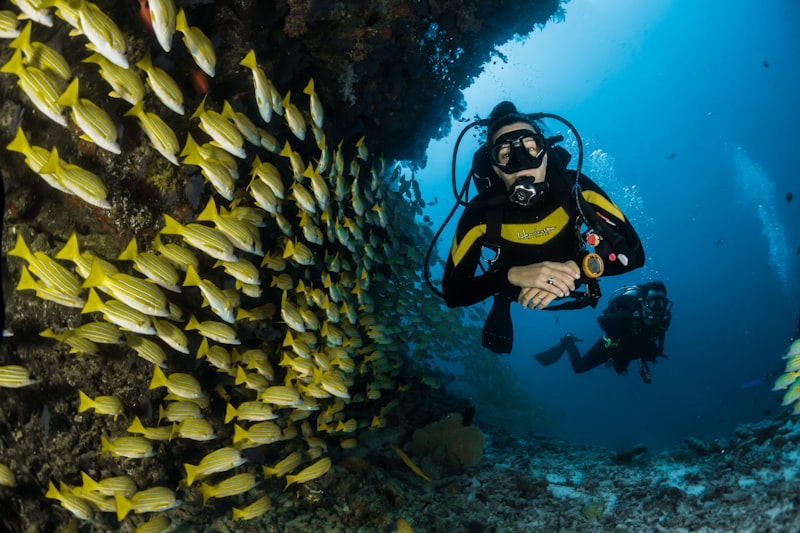
The first time I took my eldest snorkeling at Hanauma Bay, he was five and absolutely terrified of putting his face in the water. Twenty minutes later he was tugging my arm and yelling through his snorkel about the yellow fish he had just spotted. That was years ago and snorkeling has since become our family's favorite thing in the islands. We go at least twice a month, year-round, and I have learned a lot about keeping kids safe, comfortable, and excited in the water.
This is everything I wish someone had handed me before that first outing. Whether you're visiting on vacation or you live here like we do, snorkeling with kids requires preparation, the right gear, and a healthy respect for the ocean.
Ocean Safety Basics Every Family Needs to Know
Before we talk gear or spots, safety. The ocean in Hawaii is stunningly beautiful and it demands respect. The Pacific is not a swimming pool. Conditions change in minutes.
Never Turn Your Back on the Ocean
Number one rule every local learns early. Waves come in sets and a larger-than-expected one can knock you and your kids flat in an instant. Entering or exiting the water, always face the ocean. Standing on rocks near the shoreline, eyes on the water. I have seen tourists get swept off rocks at blowholes and tide pools because they turned around for a photo. Teach your kids before you set foot on the sand.
Understanding Rip Currents
Rip currents are channels of water flowing away from shore. They cause most ocean rescues in Hawaii. They can occur at any beach, even calm-looking ones. Teach your kids to recognize the signs - a channel of choppy or discolored water flowing outward, a gap in the wave pattern, debris moving steadily out to sea. If caught in a rip, do not fight it. Swim parallel to shore until you're out of the current, then swim back in. For young kids who don't have the swim strength, a Stearns Puddle Jumper Kids Life Jacket is non-negotiable. Coast Guard approved, keeps the head above water even if they panic.
Jellyfish and Portuguese Man-of-War
On the south and leeward shores of Oahu, box jellyfish arrive predictably about eight to ten days after a full moon. Lifeguards post warning signs. Heed them. Portuguese man-of-war, technically not jellyfish but just as painful, can wash up on windward beaches at any time. Before any beach day, check the Hawaii Beach Safety website or ask a lifeguard about current conditions. Treatment, below.
Pro tip: always check ocean conditions before you go. The Hawaii Department of Land and Natural Resources posts daily surf and hazard reports. If lifeguards have posted warnings, do not enter the water. No snorkel session is worth a Kaiser ER visit. Castle ER is closer if you're east-side, but you don't want either.

Best Beginner Snorkel Spots by Island
Not all snorkel spots are equal, especially with little ones. Top picks per island, chosen for calm conditions, shallow entry, and abundant marine life.
Oahu: Hanauma Bay Nature Preserve
Hanauma is the gold standard for family snorkeling in Hawaii. Protected marine life conservation area inside a volcanic crater - naturally sheltered, minimal current. Water is shallow near shore, rarely more than a few feet deep in the inner reef, absolutely teeming with fish. Parrotfish, tangs, butterflyfish, wrasses within minutes of wading in.
A few things: reservations are required and tickets release exactly two days in advance at 7 AM Hawaii time on the parks website - they sell out in minutes. Bay is closed Mondays and Tuesdays. Everyone over 13 must watch a short educational video before entering. Steep path down to the beach (a tram runs for those who need it). Get there early - it fills fast and morning offers calmer water and best visibility.
Maui: Kapalua Bay
Kapalua Bay on Maui's west side is a crescent-shaped beach flanked by lava rock points that block most of the swell. Calm, protected, almost lagoon-like. Water is shallow near shore, plenty of fish, and very forgiving for first-timers.
Big Island: Two Step (Pae'a)
South of Kona at Honaunau Bay, entry is a natural lava-rock step that drops into deep clear water. Reef begins right at shore. Honu, spinner dolphins, octopus, dozens of fish species. Calm and clear most mornings. Lava rock is sharp, water shoes are essential. Not for tiny kids - the entry is real - but ages eight and up who are confident swimmers will love it.
Kauai: Lydgate Beach Park
The keiki pond at Lydgate is a rock-walled enclosure built in 1964. Calm, shallow, lifeguards, full facilities, the Kamalani playground steps away. Tiny fish, hermit crabs, urchins. The safest first-snorkel spot in the entire state for under-fives.
My sister's two had their first real snorkel here, the boy was seven and the girl was five. They came up arguing about which one of them saw the most fish, and I'm telling you, that argument lasted three days.
Age Considerations: When Can Kids Start Snorkeling?
Most common question I get from visiting families. Honest answer: depends on the kid. General guidelines from years with my own boys and dozens of their friends.
Ages Two to Four
Toddlers and very young kids generally aren't ready for mask-and-snorkel. Faces too small for even youth-sized masks, and the concept of breathing through a tube while their face is underwater is too abstract. You can absolutely get them excited about ocean life at this age. Calm, shallow areas, look-bucket or viewing box. Wading and splashing with a Stearns Puddle Jumper while you snorkel nearby. The goal at this age is comfort and excitement.
Ages Five to Seven
The sweet spot for introducing snorkeling. Most kids this age can understand the mechanics of breathing through a snorkel and can follow safety instructions. Start in a pool or very calm shallow water. Practice putting their face in and breathing through the snorkel until it feels normal. Don't rush. A kid who panics because water gets in their mask won't want to try again for a long time. A youth snorkel set with a dry-top snorkel (seals when submerged) makes a huge difference. The CTSAYTL Kids Snorkel Set fits ages three to fourteen with anti-leak, anti-fog, panoramic-view mask.
Ages Eight and Up
By this age, most kids are capable and confident if they have practice. They can handle slightly deeper water, strong swimmers can ditch the flotation, and they can start free-diving down a few feet for a closer look. This is also a great age to introduce an underwater camera. Suddenly they are marine biologists. They will spend twice as long in the water.
Flotation Devices
Regardless of age or swim ability, I recommend some flotation for any kid who isn't a strong, confident ocean swimmer. Younger kids - Coast Guard approved life jacket like the Puddle Jumper. Older confident swimmers who want a little extra security - snorkel vest, inflates orally, just enough buoyancy without restricting movement. Never use inflatable water wings or pool noodles in the ocean. Not rated, can slip off or deflate.

The Snorkeling Gear Guide
Gear can make or break the experience, especially for kids. A leaky mask or snorkel that constantly fills will turn an exciting adventure into a meltdown in thirty seconds. What's worth buying versus renting.
Mask and Snorkel: Buy Your Own
This is the one piece of gear where I strongly recommend buying, especially for kids. Rental masks are one-size-fits-most and a mask that doesn't seal will leak constantly. Kids have smaller, narrower faces - they need a youth-specific mask. The CTSAYTL Kids Snorkel Set is our pick. Dry-top snorkel, tempered glass lenses, soft silicone skirt that seals on small faces.
Before the first use, treat the inside of the lenses with Jaws Spit anti-fog spray. New masks fog up terribly out of the box because of manufacturing residue. Some folks use baby shampoo or toothpaste in a pinch, which works, but a real anti-fog lasts longer.
Fins: Rent First, Buy Later
Kids' feet grow fast. Unless you snorkel constantly, renting makes sense. Most snorkel rental shops in Hawaii carry youth sizes. If your kid is old enough for fins, make sure they're short flexible fins, not the long stiff ones meant for scuba - long fins are hard for kids and can cause leg cramps. If you do buy, look for adjustable strap fins that can grow a bit.
Rashguard: Absolutely Buy One
A UPF 50+ rashguard swim shirt is essential. Kids can spend hours floating face down. The backs of legs, neck, and arms are fully exposed to the tropical sun the entire time. I've seen kids with severe burns on the backs of their calves from a single snorkel session. Long-sleeve rashguard eliminates the need for sunscreen on the torso and arms - better for the kid and better for the reef. Also protects from minor scrapes at rocky entry points.
Sunscreen: Reef-Safe Only
Hawaii has banned the sale of sunscreens containing oxybenzone and octinoxate. Anything you buy in Hawaii will comply, but if you're packing from home, check the ingredients. Look for mineral with zinc oxide or titanium dioxide as the active ingredient. Thinksport Kids Safe Mineral SPF 50+ is our pick. Water resistant, reef safe, doesn't sting in the eyes. Apply generously thirty minutes before water and reapply after. And yes, they actually do enforcement spot-checks at certain beach access points - the fine is real.
Other Gear Worth Having
A Hiearcool waterproof phone pouch lets you bring your phone into the water without panic. Lanyard means it stays around your neck. For kids who want their own camera, the PROGRACE Kids waterproof camera handles 100 feet and comes with a 32GB card. Reef shoes are worth packing, especially for rocky entries like Two Step.
Reef Etiquette: Protecting Hawaii's Underwater World
Hawaii's reefs are among the most isolated reef ecosystems on the planet, and they're under serious threat from climate, pollution, and human impact. Teaching your kids proper reef etiquette is essential.
Do Not Touch the Coral
Coral is a living organism. Even a gentle touch can damage it. The oils from human skin disrupt its protective mucus layer, making it vulnerable to disease. Coral grows incredibly slowly, sometimes just a centimeter a year, so damage that takes a second can take decades to recover. Teach your kids to look with their eyes, not their hands. Arms in close, or clasped behind the back while snorkeling over shallow reef.
Do Not Stand on the Reef
Huge one. When kids get tired or nervous, the instinct is to stand. Standing on the reef crushes the coral. Before you get in the water, show them the sandy areas where it's safe to stand and make it clear the rocky colorful areas are off-limits for standing. Another reason flotation matters for younger or less confident swimmers - a buoyant comfortable kid doesn't feel the need to stand.
Reef-Safe Sunscreen Is the Law
Hawaii law prohibits the sale of sunscreens with oxybenzone and octinoxate. As a visitor or resident, make every effort to use sunscreens that are truly reef-safe. Many brands market themselves as reef-friendly while still containing chemicals that harm marine life. Safest bet is mineral with non-nano zinc oxide. Better still, cover up with a rashguard and minimize the amount of sunscreen entering the water.
Keep Your Distance from Marine Life
It's tempting to swim right up to a honu but Hawaiian green sea turtles are protected under state and federal law. Maintain at least 10 feet, and touching or harassing them is a federal offense with fines up to $25,000. Same for Hawaiian monk seals, spinner dolphins, and humpbacks in winter. We are guests in the animals' home. We observe from a respectful distance.
Marine Life You Will Encounter
Green Sea Turtles (Honu)
Probably the most beloved marine animals in Hawaii. Your chances of seeing one are excellent. They graze on algae growing on rocks and coral, so look for them near the reef in areas with green algae growth. Gentle, slow, often surprisingly unbothered by nearby snorkelers. Hanauma Bay, Kapalua, and Two Step are all reliable spots. If one swims toward you, stay still and let it pass. Don't chase.
Humuhumunukunukuapua'a (Reef Triggerfish)
Hawaii's state fish, name longer than the fish. Small, angular, blue-gold-black markings. Kids love learning the pronunciation and spotting one becomes a highlight. Common on most reefs, especially shallow coral heads. Saying humuhumunukunukuapua'a on the car ride to the beach is practically a family tradition.
Spinner Dolphins
Frequently seen in bays along the west coasts of the Big Island, Maui, and Oahu. Named for their acrobatic spinning leaps, often travel in large pods. Seeing them from a boat or shore is incredible - but NOAA guidelines ask that people not swim with spinner dolphins in their resting bays during daytime hours, because that's when they sleep in shallow bays after feeding at night. Observe from a distance and let them rest.
Manta Rays
The Big Island is famous for the manta ray night snorkel off the Kona coast. Mantas with wingspans of twelve feet or more glide in to feed on plankton drawn by lights. Bucket-list experience. I recommend ages eight and up who are comfortable in water at night. Tour operators provide wetsuits and flotation noodles, accessible even for less experienced swimmers.
Other Common Sightings
Yellow tangs, Moorish idols, parrotfish, porcupinefish, moray eels in crevices, octopus camouflaged on rock, occasionally whitetip reef sharks resting on the bottom. None dangerous to snorkelers. Worth prepping the kids so they aren't startled. Show them photos beforehand and turn each sighting into a scavenger hunt. The boys keep a running list of every species they've spotted.
Boat Snorkel Tours vs. Shore Snorkeling
Shore Snorkeling
Free, flexible, your own pace. Leave when the kids get cold or tired. No seasickness. Bring your own snacks and supplies. The spots above are all shore. For families with young kids or new snorkelers, shore is almost always the better call - you control every variable.
Boat Snorkel Tours
Boat tours take you to sites you can't reach from shore, and the marine life is often more abundant because there's less human traffic. Molokini Crater off Maui is the most famous - partially submerged volcanic crater with visibility that can exceed 150 feet. The Na Pali Coast on Kauai and Captain Cook Monument on the Big Island are other popular boat snorkel spots.
Downsides: expensive, typically $100-$200 per person, and many have minimum age requirements of five or six. Seasickness is real, especially on channel crossings or in winter swells. If your kids are prone to motion sickness, dose them with kids' Dramamine at least 30 minutes before departure. Also, once you're on the boat you're committed. If your kid melts down or decides they don't want to snorkel, you're stuck until the boat returns.
My recommendation: start with shore snorkeling on your first trip. If your kids take to it and want to level up, book a boat tour on a later visit or later in the trip after several successful shore sessions.
What to Do About Sea Urchins and Jellyfish Stings
Despite your best precautions, encounters happen. Knowing how to respond fast helps a lot.
Sea Urchin Spines
Sea urchins are the round spiny creatures in rocky crevices and shallow reef areas. Stepping on one is brutal. The spines break off under the skin and can cause swelling and infection if not treated.
Carefully remove any large visible spines with tweezers. Don't try to dig out deeply embedded ones - it can push them in further. Soak the foot in hot water, as hot as the kid can tolerate, for 30 to 90 minutes. Heat helps break down the spine material and reduces pain. Some locals swear by vinegar soaks, which may dissolve the spines over time. If spines remain after a day or two, or if you see redness, swelling, or pus, see a doctor. Best prevention is wearing reef shoes when walking in rocky shallow areas.
Jellyfish Stings
For box jellyfish, the current first aid is to rinse with vinegar for at least 30 seconds to neutralize the nematocysts, then remove tentacles using a credit card or similar flat object to scrape them away. Do not rinse with fresh water - it can cause unfired nematocysts to release more venom. Do not urinate on the sting. That's a myth. After removing tentacles, apply a hot compress or hot water soak for 20 minutes to reduce pain.
Portuguese man-of-war is slightly different. Do not use vinegar - it can actually worsen man-of-war stings. Rinse with salt water, carefully remove tentacles, apply heat. Hydrocortisone cream and oral Benadryl help with itching and swelling.
Either type, seek medical attention if your kid has difficulty breathing, chest pain, severe swelling, nausea, or any sign of allergic reaction. Carry Benadryl in the beach bag. If your kid has a known severe sting allergy, bring an EpiPen.
Important: box jellyfish on Oahu's south shore follow a predictable pattern, arriving 8-10 days after the full moon. Check the calendar posted by the Waikiki Aquarium before any south shore snorkel.
Final Tips From a Hawaii Snorkeling Mom
After years of snorkeling with my kids, the things that actually help:
Go in the morning. Conditions are almost always calmer, visibility is better, and the fish are more active. By afternoon, trades pick up and the water gets choppy and murky.
Practice in a pool first. Don't make their first time in the open ocean. Let them practice the mask and snorkel in a pool or calm shallow bay until breathing through the snorkel is second nature.
Bring fresh water for rinsing. Salt water irritates eyes. Sand gets everywhere. A jug in the car for rinsing gear and faces makes the drive home better.
Rinse gear after every use. Salt water corrodes everything. Rinse masks, snorkels, fins in fresh water and air dry out of direct sun.
Don't force it. If a kid doesn't want to snorkel, don't push. Let them play in the shallows or watch from the rocks. Pressuring a reluctant kid creates a negative association that takes years to undo. The ocean will be there next time.
Keep sessions short for beginners. Thirty to forty-five minutes is plenty for a first or second outing. Kids get cold, tired, and overstimulated. Better to end on a high note with them begging for more than to push until someone is crying.
Hawaii's reefs are a gift. Sharing them with your kids is one of the most rewarding things you can do as a family in the islands. With the right prep, gear, and ocean respect, snorkeling becomes a lifelong love. See you in the water.
Save this guide for later
Shoots.
Recommended Products
CTSAYTL Kids Snorkel Set
View on AmazonThinksport Kids Safe Mineral Sunscreen SPF 50+
View on AmazonStearns Original Puddle Jumper Kids Life Jacket
View on AmazonPROGRACE Kids Waterproof Camera
View on AmazonBoys UPF 50+ Long Sleeve Rashguard Swim Shirt
View on AmazonHiearcool Waterproof Phone Pouch
View on AmazonJaws Spit Anti-Fog Spray for Snorkel Masks
View on Amazon* Affiliate links: We may earn a commission from purchases made through these links, at no extra cost to you. See our full disclosure.