Hawaii on a Budget: 20 Money-Saving Tips from a Local Mom
Think Hawaii has to break the bank? Think again. After years of island living and hosting mainland friends and family, I have gathered 20 tried-and-true tips to help your family experience the magic of Hawaii without draining your savings account.
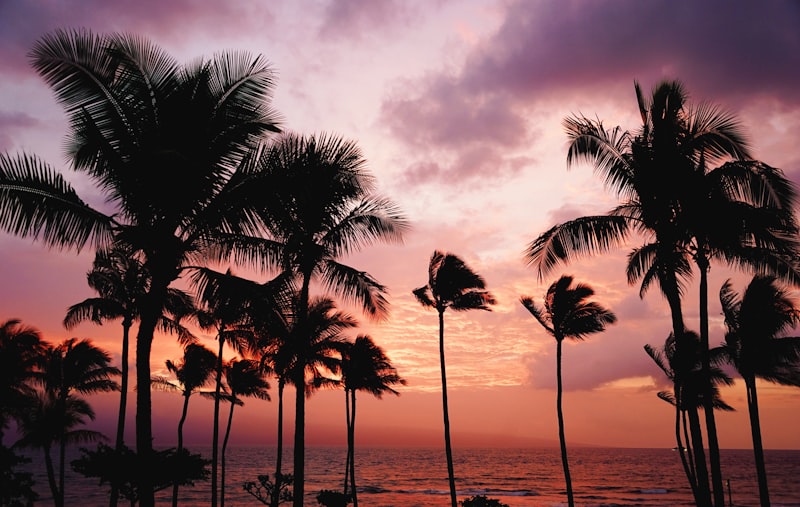
I hear it constantly from friends on the mainland: "We'd love to come to Hawaii, but it's just so expensive." I get it. Resort hotels, helicopter tours, $40 mai tais - the numbers stack up fast. But here's the thing. I've lived on these islands for years and I can tell you the best parts of Hawaii are either free or surprisingly cheap. You just have to know where to look and when to come.
My family doesn't live a resort lifestyle. We live a real one. Beach days with musubi from the cooler, hiking through rainforest before the afternoon rain rolls in, poke from the Foodland deli for dinner. And honestly? Better than anything a $600-a-night resort can sell you.
Here are 20 tips, tested over years of hosting friends and family who all want the islands without the island price tag.
1. Fly During Shoulder Season
The single biggest money-saver. I'm not even kidding. Peak runs mid-December through March and again mid-June through August. Shoulder months - April, May, September, October - are the move. I've seen LA and SF round-trips dip to $250-$350 in those windows.
September and October are my personal favorite months. Water is at its warmest, summer crowds gone, and humpbacks start showing up late October as a bonus.
2. Fly Mid-Week
Tuesday and Wednesday are almost always cheaper than weekend departures. Same route can swing $150 just on day-of-week. Set fare alerts on Google Flights and be patient.
3. Use Points and Miles Strategically
If you're not already collecting miles, start now even if your trip is a year out. Southwest flies to Hawaii from a bunch of West Coast cities and the Companion Pass effectively halves your flight cost for two years. Hawaiian Airlines has decent inter-island redemptions. Travel credit-card sign-ups can score $500-$800 in travel value.
4. Choose a Vacation Rental Over a Hotel
This is where budget-savvy families pull way ahead. Waikiki or Maui resort hotel: $300-$600/night for a room with a mini-fridge if you're lucky. Vacation rental or Airbnb with a full kitchen: $150-$250/night in many areas, less off-peak.
Important Oahu rule: short-term vacation rentals on Oahu are only legal in three resort zones - Waikiki, Ko Olina, and Turtle Bay (formerly the Ritz-Carlton Oahu, Turtle Bay). Outside those, Oahu law requires a 30-day minimum, so any "weekend Airbnb" you see in Kailua, Lanikai, North Shore, or Hawaii Kai is operating illegally and can get cancelled with zero notice. Don't book it. Maui, Kauai, and the Big Island have different rules with more legal options - the math on this tip changes a lot by island.
The real savings come from the kitchen. Make breakfast, pack lunches, and you're saving $50-$100 a day on restaurants for a family of four. My standing advice: get a condo with a kitchen, stock it day one, eat out for dinner only when you genuinely want the restaurant - not because you have no other option.
5. The Costco Strategy
If you have a Costco membership, Hawaii is where it pays for itself ten times over. Standing play for every visiting family I host:
Check Costco Travel for the rental car. They consistently beat every other booking platform here, often by $20-$40/day. They also bundle vacation packages with hotels and flights that are surprisingly competitive. Then hit a Costco near the airport on the way to your rental. Stock up on breakfast, snacks, drinks, sunscreen, sandwich fixings. About $150-$200 to feed your family most of the week.
Local note: Costco Iwilei in Honolulu is the "good one," but Costco Kapolei has the better gas line if you're rolling out from the airport on Oahu. Kahului Costco on Maui is your spot. Stop before you check in. Trust me.
6. The Best Things in Hawaii Are Free
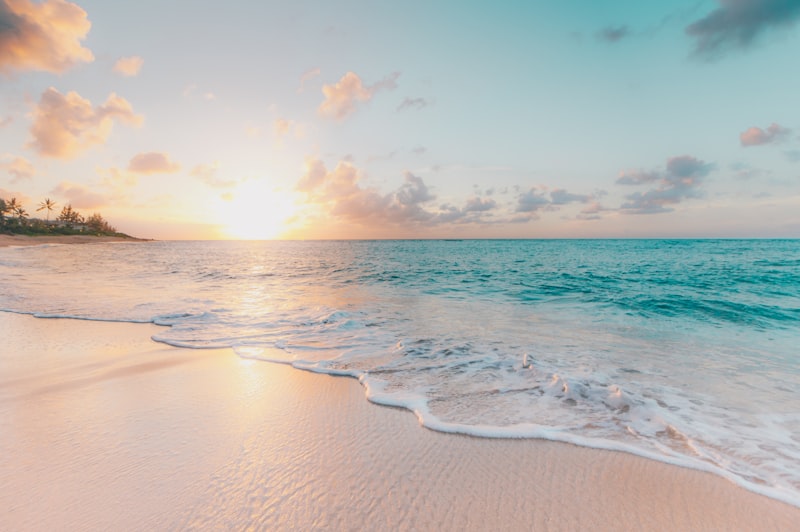
Some visitors forget this. Every single beach in Hawaii is public and free. Every one. There is no such thing as a private beach here, that's state law. That perfect crescent of white sand in the resort brochure? Walk right onto it without spending a dime.
Hiking same. Diamond Head, Pipiwai, the Kalalau Trail lookout, dozens of trails on the Big Island - all free or with minimal parking fees. Toss water in a CamelBak Eddy+, throw snacks in your bag, full day for nothing.
7. Snorkel from Shore
Snorkel boat tours run $80-$150 per person. The best snorkeling in Hawaii is right off the beach. Hanauma Bay on Oahu is famous for a reason. Kapalua Bay on Maui is calm and clear and full of honu. Two Step on the Big Island has crystal visibility.
Buy or borrow a decent mask and snorkel before you fly - rentals here are marked up significantly. Bring a waterproof phone pouch for underwater photos and you've got a world-class day for free.
8. Skip the Resort Restaurants
Resort prices are out of control. $22 hamburger, $18 mai tai, food rarely better than what you find at a local spot for half the money.
Plate Lunches
The plate lunch is a Hawaii institution. Two scoops rice, mac salad, generous protein (kalua pork, chicken katsu, loco moco). $12-$16 and big enough to split between two smaller eaters. Rainbow Drive-In on Oahu is the classic. Every island has its plate lunch hall of fame.
Food Trucks
The North Shore alone has the famous shrimp trucks, acai bowls, fish tacos. $10-$16 a person and the portions are generous.
Grocery Store Poke
Local secret that will change your trip: the poke counter at Foodland (Foodland Pupukea up north is its own debate against Tamura's, don't get me started), Safeway, or Don Q is just as good as a sit-down. A pound of ahi runs $16-$22 these days, with rice from your rental kitchen, that's a phenomenal dinner for a family of four for under $30 total.
9. Car Rental Secrets
Car rentals here can be brutal, especially last-minute or peak season. I've seen weekly hits of $800-plus during busy windows. How to dodge it:
Book early. Two-three months out for shoulder season, four-six for peak. Costco Travel first, then check Discount Hawaii Car Rental, a local broker that often beats the bigger sites. Off-airport rental locations frequently undercut airport rates because they don't pay the concession fees - the shuttle is 15 minutes, the savings can be $100 over a week.
Skip the full-size SUV unless you genuinely need it. A compact handles Hawaii roads fine and the gas savings stack up.
10. Free Hawaiian Culture
Some of the most meaningful experiences here cost nothing. Byodo-In Temple on the windward side is $5 for adults and one of the most peaceful places on the island. Many Waikiki hotels run free hula in the evenings, you don't need to be a guest. The Royal Hawaiian Center in Waikiki has free lei-making classes, ukulele lessons, and hula lessons throughout the week.
On the Big Island, Puuhonua o Honaunau (Place of Refuge) is $20 per vehicle, and the experience of walking through an ancient sanctuary is worth every penny. Lots of community festivals are free and open to visitors, check local calendars.
11. Pack Smart
Everything costs more here. Everything. That bottle of reef-safe sunscreen you grab on the mainland for $10-$12 will run you $20-$28 at an ABC store in Waikiki. And reef-safe is required by Hawaii law (no oxybenzone, no octinoxate) - Maui County and Hawaii County go further, mineral-only. Don't assume your regular sunscreen from home is compliant. Buy reef-safe before you fly and pack it in checked.
Other stuff to bring from home: water sandals for rocky beaches and tide pools (essential, very overpriced in tourist shops), a reusable water bottle, basic first aid, any meds you might need. Packing cubes keep things tight so you've got room to bring stuff from home instead of paying island prices.
12. Hit the Farmer's Markets
Farmer's markets here are an experience and one of the cheapest ways to eat well. Tropical fruit that runs you a fortune on the mainland is downright affordable - $1 for a perfectly ripe apple banana, $3-$5 for a whole pineapple, a dollar for a mango in season.
KCC Farmer's Market in Honolulu (Saturday mornings) is huge and has incredible prepared-food vendors. Hilo Farmer's Market on the Big Island is one of the best in the state, dragon fruit to fresh coconut water to $10 plate lunches. Upcountry Maui has gorgeous markets with local produce and baked goods.
13. The Luau Question
A commercial luau runs $120-$200 per adult and $70-$90 per child. For a family of four, that's $400-$600 for one evening. Worth it? Depends on the trip.
If this is a once-in-a-decade Hawaii visit, one good luau is genuinely memorable, especially for kids. The Old Lahaina Luau on Maui (reopened after the 2023 fire and as good as ever) and the Polynesian Cultural Center on Oahu are widely considered the best.
Watching every dollar? Free or cheap alternatives that give you a taste: free hula at a Waikiki shopping center or hotel, the Polynesian Cultural Center day-only ticket (cheaper than the dinner package), community luaus and church fundraisers (cheaper and far more authentic), or just grab kalua pork and poi from a local market and have your own backyard feast at the rental. My neighbor Auntie Kalei is a kumu hula and will tell you the best luau is always the family one anyway.
14. Choose the Right Island for Your Budget
Best for Budget: The Big Island
The Big Island (Hawaii Island) is consistently the most affordable. Hilo accommodations are cheaper than anywhere else in the state. Volcanoes National Park is worth the trip on its own. The Kona side has affordable condos and great snorkeling. The free activities - lava viewing, black sand beaches, botanical gardens, waterfalls - go on forever. Just check the VOG forecast before you fly inter-island. Kilauea has grounded flights more than once.
Also Good for Budget: Oahu
Oahu seems expensive because of Waikiki but it's actually a tremendous value. TheBus means you can skip a rental car entirely if you stay in town. Dozens of free beaches, hikes, and cultural sites. Food spans $3 spam musubi at 7-Eleven to $14 plate lunches and the North Shore food trucks are some of the best cheap eats in the state.
Most Expensive: Maui and Kauai
Beautiful but consistently pricier on lodging, food, and activities. If they're your dream islands, you can still do them on a budget with these tips - just expect to spend 20-30% more than on the Big Island or Oahu.
15. The Shoulder Season Sweet Spot
September and October are the absolute insider window. Mainland kids are back in school so family travel drops hard. Summer rush is over, holiday rush hasn't started. Airlines and hotels drop prices to fill rooms. Ocean is at its warmest, 80-82 degrees. Leeward weather is dry and warm. Humpbacks start showing up late October.
April and May are also excellent, sitting between winter peak and summer rush. Early May is particularly nice - settled weather, summer rates haven't kicked in yet.
16. Keep Your Phone Charged
You're going to be out all day. Phone is your camera, map, restaurant finder, kid-distraction. Bring an Anker portable charger from home. Don't pay $35 for one at an ABC store. Charge it the night before each adventure day, toss it in the beach bag.
17. Free Parking, Strategically
Hotel and beach parking can add $20-$40 a day. Most beach parks have free lots but the popular ones fill before 9 AM. In Waikiki, Ala Moana Center has free parking and you can walk or bus to the beach. Many trailheads have free roadside parking even when the main lot charges. Use your rental as base, walk or bus when possible.
18. Skip Organized Tours You Can DIY
Guided tours have their place, but tons of Hawaii activities are just as good or better on your own. A "waterfall hike tour" for $89 a person walks you to a waterfall you can hike to for free. A "snorkeling adventure" for $120 takes you to a spot you could drive to and wade in. A "scenic drive tour" for $65 follows a road you can drive yourself.
Where tours genuinely add value: boat trips you can't reach from shore (Na Pali, etc.), guided hikes on private land, anything with specialized gear you don't want to buy or rent piecemeal. For everything else, do your own research.
19. Happy Hours and Early Bird
When you do eat out, time it. A lot of Hawaii restaurants run happy hour 3-5 or 4-6 with seriously cut prices on apps and drinks. Some of the best restaurants on the islands have happy hour menus where you can eat well for $15-$20 instead of $40-plus during regular dinner.
Early bird is common too at family-friendly spots. Dinner at 5 instead of 7 can save 20-30% at certain places. Ask the rental host or check Yelp.
20. The Best Souvenirs Are Free
Before you spend $25 on a made-in-China hula dancer at an ABC store - the best Hawaii souvenirs cost nothing. Empty shells from the beach (only ones with no critters inside, please, and skip protected species). A small jar of sand. Photos and videos. Pressed plumeria from a hike. A handwritten trip journal. The boys treasure their North Shore shell collection more than any store-bought thing.
If you do want gifts, farmers markets and craft fairs have handmade goods at fair prices - locally made soaps, honey, coffee, mac nuts. Actual Hawaii things, not factory things.
Putting It Together: A Sample Budget Week
What a Hawaii week realistically costs for a family of four using these tips:
Shoulder-season flights from the West Coast: about $300/person round trip = $1,200. Vacation rental with kitchen, seven nights at $180: $1,260. Costco rental car for seven days: $350. Costco and farmer's market groceries: $250. Eating out (four dinners, plate lunches and food trucks): $300. Activities (one national park pass, a couple paid attractions): $100. Misc (parking, gas, shave ice for the kids): $150.
Total: roughly $3,600 for a week in Hawaii for a family of four. About $130 per person per day for one of the most beautiful places on earth. Compare to the $8,000-$12,000 typical resort-and-tour package. You see why traveling like a local is the move.
Save this guide for later
Final Thoughts
Hawaii doesn't have to be a once-in-a-lifetime, break-the-bank vacation. With a little planning, some flexibility on travel dates, and a willingness to skip the tourist traps for the local stuff, you get everything that makes these islands magic without the sticker shock.
The Hawaii I love and want to share with every visiting friend is not the one behind the resort gates. It's the quiet beach at sunset with a container of poke and a bag of rice. It's the bamboo forest hike that ends at a waterfall. It's the Saturday farmer's market where my kids try lilikoi for the first time and decide it's the best thing they've ever tasted.
That Hawaii is affordable. That Hawaii is real. That Hawaii is waiting.
Mahalo for reading.
Recommended Products
Sun Bum Original SPF 50 Reef-Safe Sunscreen
View on AmazonKEEN Water Sandals
View on AmazonBagail Packing Cubes
View on AmazonCamelBak Eddy+ Water Bottle
View on AmazonEPICKA Universal Travel Adapter
View on AmazonWaterproof Phone Pouch
View on Amazon* Affiliate links: We may earn a commission from purchases made through these links, at no extra cost to you. See our full disclosure.