Hawaii Gardening Essentials: Growing a Tropical Paradise in Your Backyard
A practical guide to gardening in Hawaii from a mom who has learned through trial and error. Covers microclimates, tropical plants for beginners, fruit trees, herbs, pest management, volcanic soil amendments, composting, raised beds, water-wise techniques, and why native Hawaiian plants deserve a place in every island garden.
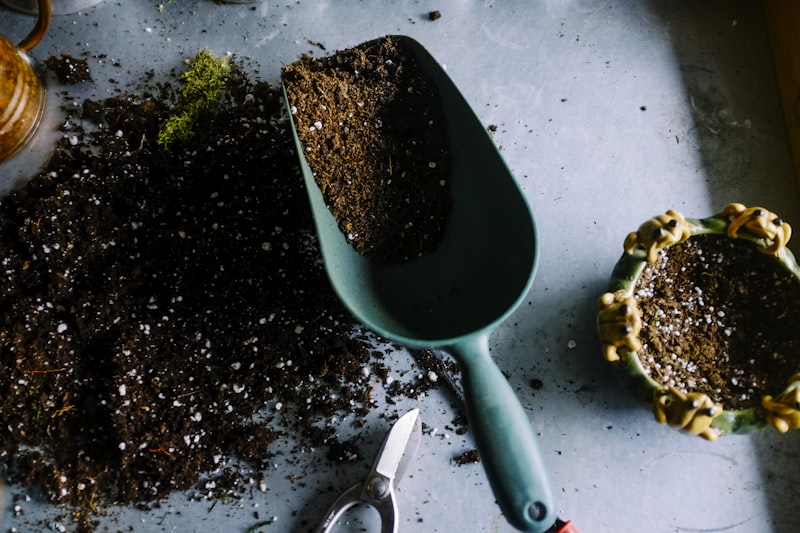
When we first moved to Oahu, I stood in our backyard staring at a patch of red dirt and thought, how on earth am I going to grow anything here? Fast forward a few years, and that same yard is bursting with plumeria, a stubborn mango tree, a banana patch that will not quit, and an herb garden that keeps our kitchen stocked year-round. Getting here took plenty of trial and error, conversations with my neighbor Auntie Kalei (who has been gardening on this block longer than I have been alive), and a willingness to throw out almost everything I thought I knew about gardening on the mainland.
If you're new to gardening in Hawaii, or even if you have been at it a while and feel like something is off, this guide covers what I have learned. No fluff, no generic advice that could apply anywhere. This is specifically about what works in Hawaii, the challenges you will face, and the tools that make the job easier.
Understanding Hawaii's Microclimates and Growing Zones
One of the first things that surprised me about gardening in Hawaii is that the islands are not one uniform tropical climate. Hawaii has an extraordinary range of microclimates packed into relatively small areas. You can drive twenty minutes from a dry, sunny leeward coast and end up in a misty, rain-soaked upland forest. The Big Island alone has eight of the world's thirteen climate zones. Eight. On one island.
Practically: what thrives in Kona may struggle in Hilo, and what grows beautifully at sea level in Kailua might not produce at two thousand feet in Volcano. Before you buy a single plant, spend some time understanding your specific spot. How much rain does your area get? Are you windward or leeward? What's your elevation? Full sun, partial shade, or under a canopy of larger trees?
Most of coastal Hawaii falls into USDA zones 11 through 13, but elevation changes things quickly. Above 1,500 feet, you might be dealing with cooler nights and more moisture, which opens up possibilities for temperate crops but limits some heat-lovers. Talk to your neighbors. Visit a local nursery and tell them exactly where you live. They will steer you in the right direction far better than any generic plant tag from the mainland.
Essential Tropical Plants for Beginners
If you're just starting, there are a handful of plants that are almost foolproof in most parts of Hawaii. The ones I recommend to every new gardener because they reward you quickly and build your confidence.
Plumeria
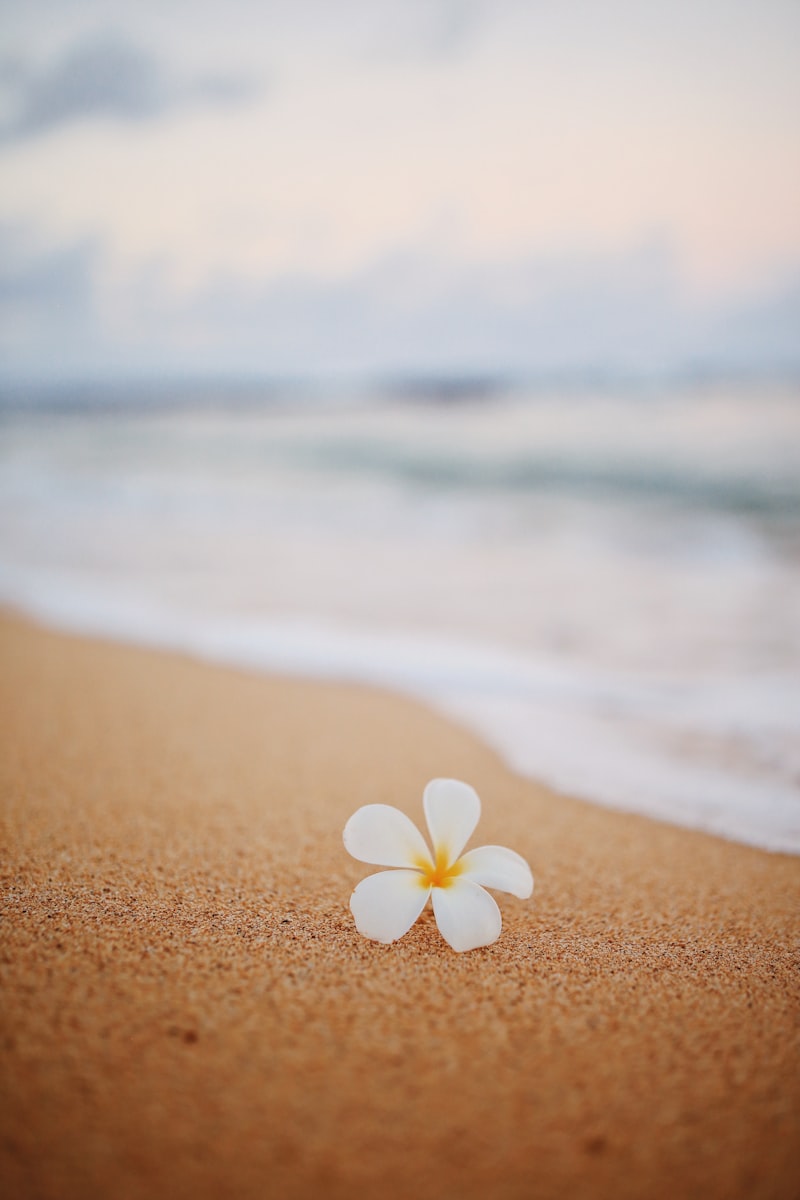
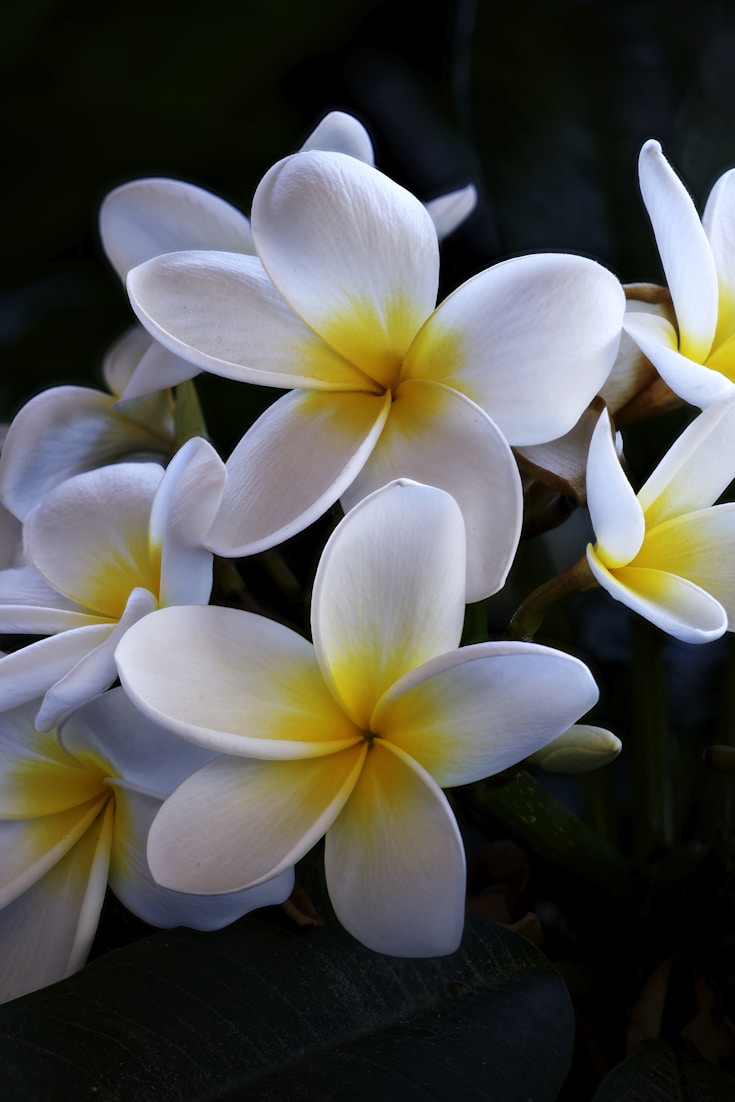
Plumeria is the quintessential Hawaii plant for good reason. Incredibly forgiving. Handles drought, not particularly fussy about soil, rewards you with those fragrant flowers that make the whole yard smell like a lei stand. Start from cuttings, the standard method here. Let the cut end dry and callous for about a week, stick it in well-draining soil, wait. They lose their leaves in winter, which can look alarming if you're not expecting it, but they come roaring back every spring. Biggest tip: don't overwater. They are far more likely to rot from too much water than suffer from too little.
Hibiscus
The state flower and another great choice for beginners. Grows fast, blooms prolifically, comes in a dizzying range of colors. They do attract whiteflies, so keep an eye out and treat early if you spot them. A good pair of Fiskars bypass pruning shears is essential for keeping hibiscus shaped properly. They get leggy if left unpruned. Cut back by about a third in early spring and they reward you with bushier growth and more flowers.
Bird of Paradise
Both the orange Strelitzia and the white giant bird of paradise do beautifully in Hawaii. The orange variety stays compact and works well in garden beds. The white version can reach thirty feet and serves as a dramatic landscape anchor. They like regular water and rich soil but are otherwise low maintenance. Just be aware that the giant white variety gets enormous - give it room.
Ti Plants
Ti plants are deeply rooted in Hawaiian culture, traditionally planted around homes for protection and good luck. From a purely practical standpoint, they're also incredibly easy to grow. Cut a stalk, shove it in the ground, walk away. Comes in shades of green, red, pink, and variegated. Ti plants fill in bare spots quickly and add that lush, tropical look.
Growing Fruit Trees in Hawaii
This is where Hawaii gardening gets really exciting. The range of fruit trees you can grow here is extraordinary, and there is nothing quite like walking outside and picking breakfast off a tree in your yard.
Mango
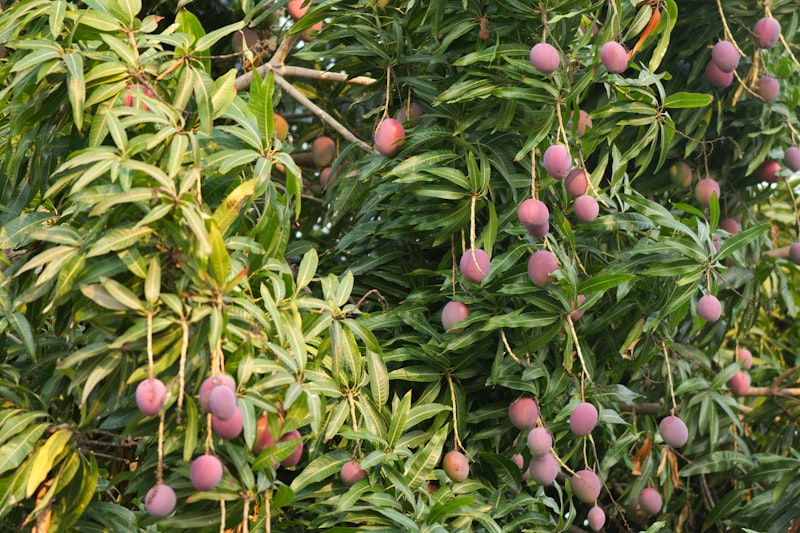
Mango trees are a staple in Hawaii yards for good reason. A mature tree can produce hundreds of pounds of fruit each season. The most common varieties are Hayden, Pirie, and Rapoza, but there are dozens. Mangoes need full sun and good drainage. Young trees need regular watering, established trees are surprisingly drought-tolerant. Biggest challenge is managing the volume during peak season and dealing with mango sap, which can cause a nasty rash in sensitive people. Wear good gardening gloves when harvesting and never stand directly under a ripe mango tree during a windstorm unless you enjoy being pelted with fruit. (The boys think this is hilarious. I do not.)
Papaya
Papayas grow so fast in Hawaii it feels like cheating. Seed to fruit-bearing tree in about nine months. Strawberry papaya and Rainbow papaya are popular varieties. Full sun, well-draining soil, consistent water. The catch: they're susceptible to papaya ringspot virus, and they have relatively short productive lives of about four to five years. Most Hawaii gardeners just keep starting new ones. They also do not handle wind well.
Banana
Bananas are not actually trees but giant herbs, which is a fun fact to share with your kids and absolutely no help when you're trying to manage a banana patch that has decided to take over your yard. Apple bananas and Williams bananas are popular here. They need lots of water, lots of sun, and lots of nutrients. Feed them regularly with a potassium-rich fertilizer. Each pseudostem only fruits once, then it dies back and is replaced by keiki, the baby shoots coming up around the base. Cut down the spent stalks after harvesting to keep things tidy and redirect the plant's energy.
Avocado
Avocado trees do well in many parts of Hawaii, especially at slightly higher elevations where they get a bit of a temperature drop. The Sharwil variety is the gold standard here and fetches premium prices at farmers markets. Avocados need excellent drainage. They absolutely will not tolerate wet feet. If your soil is heavy or compacted, consider a raised planting mound. They can take several years to start bearing fruit, so this is a long game. A mature Sharwil tree is basically a money tree.
Starfruit and Lilikoi
Starfruit trees are beautiful and productive, thriving in lower elevations with full sun. The fruit is refreshing and unique, and a single tree produces more than any family can eat. Lilikoi (passion fruit) is one of Hawaii's great pleasures. The vines grow aggressively and need a strong fence or trellis. Purple lilikoi is the sweeter variety. Yellow is more tart and commonly used for juice. Both spread readily, and you'll often see them growing wild along roadsides. Start with a plant from a nursery for faster fruiting, or grow from seed if you're patient.
Herb Gardens in Hawaii
Growing herbs in Hawaii is both easier and harder than you might expect. The tropical climate is fantastic for some herbs and brutal on others.
Basil thrives here like nowhere I've ever lived. Thai basil, sweet basil, holy basil - they all go wild. You'll have more basil than you know what to do with. Mint also grows aggressively. Plant it in a container unless you want it taking over everything. Lemongrass is practically a weed here. Stick a stalk from the grocery store in the ground and stand back. Green onions, cilantro (in cooler months or at elevation), and chives all do well.
What struggles: rosemary and thyme can be difficult in humid, low-elevation areas. Mediterranean herbs that prefer dry conditions - Hawaii's humidity causes fungal issues. If you're determined, raised beds with very fast-draining soil and full sun with good air circulation. At higher elevations, they do much better. Sage and oregano face similar challenges but can work in drier leeward locations.
Dealing with Hawaii-Specific Pests
Hawaii has some unique pest challenges that mainlanders never have to think about. The big three.
Coqui Frogs
If you live on the Big Island or are visiting frequently, you know about coqui frogs. Tiny tree frogs that produce an incredibly loud mating call at night - nearly ninety decibels. Not directly harmful to garden plants but they wreck sleep and can lower property values. Citric acid spray is the most common treatment. Some gardeners have had success with hot water treatments on infested plants. The real key is vigilance. Check any new plants you bring home, especially from the east side of the Big Island, and inspect soil and leaf litter regularly.
Slugs and Snails
Slugs are a serious problem in Hawaii gardens, especially in wet areas. They devour seedlings overnight and can strip a garden bed in days. Iron phosphate-based slug bait is safe to use around kids and pets and effective. Beer traps work too, though you'll go through a lot of beer. Copper tape around raised beds helps. Hand-picking at night with a flashlight, while not glamorous, is surprisingly effective. Raised garden beds create a physical barrier that makes it harder for slugs to reach your plants.
Little Fire Ants
Little fire ants are an invasive species that have become a major problem, particularly on the Big Island. The sting is painful and can cause welts. They can blind pets over time by stinging their eyes. In the garden, they farm aphids and scale insects, protecting these pests from natural predators and making infestations worse. Test for them by placing a peanut butter-smeared chopstick in your garden for thirty minutes. If you see tiny orange ants swarming it, you have them. Treatment involves a combination of bait stations and direct nest treatment. The Hawaii Department of Agriculture has excellent resources for management plans.
For general pest management, I keep a bottle of Natria organic neem oil spray on hand at all times. Handles aphids, whiteflies, mealybugs, and fungal issues without harsh chemicals, which matters a lot when you have kids running around the garden barefoot.
Soil Amendments for Volcanic Soil
If you're gardening in volcanic soil, you already know it's a unique beast. Fresh lava rock is essentially sterile. Older volcanic soil can be incredibly fertile but often has unusual mineral profiles and can be quite acidic. The red dirt common in many parts of Hawaii is high in iron and aluminum oxides, holds moisture poorly, and can be compacted and sticky when wet.
The single most important thing you can do for volcanic soil is add organic matter. Lots of it. Compost, aged manure, mulch, coir - whatever you can get your hands on. Improves drainage in heavy soils, improves water retention in porous soils, and provides the biological activity that turns dirt into living soil.
Sulfur levels in volcanic soil can be high, which can tie up nutrients and create deficiencies even when the minerals are technically present. A soil test is absolutely worth the small investment. The University of Hawaii College of Tropical Agriculture has an affordable soil testing program. Test first, then amend based on what your soil actually needs rather than guessing.
Many Hawaii gardeners add coral calcium or dolomite lime to raise pH if the soil is too acidic. Greensand provides potassium and trace minerals. Bone meal adds phosphorus. Test first. Adding amendments your soil doesn't need wastes money and can create new problems.
Composting in the Tropics
Composting in Hawaii is like composting on fast-forward. The heat and humidity that can make some aspects of gardening challenging are a composting dream. Material breaks down incredibly fast compared to cooler climates. What takes six months on the mainland can happen in six to eight weeks here.
A good outdoor compost tumbler makes the process even faster by improving aeration and making it easy to turn your compost regularly. The dual-chamber design is ideal because you can have one side actively composting while the other side cures.
The basics still apply. Balance your greens and browns, keep things moist but not soggy, turn regularly. In Hawaii, your green material will include things like coconut husks, palm fronds (chop them small), banana stalks, and whatever excess produce your garden is pumping out. Coffee grounds are everywhere here if you live near coffee farms - excellent addition to compost.
A few Hawaii-specific composting tips: avoid adding meat, dairy, or cooked food. The warmth will attract rats, mongooses, and roaches faster than you can blink. (The mongoose at Manoa Falls look at you like they pay rent there - imagine them in your compost bin.) Keep your compost away from the house. If you're in a rainy area, consider a covered bin or tumbler to prevent waterlogging. And if you notice a strong ammonia smell, you have too many greens. Add more brown material like dried leaves or cardboard to rebalance.
Raised Bed Gardening in Hawaii
Raised beds have become my preferred way to grow vegetables and herbs in Hawaii and I am not alone. Several reasons they work so well.
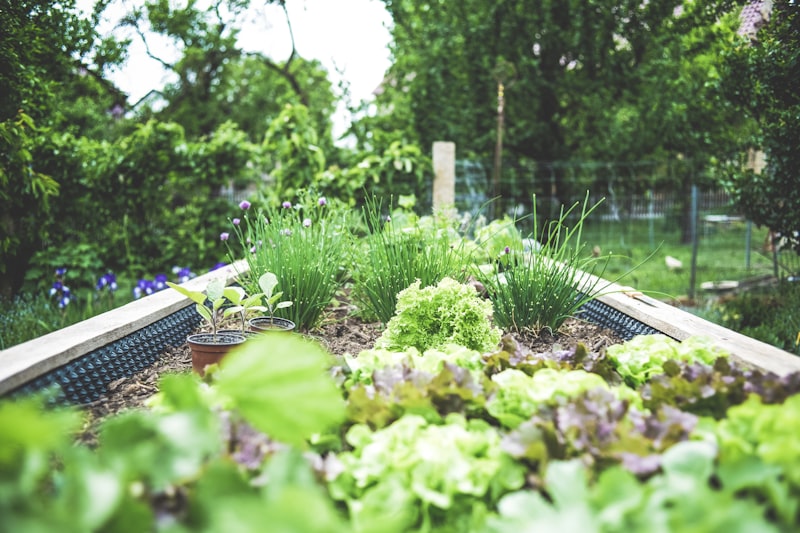
One, you control the soil. Instead of fighting with rocky volcanic ground or heavy clay, you fill your beds with the perfect growing mix. Two, drainage is built in, which is critical in high-rainfall areas where root rot is a constant threat. Three, raised beds warm up faster in the morning, which promotes root growth. Four, they create a physical barrier against slugs and some ground-dwelling pests.
I use galvanized steel raised beds because they hold up well in Hawaii's salt air and humidity. Wood beds can work but tend to rot faster here than on the mainland, even cedar. If you do go with wood, avoid pressure-treated lumber near food plants. For a great starter setup, a galvanized metal raised garden bed in a six-by-three-foot size gives you plenty of growing space without being too large to manage.
For the growing medium, I use a mix of about 40% quality compost, 30% topsoil, and 30% perlite or cinder for drainage. If you can get macadamia nut husk compost locally, it is fantastic. Top-dress with mulch to conserve moisture and regulate soil temperature.
A garden kneeler and seat is worth every penny when you're spending hours tending raised beds. Your knees will thank you, especially as the beds need regular attention during peak growing season.
Water-Wise Gardening
Even though Hawaii is surrounded by ocean and many areas receive plenty of rain, water is a precious resource on the islands. Municipal water costs can be high and drought conditions do occur, particularly on leeward sides. Smart water management is not just environmentally responsible - it saves you real money.
Drip irrigation is the single best investment you can make for your garden's water efficiency. A quality Rain Bird drip irrigation kit delivers water directly to the root zone with minimal waste from evaporation or runoff. Setting one up takes an afternoon and pays for itself almost immediately through water savings and healthier plants. I run mine on a simple battery-operated timer set for early morning watering, which reduces evaporation and fungal issues.
Mulching is the other half of the water conservation equation. A thick layer of mulch, three to four inches, dramatically reduces evaporation, keeps roots cool, suppresses weeds, and adds organic matter as it breaks down. In Hawaii, you often have access to free mulch material. Many tree trimming companies will drop off wood chips for free if you ask. Coconut coir, macadamia nut husks, and sugarcane bagasse are all excellent locally available mulch options.
If you have the space and the inclination, consider installing a rain catchment system. Rainwater is soft, slightly acidic, and free of the chloramine used in municipal water. Many Hawaii homes already have catchment tanks and routing overflow to your garden is a straightforward project. Even a few large rain barrels connected to your downspouts can make a meaningful difference during dry spells.
Native Hawaiian Plants and Why They Matter
This is a topic that deserves more attention than it typically gets in gardening guides. Hawaii is one of the most isolated land masses on earth and its native plants evolved over millions of years in the absence of many of the diseases, insects, and competing species that exist on continents. The result was an extraordinary collection of unique plants found nowhere else in the world.
Today, Hawaii has more endangered plant species than any other state. Habitat loss, invasive species, and development have devastated native plant populations. As gardeners, we have a real opportunity to be part of the solution by incorporating native plants into our landscapes.
Some excellent native plants for home gardens: ohia lehua, which produces beautiful red pom-pom flowers and is the backbone of native Hawaiian forests. At lower elevations, naupaka, a coastal shrub with distinctive half-flowers that's salt-tolerant and makes an excellent hedge. Ilima, the flower of Oahu, produces delicate yellow-orange blooms and grows well as a groundcover or low border plant. Akulikuli (sea purslane) is a native succulent groundcover that handles salt spray and drought beautifully.
For anyone in a wetter area, native ferns like the hapu'u tree fern create dramatic garden focal points and support native insects and birds. Koa trees, if you have the space, are magnificent and deeply significant in Hawaiian culture.
Beyond their ecological importance, native plants are adapted to local conditions. Once established, they typically need less water, fewer soil amendments, and less pest management than imported ornamentals. They also support native pollinators and birds, creating a more balanced garden ecosystem.
When purchasing native plants, look for nurseries that specialize in Hawaiian natives. Organizations like Hui Ku Maoli Ola on Oahu and the Amy B.H. Greenwell Ethnobotanical Garden on the Big Island are wonderful resources. Many communities also hold native plant sales throughout the year. Auntie Kalei has dragged me to a few - the conversations alone are worth the trip.
Putting It All Together
Gardening in Hawaii is unlike gardening anywhere else. The climate allows you to grow an extraordinary range of plants, from tropical fruits to herbs to stunning ornamentals. But the unique challenges of volcanic soil, specific pest pressures, variable microclimates, and environmental responsibility mean you can't just follow generic gardening advice and expect great results.
Start small. Pick a few plants from this guide that excite you and match your specific conditions. Build your soil with compost and organic matter. Set up efficient watering. Learn to identify and manage the pests in your area. And make room for at least a few native plants, because being a gardener in Hawaii means being a steward of one of the most special places on earth.
The reward is worth every bit of effort. There is nothing like stepping into your backyard and being surrounded by the smell of plumeria, picking a ripe mango still warm from the sun, snipping fresh basil for dinner, and knowing that you are growing something beautiful in this incredible place we get to call home.
Save this guide for later
Mahalo.