Haleakala Sunrise with Kids: Is It Worth Waking Up at 2 AM? (Absolutely Yes, and Here Is How)
Everything you need to know about taking kids to watch sunrise above the clouds at Haleakala - from getting reservations to surviving the 2 AM wake-up call and making it magical for every age.
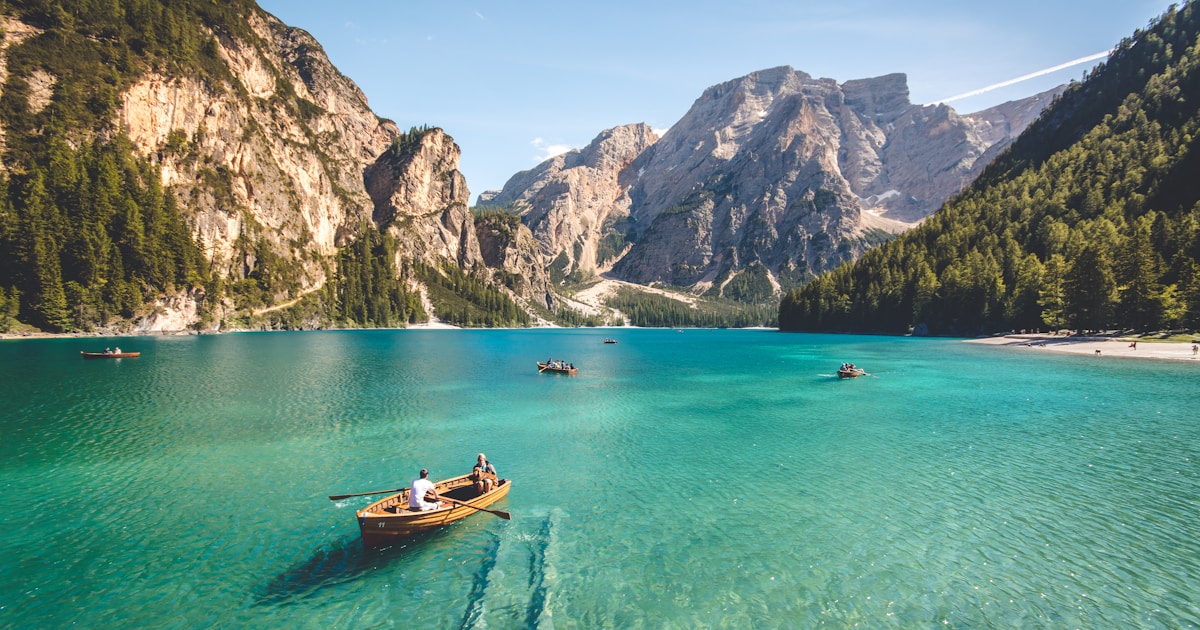
My alarm went off at 2:15 AM and for a solid ten seconds I genuinely considered pretending I had never heard of Haleakala. Then I remembered the reservations I'd stalked for three weeks, the thermos of hot chocolate already prepped, and my kids' faces when I told them we were going to watch the sun rise above the clouds. So I dragged myself out of bed, bundled two sleepy boys into the car, and drove up a volcano in the dark. Three hours later, standing at 10,023 feet with tears running down my face as the sky exploded pink and gold over a sea of clouds, I got it. This is why people fly across the world for this. And yes, your kids can absolutely handle it.
Reservations: The Hardest Part of the Whole Experience
Nobody tells you this until it's too late. You need a reservation to enter the park between 3 AM and 7 AM, and they sell out in minutes on peak dates. Reservations open on recreation.gov exactly 60 days before, at 7 AM Hawaii time. Set the alarm. Have the page loaded. Click the second the date opens. I am not being dramatic.
Cost: $1 per vehicle reservation, plus the $30 park entrance fee. One vehicle, up to 15 people. The entry window is 3 AM to 7 AM - miss it and you're not getting in for sunrise.
Missed your date? Two backups. Cancellations pop up frequently in the days leading up. And there's a smaller batch of last-minute releases 48 hours before each sunrise date, also at 7 AM Hawaii time. Refresh, refresh, refresh.
The 2 AM Wake-Up: Real Talk
This is the part parents stall on, and I get it. Waking kids at 2 AM sounds like a recipe for screaming. Here's what I've learned doing this twice with the kids: kids handle it way better than you think, especially if you frame it as a mission instead of a punishment.
The night before, I let them pick their warmest clothes and lay them out on the chair like they were going on a moon expedition. We called it the "sun chase." They went to bed jacked up about it, which actually meant they fell asleep earlier than usual. When the alarm went off, I carried the younger one to the car in pajamas with layers already on top. He slept the entire drive up. He woke up naturally as we crested into thin air.
From most Maui hotels the drive runs 90 minutes to two hours. You want to be in the summit lot 30-45 minutes before sunrise, so leave the hotel by 3:30 AM at the latest. The road has 29 switchbacks, no guardrails on a few sections, and it's pitch black. Drive slow. Don't be a hero.
What to Wear: This Is Not a Suggestion
This is where mainland visitors get smoked. The summit at sunrise runs 30-40 degrees with wind chill making it feel colder. You are in Hawaii. You packed swimsuits. You now need winter gear. I'm not even kidding.
Layer like you're going skiing. Each kid: base layer (long-sleeve top and leggings or pants), mid layer (warm fleece jacket), wind-blocking outer layer (rain jacket works). Beanie, warm socks, closed-toe shoes. Gloves if you've got them. Toss in hand warmers for everyone - those little packets saved us when the wind kicked up before first light.
Bring a packable blanket per kid. The viewing area has stone walls to lean on but no seats, and standing still in cold wind goes south fast. I wrap my crew in blankets like little burritos. Works every time.
The Sunrise Itself
You'll park in the summit lot and walk about five minutes to the viewing area. Bring headlamps for the kids so they can see their feet in the dark. The sky starts changing 30-45 minutes before official sunrise. First a soft glow on the horizon. Then the oranges and pinks. Then the gold cracks the cloud line and the whole world reboots. The full show runs 45 minutes to an hour from first color to full sun.
Stake out a spot at the main overlook. Older kids can use binoculars to scan the crater - the landscape looks like Mars, all rust-red cinder cones, and you might spot nene (Hawaiian goose - state bird, endangered) or a silversword plant, both endemic to this volcano.
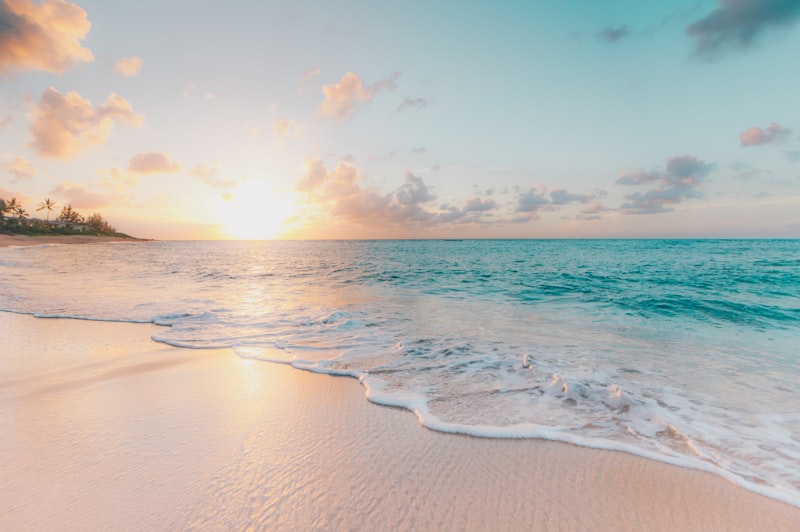
About the cloud layer: most mornings the trade-wind clouds sit around 6,000-8,000 feet. You are above them. The sun rises over a floor of clouds that runs to the horizon and my four kids still talk about it years later. Auntie Kalei told me once that her grandfather called this place "the house of the sun" before any guidebook did, and you understand why standing there.
After Sunrise: Don't Bolt Down
Most people watch the sunrise and immediately stampede to the parking lot. Don't. The post-sunrise light is unreal, and now you can actually see the crater in daylight. Haleakala crater is 7 miles long, 2 miles wide, 2,600 feet deep. Technically it's an erosional depression, not a true crater, but explain that to a six-year-old looking at a moonscape.
If the kids are up for it, the Sliding Sands Trail drops into the crater and the first quarter-mile is an easy, jaw-dropping walk. Just remember everything you walk down you have to walk back up at altitude. Don't push it. Even standing at the rim is plenty.
Driving down, stop at the Haleakala Visitor Center (9,740 feet) for ranger talks and the silversword exhibit. The silversword only grows on Haleakala, lives up to 90 years, then blooms exactly once and dies. Kids find this fascinating and slightly heartbreaking.
Hot Chocolate and Breakfast: The Reward
Fill a good thermos with hot chocolate the night before. Sipping something hot during the show makes the whole thing feel ceremonial instead of just cold. We pack granola bars and clementines too. Nobody wants a hangry meltdown at 10,000 feet.
On the way down, stop in Kula. Kula Lodge has a restaurant with stunning views (now visible). La Provence in Kula bakes serious pastries. Grandma's Coffee House in Keokea is the gem - Maui-grown coffee, homestyle breakfast, casual and family-loose.
The Age Question
Under 2: Skip it. They won't remember, the cold is brutal on babies, and the altitude is rough on tiny humans. Do a daytime visit or a sunset.
Ages 2-4: Doable but you have to plan. They'll sleep the drive and wake up cold and confused. Have layers ready and keep expectations low. If they melt down, retreat to the car.
Ages 5-8: The sweet spot. Old enough to be awed, young enough to think 2 AM is the coolest thing ever. The "secret mission" frame works best at this age.
Ages 9+: They will remember this for the rest of their lives. Hand them a camera or a journal. My older boy wrote about it for a school essay and his teacher said it was the most vivid piece of writing in the class.
Alternative: Sunset at Haleakala
If 2 AM is genuinely not happening, sunset at Haleakala is also stunning - no reservation, no pre-dawn driving, no winter-gear negotiations with a cranky toddler. You still get the above-the-clouds thing, the crater, the colors. Trade-off is that afternoon clouds tend to be thicker, so the sunset is sometimes less dramatic, and the lot fills on weekends.
Arrive at least an hour before sundown for parking and a good vantage point. Layer up - it drops fast once the sun goes. And stay for the stars. Haleakala is one of the best stargazing spots on earth, and on a clear night the Milky Way is genuinely flooring.
One More Warning
VOG. Volcanic smog from Kilauea on the Big Island can drift across the channel and dim the colors at sunrise. Check the VOG forecast the day before. And if you're flying inter-island that morning - don't, fly the day before. VOG has grounded flights.
Final Thoughts
Is Haleakala sunrise worth it with kids? Every bleary-eyed, hand-warmer-clutching, hot-chocolate-on-the-jacket minute. This isn't just a vacation memory - it's the kind of thing that becomes a family story. The morning we woke up in the dark, drove up a volcano, and watched the world turn back on. The boys rank it above Disney. Honestly, so do I.
Save this guide for later
Mahalo.
Recommended Products
Columbia Kids Fleece Jacket
Warm fleece essential for freezing Haleakala summit temperatures
View on AmazonCelestron Kids Binoculars
Kid-friendly binoculars for spotting craters and clouds below
View on Amazon* Affiliate links: We may earn a commission from purchases made through these links, at no extra cost to you. See our full disclosure.