Growing Plumeria in Hawaii: A Beginner's Guide to the Lei Flower
Everything you need to know about growing plumeria in Hawaii, from choosing varieties and planting cuttings to soil, sun, water, fertilizer, common problems, making leis, and container gardening on your lanai.
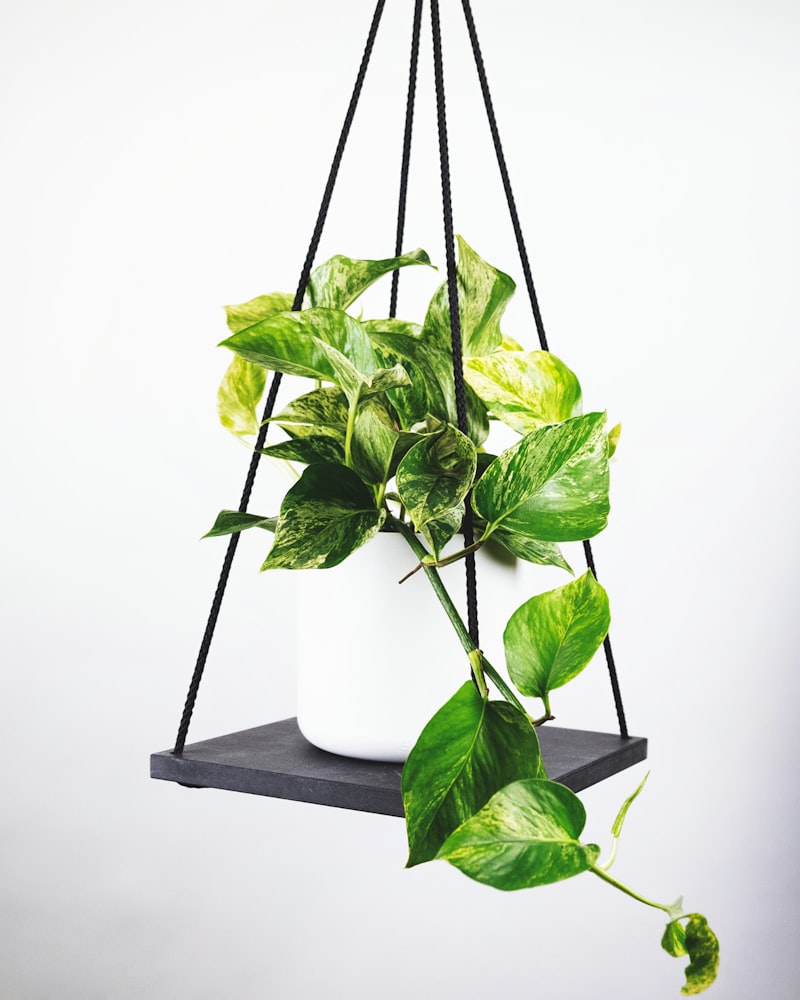
There's something about the smell of plumeria drifting through a warm Hawaiian evening that stops you cold. If you've ever visited the islands and wondered how to bring that scent home to your own yard, join the club. Plumeria (also called frangipani) is the flower most people picture when they think Hawaii, and for good reason. It's the heart and soul of the lei tradition, and growing it yourself is one of the most rewarding things you can do as a Hawaii gardener.
I've been growing plumeria in our yard for years and I want to share what I've learned. Acres of land or a tiny lanai with room for a pot, there is a plumeria with your name on it.
Why Plumeria Is the Quintessential Hawaii Flower
Walk through any neighborhood here and you'll see plumeria everywhere - spilling over fences, lining driveways, dropping creamy petals on the sidewalk. These trees have been part of island culture for well over a century, brought here from Central America and the Caribbean. They thrived immediately and quickly became inseparable from the lei tradition.
What makes plumeria special is the combo of beauty and scent. Each flower is a small masterpiece of overlapping petals - white, yellow, pink, red, orange. And the smell is its own thing. Sweet, citrusy, slightly spicy, every variety has its own perfume. No wonder it's the most popular flower for leis here.
Beyond the looks, plumeria are remarkably low-maintenance once established. Drought-tolerant. Rarely need pruning. They reward you with hundreds of flowers through the warm months. For a busy mom juggling kids and a yard, that kind of plant is gold.
Popular Plumeria Varieties to Grow
Choosing varieties is half the fun. Hundreds of cultivars out there. A few favorites that do beautifully in Hawaii.
Celadine
Want the classic Hawaiian plumeria experience? Celadine. The bright golden-yellow you see absolutely everywhere on the islands. Buttery yellow with a white edge, strong sweet fragrance that carries on the breeze. Vigorous grower, generous bloomer, often clusters of flowers spring through fall. Most common variety for single-strand yellow leis. The one I always recommend for beginners.
Singapore (Obtusa)
The Singapore plumeria is a bit different. Rounded glossy evergreen leaves instead of the typical long pointed deciduous foliage. Pure white flowers with a small yellow center, delicate sweet scent. The Singapore keeps its leaves year-round in our climate, so the tree stays attractive even when other plumeria varieties go bare in winter. If you want a plumeria that looks lush twelve months a year, this is your pick.
Common (Rubra)
Plumeria rubra is the species behind most of the colorful hybrids you'll find at nurseries and plant sales. The classic form has pink and yellow flowers with that signature sweet fragrance. Can grow large over time - twenty feet or more - so give them room. Rubra varieties are the backbone of most plumeria collections and the parent of hundreds of named cultivars.
Rainbow Varieties
This is where it gets exciting. Rainbow plumeria show multiple colors in a single bloom - pink edges fading to yellow centers, orange petals blushing into deep rose. Names to know: Lurline, Nebels Rainbow, Aztec Gold. Showstoppers. Stunning in a mixed lei. Fragrance varies by cultivar but many rainbow types have a strong fruity perfume that is just divine.
Planting Plumeria: Cuttings vs. Established Plants
Two main ways to start: planting from cuttings or buying an established plant. Both work well.
Growing from Cuttings
The traditional and most affordable way. A cutting is a branch that's been removed from a mature tree, allowed to dry and callus for a week or two, then planted. Widely available at plant swaps, farmers markets, and online. Easy to share with friends, which is why plumeria cuttings are basically the unofficial currency of Hawaii gardeners. My neighbor Auntie Kalei has a tree she swears she started from a single cutting that her grandmother gave her decades ago.
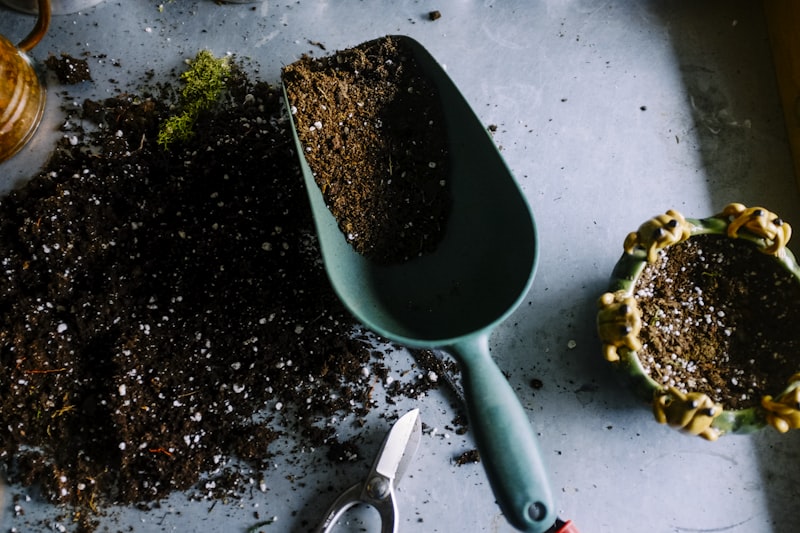
To plant a cutting, let the cut end dry in shade for seven to fourteen days until it forms a hard callus. Then plant about three inches deep in Harris cactus and succulent potting mix or a similar fast-draining mix. Water lightly. Place in a warm, sunny spot. Be patient - cuttings can take several weeks to root and you may not see leaves for a month or more. Once they take off, they grow quickly.
Buying Established Plants
Want flowers sooner? Buy a rooted plant from a nursery. Established plants may bloom in their first season; cuttings often take a year or two. Nursery plants are also the way to go if you want a specific named variety - you see what you're getting. You'll pay more than for a cutting but the head start is worth it for many gardeners.
Soil Requirements: Drainage Is Everything
If there is one thing I cannot stress enough, it's drainage. Plumeria roots cannot sit in waterlogged soil. Soggy means root rot, faster than almost anything else. Root rot is the number one killer of plumeria.
In the ground, plumeria does best in loose sandy or rocky soil. If you have heavy clay, amend it generously with perlite, pumice, or coarse sand before planting. Raised beds work beautifully because you can control the mix completely.
Containers, skip the regular potting soil. Use a cactus and succulent mix, or make your own blend - one part potting soil, one part perlite, one part coarse bark. Water flows through quickly, roots never stay wet. Your plumeria will thank you with strong growth and a flush of blooms.
Sun Needs: Give Them All You've Got
Plumeria are sun lovers. Minimum six hours of direct sun a day to bloom well. More is better. Eight to ten hours of full sun produces the most flowers and strongest growth.
In Hawaii, that usually means south or west side of the property where exposure is greatest. Avoid shade from buildings or large trees. If your plumeria isn't blooming, the number one cause is almost always not enough sun. Move it to a sunnier spot and watch the difference.
For container plumeria, the nice thing is you can chase the sun as the seasons shift. Sunniest lanai or patio. They'll be happy.
Watering: The Art of Knowing When to Stop
Plumeria have a natural cycle that makes watering pretty straightforward once you understand it. Warm growing season - April through October roughly - it's actively growing and blooming. This is when it needs regular water. Deep soak once or twice a week depending on your soil and rainfall, let the soil dry out between waterings.
Then something interesting happens. As days get shorter and cooler in late fall, most varieties (except Singapore) will drop their leaves and go dormant. Completely normal. During dormancy - November through March roughly - cut way back on water. In-ground trees, basically stop watering and let winter rains handle it. Potted plants, just enough to keep branches from shriveling, maybe once every two to three weeks.
The biggest mistake new plumeria growers make is overwatering during dormancy. A leafless plumeria in winter does not need much water. Too much moisture when the tree is sleeping is a recipe for root rot.
Fertilizing: Feed Those Blooms
Plumeria are hungry plants during the growing season and the right fertilizer makes a huge difference in how many flowers you get. The key: high phosphorus (the middle number on the NPK label). Phosphorus drives blooming.
I use Exotica Tropicals plumeria fertilizer formulated for plumeria and tropicals. Slow-release, feeds for months, so you don't have to remember.
Start fertilizing in early spring when you see new leaves emerging and continue through the growing season. Stop in fall as the tree prepares for dormancy. Feeding a dormant plumeria isn't helpful and can actually cause weak leggy growth that's vulnerable to cold damage.
General rule: fertilize once a month during the growing season with a balanced or high-phosphorus formula. Some growers also give plumeria a dose of bone meal or superphosphate at the start of the season for an extra bloom boost.
Common Problems and How to Handle Them
Plumeria are tough but they have a few common issues.
Plumeria Rust
The most widespread plumeria problem in Hawaii. Fungal disease that shows up as orange powdery spots on the undersides of leaves. Tops develop yellow spots. In bad cases, leaves drop early. Plumeria rust rarely kills a tree but it looks terrible and weakens the plant over time.
Manage it by removing and disposing of fallen leaves immediately - do not compost them. Improve air circulation between plants. You can also spray with Bonide Captain Jack's neem oil ready-to-use spray, which works as a fungicide, insecticide, and miticide. Apply in the early morning or evening to avoid leaf burn.
Whiteflies
Tiny white flying insects cluster on the undersides of leaves and suck plant sap, leaving sticky honeydew. Heavy infestations weaken your plumeria and cause sooty mold. Neem oil spray is effective. You can also blast them with a strong hose spray. For stubborn infestations, beneficial insects like ladybugs or lacewings.
Root Rot
As mentioned, root rot is the most serious threat and it's almost always overwatering or poor drainage. Signs: soft mushy stems at the base, a foul smell, sudden wilting despite wet soil. Catch it early and you can sometimes save the tree by cutting away the rotted portions with clean Fiskars bypass pruning shears, letting cuts dry a few days, and replanting in fresh, well-draining soil. Prevention beats treatment - get the drainage right from the start.
Making Leis at Home with Your Plumeria
Growing your own plumeria means making your own leis at home and there's something so special about that. Birthday, graduation, school event, just-because-it's-Tuesday - a homemade plumeria lei is a gift straight from the yard.
How to make a simple single-strand lei. About fifty to sixty fresh plumeria flowers, a lei needle (long, thick needle, about twelve inches), some string or dental floss.
Pick flowers in the morning when they're freshly open and most fragrant. Thread your needle with the string, leave a good tail at the end for tying. Pierce each flower through the center, back to front (stem end to face), and slide it down the string. Continue until the strand is about forty inches long, tie the ends together securely.
A few tips: mix colors for a rainbow. Alternate the direction of the flowers - some facing left, some facing right - for a fuller look. And work quickly. Plumeria flowers are delicate and start to brown once picked. A fresh lei lasts one to two days if you keep it in the fridge when you're not wearing it.
Making leis with my kids is one of my favorite Saturday-morning things. They learn the culture, they get connected to the yard, and the result is something they actually use. The first time my eldest gave a teacher a lei he made himself, that teacher cried. Real talk.
Container Growing for Small Spaces
No yard? No problem. Plumeria grow surprisingly well in containers, which makes them perfect for apartments, condos, or anyone with a small lanai. Container has its perks - you control the soil, you can move the plant to chase the sun, you can pull it under cover in heavy rain.
Pick a container at least twelve inches in diameter with drainage holes. A 12-inch ceramic plant pot with drainage hole and saucer works beautifully and looks great on a lanai. Whatever pot you pick, holes in the bottom are non-negotiable.
Fill with a fast-draining mix. Plant your cutting or small tree. Place it in the sunniest spot you have. Container plumeria need more frequent watering than in-ground trees in summer because pots dry out faster. Check every few days and water when the top two inches feel dry.
Container plumeria stay smaller than in-ground trees, which is actually a bonus in small spaces. You can keep them pruned to a manageable size and still get plenty of fragrant flowers. Just fertilize regularly during the growing season - nutrients wash out of containers faster.
Final Thoughts
Growing plumeria in Hawaii is one of those gardening experiences that just feels right. The trees connect you to the land, the culture, and the people around you through the lei tradition. Planting your first cutting or adding another to a growing collection, every tree adds fragrance to your little corner of paradise.
Start with one tree. Sun, drainage, patience. Before you know it you'll be picking armloads of flowers, stringing leis on your lanai, and wondering why you didn't start sooner. That's the magic of plumeria - once you grow your first one you will never want to stop.
Happy growing, mamas. Get out there and plant something beautiful.
Save this guide for later
Mahalo.