Greek Festival, Okinawan Festival, and Other Cultural Festivals on Oahu Worth Going to with Kids
Beyond luaus, Oahu has incredible cultural festivals - Greek, Okinawan, Filipino, Korean, Scottish - that locals attend for the food and music. A mom's guide to the best ones with kids.
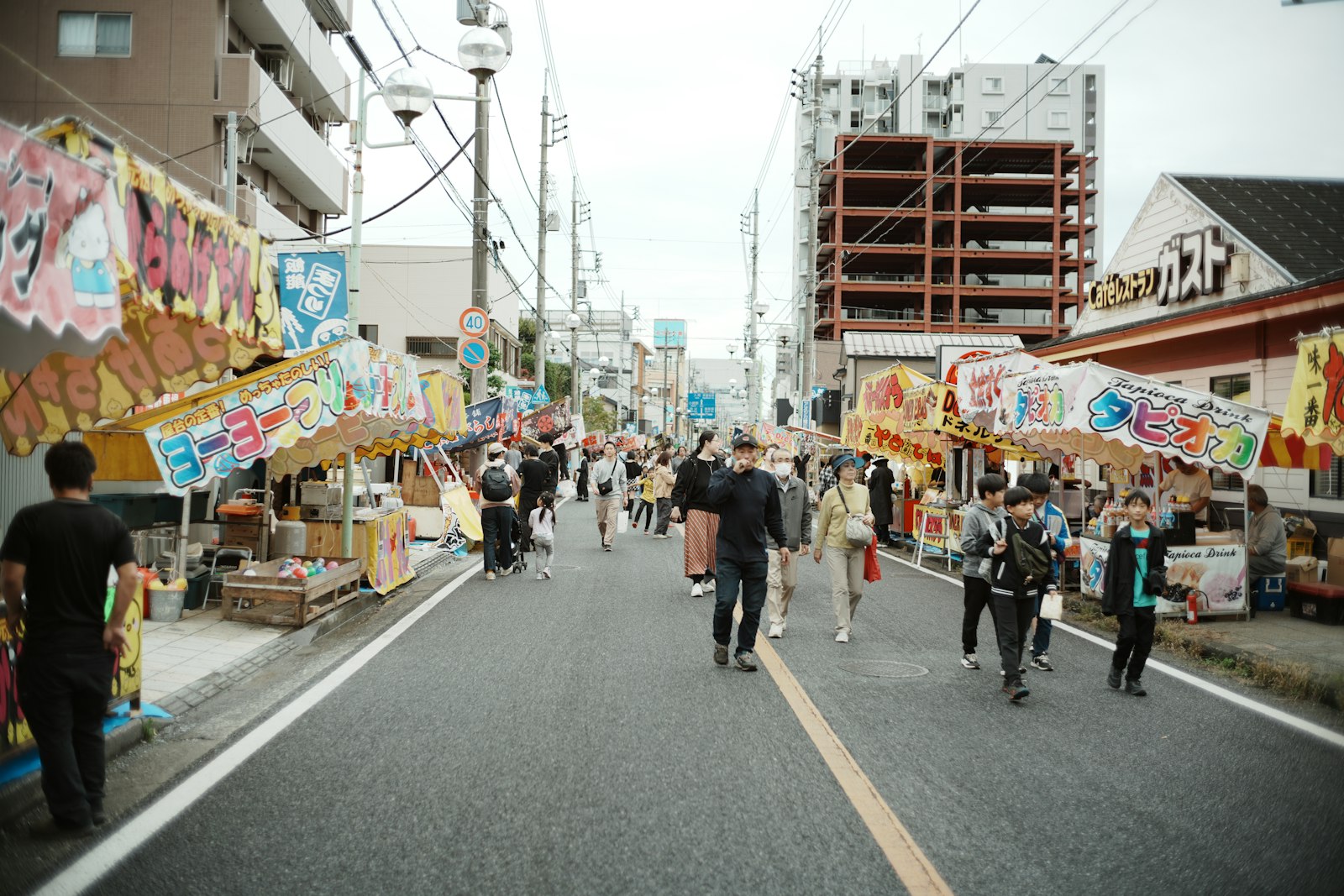
Hawaii is one of the most ethnically mixed states in the country, and our cultural festival calendar shows it. Past the luaus and the obviously-Hawaiian stuff, Oahu has a steady year-round rotation of ethnic festivals that locals actually attend - for the food, the music, the cousins running into cousins. Most are free or cheap. All of them are family-friendly. And they are a real window into how mixed-plate this place is.
Auntie Kalei (my neighbor, kumu hula) calls these "the real calendar." I'll tell you what - she is not wrong.
The Calendar (Roughly)
- March: Honolulu Festival (Japan and Asia-Pacific - we have a separate post on this one)
- March/April: Cherry Blossom Festival
- April: Filipino Fiesta and Parade
- May/June: Pan-Pacific Festival, Korean Festival
- August: Greek Festival (last weekend)
- August/September: Okinawan Festival
- October: Hawaii Food and Wine Festival
- November: Hawaii International Film Festival
Below, the three big ones that we hit every year - Greek, Okinawan, Filipino - in detail.
Greek Festival of Hawaii
The Event
The Greek Festival of Hawaii happens August 27-28, 2026, at McCoy Pavilion at Ala Moana Beach Park. Hosted by Saints Constantine and Helen Greek Orthodox Cathedral of the Pacific, it has been running 35-plus years. And I'm not even kidding when I say this is the closest thing to a Greek village festival you will get in the middle of the Pacific. The food is cooked by the church community. The music is live. The dancing is participatory. Nobody is playing dress-up.
What to Expect
Food is the main event. Souvlaki, gyros, moussaka, spanakopita, baklava, loukoumades (Greek doughnut holes drowned in honey), and Greek wine for the grownups. Dance demonstrations and lessons go all afternoon, plus a small market with imported Greek goods - olive oil, feta, sweets - and live music.
McCoy Pavilion is an open-air covered structure on the lawn at Ala Moana Beach Park, so partial shade plus grass to spread out on. The boys run between food rounds. Always.
Family Logistics
Free admission. Food is a la carte (typical plate $10-18). Bring cash, though most booths take cards. Park at the Ala Moana Center structure (free) and walk over.
The festival runs noon to 9 p.m. both days. Mid-afternoon Saturday is peak energy - and peak food line. Saturday lunch, 11 a.m. to 1 p.m., is the mom-and-kids window. Shorter lines, milder noise, and you can actually find shade to sit in.
What to bring: reef-safe sunscreen (because they DO check at some beaches if you wander over after), kids sun hats, a picnic blanket for the lawn, water bottles, and napkins. Greek food is good and messy.
Tips with Kids
Picky eaters do fine on souvlaki on a stick (basically grilled chicken or pork) and loukoumades for dessert. Adventurous eaters have a field day. The dancers wave kids onto the floor for the simpler circle dances and most kids 5 and up will go for it. Mine did once they saw the loukoumades line.
Okinawan Festival
The Event
The Okinawan Festival is September 5-6, 2026, at the Hawaii Convention Center (modified format this year because of ongoing renovations). Hosted by the Hawaii United Okinawa Association, this is the largest Okinawan culture event outside Okinawa itself. 50,000 people over the weekend. It is huge.
What to Expect
The Okinawan community here is big, multi-generational, and tight, and the festival reflects that. Okinawan food (Okinawa soba, andagi - sweet doughnut holes, taco rice, champuru, andadog - hot dogs in andagi batter), traditional dance and music on multiple stages, taiko drumming, karate demos (Okinawa is the birthplace of karate), bon dance at the end of each day, and a craft fair with imported goods.
Bonus: the 7th Okinawan FEASTival runs September 7-21, 2026. Restaurants across Honolulu serve Okinawan menu items the two weeks after. Worth chasing if you fall in love with the food. I did. Pua and I went back to three of them.
Family Logistics
Admission is usually a small donation ($5-10) or free with one. Food is bought with festival tickets at booths. Cash or card.
The Convention Center is air-conditioned, accessible, has clean bathrooms, and is stroller-friendly. Massive advantage if you have a toddler or a baby. Park at the Convention Center structure (paid) or walk from a Waikiki hotel - 10 to 15 minutes.
The bon dance at the end of each day (around 6 p.m.) is the heart of it. Everyone forms concentric circles around a central yagura (drum tower) and dances together. Kids are explicitly invited. Even shy ones tend to join after watching for a few minutes.
Tips with Kids
Andagi is the gateway food. Sweet doughnut hole, kids inhale them, couple dollars a stick. Champuru (a stir-fry) is also kid-friendly. Karate demos hypnotize elementary-age kids and often include child-friendly moments. Origami and calligraphy tables give them something to make and bring home.
Filipino Fiesta and Parade
The Event
Filipino Fiesta happens annually in spring (typically April or May) at Kapiolani Park, with a Saturday parade up Kalakaua Avenue and a weekend festival at the park. Hosted by the Filipino Community Center and various Filipino-American groups, it celebrates Hawaii's huge and culturally significant Filipino community.
What to Expect
The parade is the headline. Traditional dress, regional cultural groups, music, floats representing different provinces. The festival at Kapiolani Park has Filipino food (lumpia, pancit, lechon, halo-halo for dessert), live music, and cultural performances. Usually a Miss Filipinas pageant element and various exhibitions.
Family Logistics
Free admission to both the parade and the park festival. Food is a la carte. Park at Honolulu Zoo lots or near the Kapiolani Bandstand, or walk from Waikiki.
April/May weather is hot - sunscreen, hats, water are mandatory. Food booths sell out by mid-afternoon Saturday so plan to eat between 11 a.m. and 2 p.m. Sis Lehua learned this the hard way the year we showed up at 3.
Tips with Kids
Lumpia (Filipino fried spring rolls) and pancit (noodles) are universal kid wins. Halo-halo is a colorful shaved ice dessert with sweet beans, fruit, and ice cream. Kids find it amazing to look at and reasonable to eat. The cultural performances often include children's dance groups, which visiting kids love to watch.
What All These Festivals Have in Common (and Why They Beat a Tourist Luau)
Tourist luaus are fine. They are designed for tourists. The Greek, Okinawan, and Filipino festivals are designed for the local community. The food is what locals eat. The music is what local families dance to. The kids running around are local kids. The aunties behind the food counters are real aunties making their family recipes. Cultural authenticity is way higher, prices are 10x lower, and your kids see Hawaii as it actually is - not the airport postcard version.
If you have the choice between a $200-per-person commercial luau and any of these, take the festival. Spend the saved $800 on a real Hawaii adventure - a snorkel trip, a helicopter tour, or just an extra night at the beach.
What to Bring (Universal Cultural Festival Kit)
- Reef-safe mineral sunscreen
- Kids sun hat with chin strap (and adult hats)
- Insulated water bottles - one per person
- Sand-proof picnic blanket for outdoor venues
- Folding stadium seat with back support for parade viewing
- Cash plus a card
- Wet wipes and napkins
- A small backpack for crafts and snacks
- Camera or phone with extra battery
How to Plan a Hawaii Visit Around These Festivals
If you have flexibility on when to come, planning around a cultural festival weekend gives the trip a built-in anchor. A few combinations that work especially well:
- Mid-March: Honolulu Festival weekend (with the Nagaoka fireworks finale)
- Late August: Greek Festival
- Early September: Okinawan Festival
- Late September: Aloha Festivals Floral Parade (the big Hawaiian one)
One cultural festival plus standard Hawaii beach time plus a hike or two is a richer trip than just sitting on the sand for a week. The boys still talk about the bon dance from two summers ago. They cannot tell you which beach we went to that same week.
One Last Thing
To find the next ethnic festival on Oahu's calendar, the Honolulu Star-Advertiser community calendar and the City and County of Honolulu Department of Parks and Recreation event listings are the most reliable. Plenty of smaller community festivals (Korean, Vietnamese, Hawaiian Civic Club events) get only local press but are wonderful with kids. Show up, bring cash, eat what the family next to you recommends.
Shoots.
Recommended Products
Sun Bum Mineral SPF 50 Sunscreen Travel Size
Travel-size mineral sunscreen for the high-altitude Utah sun. Works on grown-up faces and toddler cheeks alike.
View on AmazonFimibuke Kids Insulated Water Bottle 18oz 2-Pack
Leak-proof stainless steel kids water bottle with straw - keeps drinks cold for hours and survives the dropping that comes with toddlers.
View on AmazonSwimZip Wide Brim Sun Hat UPF 50+ for Kids
Wide-brim UPF 50+ kids sun hat with chin strap. The single most-used item on every Mediterranean trip we have ever taken.
View on AmazonSPORT BEATS Stadium Seat with Back Support and Cushion
Padded folding stadium seat with back support and shoulder strap - the only thing that lets you sit on a parade curb or beach grass for three hours without your back giving out.
View on AmazonCompact Picnic Blanket Sand-Proof Beach Mat
Lightweight picnic blanket for outdoor luau seating, beach days, and grass shows
View on Amazon* Affiliate links: We may earn a commission from purchases made through these links, at no extra cost to you. See our full disclosure.