Big Island with Kids: Volcanoes, Waterfalls, and Black Sand Beaches
From glowing volcanic craters to black sand beaches where sea turtles bask in the sun, the Big Island of Hawaii offers families an adventure like nowhere else. Here is a local mom's complete guide to exploring volcanoes, waterfalls, manta rays, and more with kids.
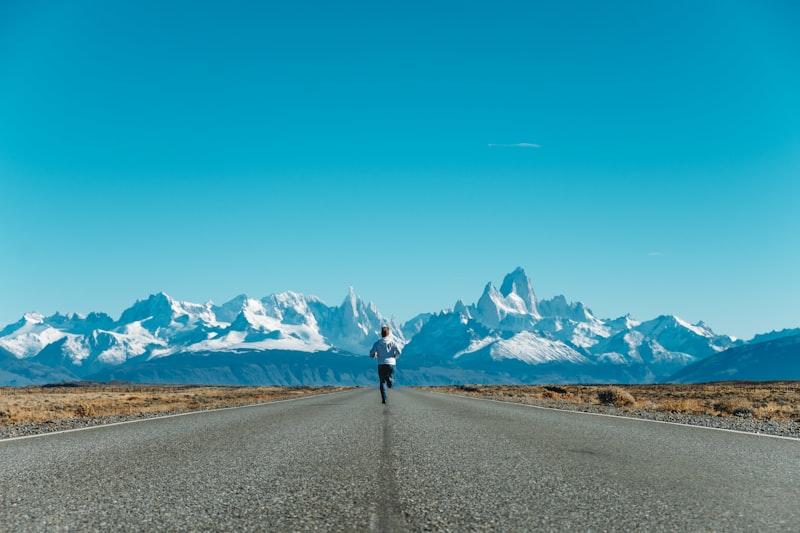
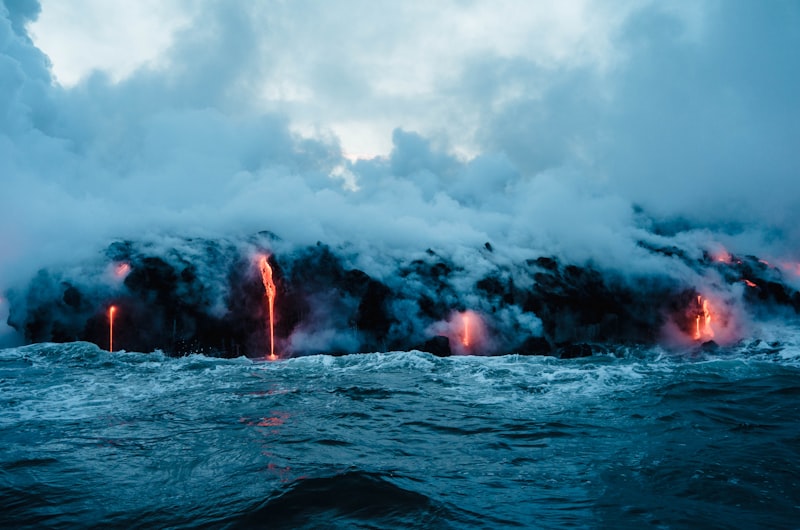
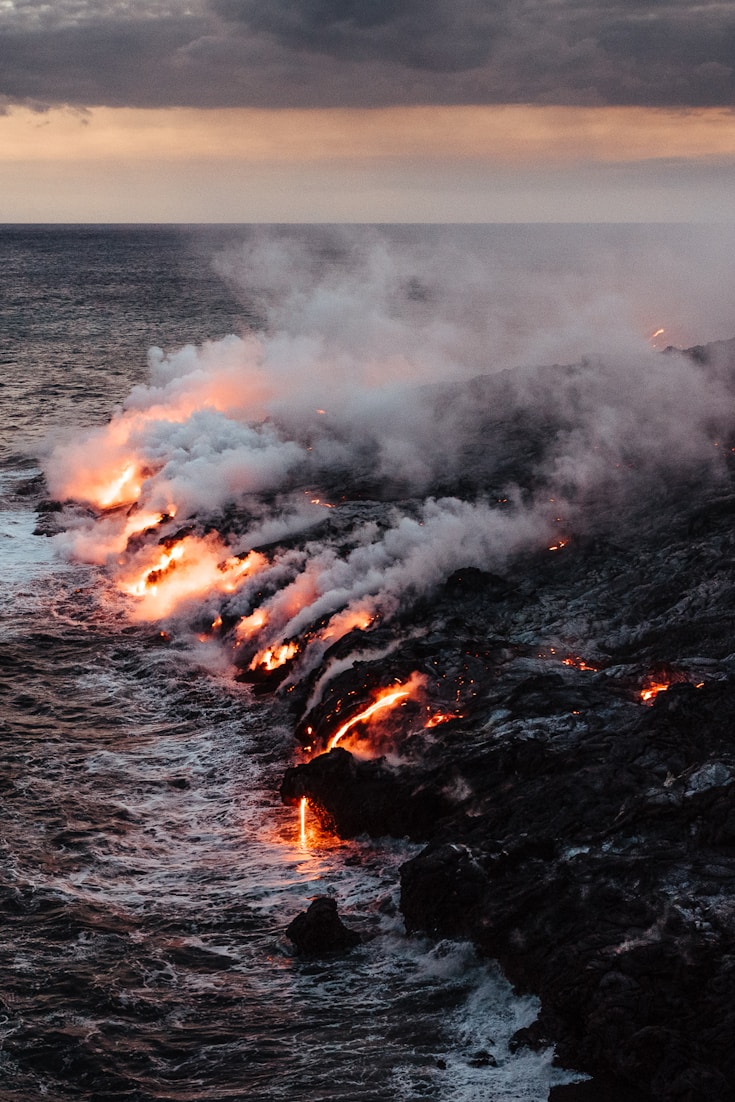
The Big Island of Hawaii is the kind of place that makes your kids believe the earth is alive. Because here it truly is. Lava flows reshape the coastline. Steam rises from cracks in the ground. Black sand beaches glitter under the tropical sun. After years of exploring this island with my kids, I can tell you there's no better destination for families who want adventure without the cookie-cutter resort experience.
At nearly 4,030 square miles, the Big Island is larger than all the other Hawaiian islands combined. You're not seeing everything in a long weekend. With some planning and a willingness to drive, you can give your kids an experience they will never forget. What I've learned about doing the Big Island with kids.
Hawaii Volcanoes National Park with Kids
This is the crown jewel of the Big Island and honestly one of the most spectacular national parks in the entire country. Hawaii Volcanoes National Park sits on the southeastern side near Hilo and it should be at the very top of your itinerary.
Kilauea Caldera and the Visitor Center
Start at the Kilauea Visitor Center, where the rangers are incredibly patient with kids and offer Junior Ranger booklets that keep them engaged. The overlook at the caldera is breathtaking. Depending on volcanic activity, you may see steam vents, sulfur deposits, and the vast crater that has been reshaping itself for decades. The boys stood at that overlook completely silent for the first time in their lives. That alone was worth the trip.
The Steam Vents area is a short walk from the visitor center and gives kids a tangible, visceral understanding that the earth beneath their feet is hot and active. Bring a kids' thermos filled with hot chocolate for the cooler elevation and let them hold their hands over the steam. It's safe and supervised but it feels wonderfully wild.
One thing locals learn quick: check the VOG forecast before you go. Volcanic smog from Kilauea can dim everything and has grounded inter-island flights more than once. A vog day at the park is still cool but you won't get the views you flew here for.
Chain of Craters Road
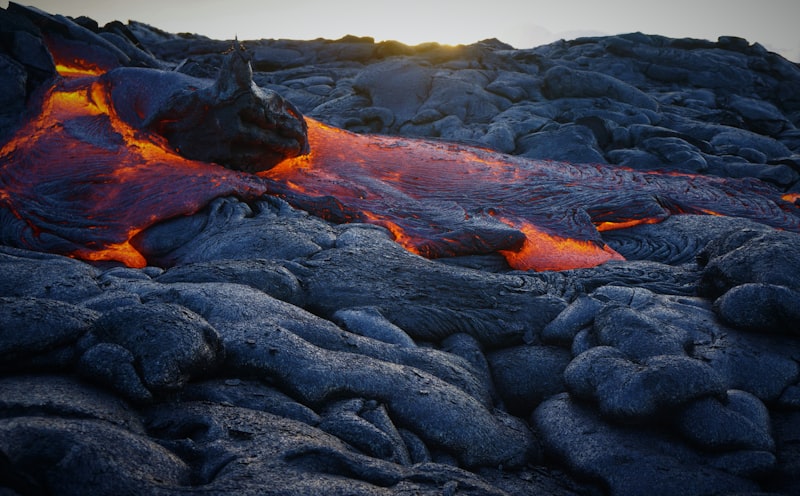
This winding road descends from the park summit all the way down to the coast, dropping about 3,700 feet over 19 miles. Along the way you pass ancient lava flows in every shade of black and brown, petroglyphs, and sea arches. Several pullouts where you can get out, stretch your legs, and walk on solidified lava with the kids.
The Pu'u Loa Petroglyphs trail is about a mile round trip on a boardwalk over the lava field, and kids are fascinated by the ancient Hawaiian carvings. Bring plenty of water and Thinkbaby sunscreen because there is absolutely no shade out on the lava fields. The sun reflects off the dark rock and you will burn faster than you expect. (And yes, they actually do reef-safe enforcement spot-checks at certain beach access points - the fine is real - so use the right stuff.)
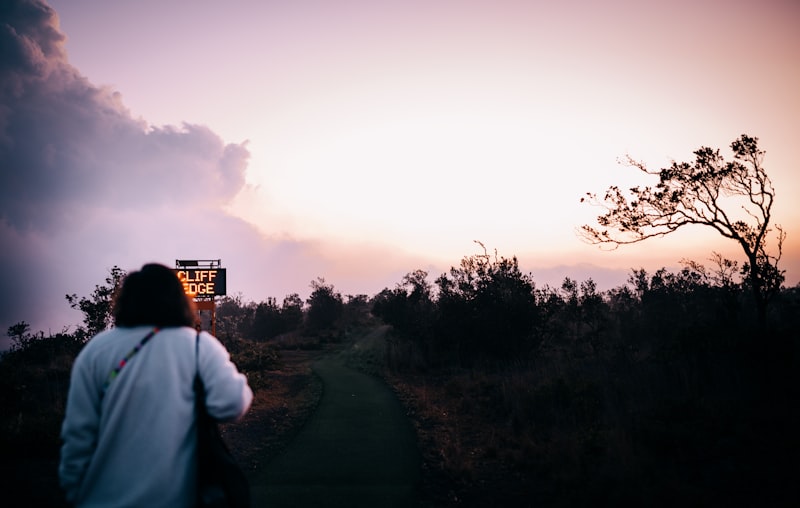
At the end of the road, the Holei Sea Arch is dramatic and worth the drive. Keep a firm hand on small children near the cliff edges. The barriers are minimal and the drop is real.
Nahuku (Thurston Lava Tube)
If your kids love caves, they're going to lose their minds at Nahuku, formerly called Thurston Lava Tube. This 500-year-old tunnel was carved by flowing lava and is now a walkable cave surrounded by lush rainforest. The tube is lit and paved, accessible for strollers and small children. The younger boy walked through it holding my hand and giggling the entire time.
The surrounding rainforest loop trail is gorgeous and filled with native birds. Arrive early, especially during peak season, because the small parking lot fills up fast. Early morning, you might have the tube almost to yourselves.
Tip from a local mom: the park elevation is about 4,000 feet, so temperatures are 10-15 degrees cooler than the coast. Pack layers for the kids and yourself. I always keep kids' rain boots in the car because afternoon showers are common up here, and the trails around the lava tube can be muddy.
Black Sand Beaches and Sea Turtles
Punalu'u Black Sand Beach
Punalu'u is the most famous black sand beach on the Big Island and for good reason. The jet-black sand against the turquoise water is surreal, and this is one of the most reliable spots in Hawaii to see endangered honu (Hawaiian green sea turtles) basking on the shore.
The boys could watch the honu for hours. Federal law: stay at least 10 feet away. No flash photos. No blocking their path to the ocean. Most visitors respect this and I appreciate it. Use it as a teaching moment about conservation. Bring kids' binoculars so they can get a close-up view without disturbing the animals.
Practical notes: the sand is coarse and can be hot on bare feet, so water shoes are smart. The water is rough with strong currents - this is not a swimming beach for kids. Wading near the shore is fine, keep it shallow. Picnic tables, restrooms, small parking area. Located on the southern Ka'u coast between Kona and Hilo, makes a perfect stop if you're driving between the two sides.
Other Black Sand Beaches
Pohoiki is a newer black sand beach near Pahoa, created by the 2018 lava flow. Fascinating place to visit because the landscape is so new and raw. Richardson Ocean Park near Hilo also has patches of black sand mixed with the usual golden variety, and the protected tide pools there are perfect for little ones to explore with KEEN water sandals that can handle the rocky bottom.
Chasing Waterfalls: Akaka Falls and Rainbow Falls
Akaka Falls State Park
Akaka Falls is the dramatic one. A 442-foot waterfall plunging into a gorge surrounded by tropical vegetation so lush it looks computer-generated. The loop trail is paved and less than half a mile, very manageable for families. You'll also see the smaller Kahuna Falls along the way.
The trail does have stairs, so if you're carrying a baby, front carrier rather than stroller. The humidity in this area is intense and the walkway can be slippery. Small entrance fee per vehicle. Go in the morning for the best light and fewer crowds.
Rainbow Falls (Waianuenue)
Rainbow Falls is right in the town of Hilo, which makes it an easy stop that requires almost no effort. You can see the 80-foot waterfall from an overlook just steps from the parking lot. Visit in the morning when the sun hits the mist and you'll see the rainbow that gives the place its name.
For kids, Rainbow Falls is great because it's quick and impressive without requiring a hike. Combine it with a stroll through the surrounding park, which has enormous banyan trees with roots the kids love to climb on. The whole visit takes about 20 minutes, so it works perfectly as a stop on the way to or from Volcanoes.
Kona Side vs. Hilo Side: Two Islands in One
Understanding the Big Island's split personality is the single most important thing for planning a family trip. The Kona side and the Hilo side feel like completely different destinations.
The Kona (West) Side
The Kona coast is the dry, sunny side. Resort areas, calm beaches, reliable sunshine that most people picture when they think of Hawaii. The Kohala Coast has beautiful white sand beaches like Hapuna and Mauna Kea Beach that are excellent for families. Water typically calm, clear, and warm. (Heads up at Hapuna: non-residents pay $10 per vehicle parking and $5 per person entry, cards only.)
Kailua-Kona town is walkable and has a pleasant waterfront with shops, restaurants, and historic Hulihe'e Palace. Kids enjoy the small but interesting exhibits and the sea wall along Ali'i Drive is great for spotting fish and honu in the shallows.
The snorkeling on the Kona coast is some of the best in Hawaii. Kahalu'u Beach Park has a protected bay perfect for kids new to snorkeling. There are even volunteer reef educators who help your kids identify the fish.
The Hilo (East) Side
Hilo is the rainier side and I say that with affection. The rain is what makes this coast so spectacularly green and lush. Hilo town has a funky authentic charm that the resort areas lack. The farmers market on Wednesdays and Saturdays is one of the best in the state and your kids can try fresh tropical fruits they have never seen before.
Hilo is also the gateway to Volcanoes National Park, Akaka Falls, and the Hamakua Coast. If you love nature more than beach resorts, the Hilo side is your place. The trade-off: always have rain gear ready and beach days are less predictable.
My honest advice: if you have at least five days, split your time between both sides. Two or three nights in Kona for beaches and sunshine, then move to the Hilo side for volcanoes and waterfalls. The drive between the two is only about two hours and the landscape change is part of the experience. If you only have three or four days, base in Kona and take day trips to the Hilo side attractions.
Manta Ray Night Snorkel
The manta ray night snorkel off the Kona coast is one of the most magical wildlife experiences on earth. You float on the surface holding onto a lit surfboard while enormous manta rays glide beneath you, mouths open, feeding on plankton drawn by the light. Absolutely mesmerizing.
The age consideration: most operators require kids to be at least five or six, some set it higher. The kid needs to be comfortable in the water, able to wear a snorkel mask, and capable of floating calmly on the surface for 30-45 minutes. The water is dark, which can be intimidating. The older boy handled it beautifully because I knew his comfort level in the ocean. The younger one was not ready and we waited.
If your kids are too young, many operators offer boat-only options where you watch the mantas from the vessel while the adults take turns in the water. A waterproof phone pouch is essential because you'll want to capture the moment, but one splash and your phone is done without protection.
Book well in advance, especially during peak travel seasons. Cancellations due to ocean conditions do happen, so build flexibility into your schedule.
Coffee Farms in Kona
The Kona Coffee Belt is a narrow strip along the western slopes of Hualalai and Mauna Loa and it produces some of the most prized coffee in the world. Several farms offer tours that are family-friendly and genuinely interesting even for kids who obviously aren't drinking espresso.
Greenwell Farms offers a free walking tour where kids can see coffee cherries growing on the trees, learn about processing from fruit to bean, and taste different roasts (the adults taste, the kids usually get juice or hot chocolate). The Mountain Thunder farm up the hill also offers tours with gorgeous views.
What makes these tours work for kids is that they're outdoors, relatively short, and hands-on. The boys loved picking coffee cherries and learning that their morning hot chocolate starts as a red fruit on a tree. It connects them to where food comes from in a way that sticks.
If your kids are older and interested in agriculture or science, the Kona Coffee Living History Farm is worth a visit. Recreates a 1920s-era coffee farm and gives kids a sense of what life was like for early Japanese immigrant farmers on the island.
Mauna Kea Stargazing
Mauna Kea rises nearly 14,000 feet above sea level and is home to some of the world's most powerful astronomical observatories. The summit is not recommended for kids under 13 due to the altitude and is genuinely dangerous for anyone with respiratory issues. You don't need to go to the summit for an unforgettable stargazing experience.
The Visitor Information Station at about 9,200 feet hosts free public stargazing programs several evenings a week. Volunteers set up telescopes and guide you through the night sky. At that elevation, above most of the cloud cover and far from city lights, the stars are extraordinary. The boys saw the Milky Way with their naked eyes for the first time here, and it changed how they think about the universe.
Dress warmly. I cannot stress this enough. At 9,000 feet, nighttime temperatures can drop into the 30s. Bring every layer you packed and then borrow more. A thermos of hot soup or cocoa is not optional, it is survival. Bring a first aid kit in the car because the road is remote and cell service is spotty at best.
Kids under 13 should not go above the Visitor Information Station. The altitude sickness risk is real. At 9,200 feet you're already in one of the best stargazing locations on the planet. More than enough.
Where to Stay: Kona Coast vs. Hilo Side
Kona Coast Accommodations
The Kona and Kohala coasts have the widest range of family accommodations on the Big Island. The big resorts like the Fairmont Orchid, Mauna Lani, and Hilton Waikoloa Village are the splurge options with pools, beach access, and kids programs. The Hilton Waikoloa is particularly popular with families because of its lagoon, water slides, and dolphins, though it can feel more like a theme park than a Hawaiian experience.
For a more authentic and budget-friendly option, vacation rentals in Kailua-Kona or along the Keauhou coast. Kitchen saves you a fortune on meals when you're feeding a family, and the grocery stores in Kona are well-stocked. Costco is right near the airport, lifesaver for stocking up on arrival.
Hilo Side Accommodations
Hilo has fewer resorts, which is part of its appeal. Vacation rentals and bed-and-breakfasts are the way to go here. Some beautiful properties in the Hamakua Coast area between Hilo and Waimea put you in the middle of tropical forest with waterfalls practically in your backyard.
Volcano Village, the small community right outside the national park, has charming cottages and vacation homes that make an excellent base for exploring the park over multiple days. Staying in the village means you can do early-morning or evening park visits without a long drive, and the cool, misty atmosphere feels like a completely different world from the coast.
My Recommendation for Families
If it's your first visit, I'd spend the majority of your nights on the Kona side for the beaches and sunshine, with at least one or two nights in Volcano Village to fully explore the national park. Lets you experience both sides without spending too much time in the car.
If you've done the Big Island before and want to go deeper, a full week on the Hilo side exploring the waterfalls, the park, and the Hamakua Coast is incredibly rewarding. Just pack rain gear and embrace the green.
Practical Tips for Big Island Families
A few things I wish someone had told me before our first Big Island trip with my crew.
Rent a four-wheel-drive vehicle if your budget allows. Some of the best spots, including the road to Mauna Kea's Visitor Information Station and certain beach access roads, require or strongly benefit from high clearance and four-wheel drive.
The Big Island has microclimates like nowhere else. You can drive from blazing sunshine into pouring rain and back in 20 minutes. Always have jackets and rain layers within reach. I keep a dry bag in the car with spare clothes for the kids at all times.
Gas stations are more spread out than you might expect, especially on the southern and eastern parts of the island. Top off your tank before heading to Volcanoes or driving the remote stretches of the Hamakua Coast.
If your kids are prone to car sickness, be warned. The roads on the Big Island are winding, particularly the Hamakua Coast and the descent into Waipio Valley. Bring remedies and plan your driving in shorter stretches with frequent stops.
Check the VOG forecast before you fly here and before each day's plans. Kilauea's smog can ground inter-island flights and dim every long-distance view. People with respiratory sensitivities feel it the most.
The Big Island doesn't have the nightlife or shopping scene of Oahu or Maui. That's its gift. What it offers instead is raw, unpolished natural beauty and experiences that will reshape how your kids see the world. Standing on ground that was ocean floor a few years ago. Watching a 442-foot waterfall disappear into mist. Holding still while a thousand-pound manta ray glides beneath you in the dark. These are the moments that make this island extraordinary for families.
Come with curiosity, respect for the land, and a willingness to get a little wet and a little sandy. The Big Island will take care of the rest.
Save this guide for later
A hui hou.
Recommended Products
Thinkbaby Safe Sunscreen SPF 50+
View on AmazonKids Rain Boots
View on AmazonKEEN Kids Water Sandals
View on AmazonKids Thermos Water Bottle
View on AmazonWaterproof Phone Pouch
View on AmazonCompact First Aid Kit
View on AmazonKids Binoculars for Bird Watching
View on Amazon* Affiliate links: We may earn a commission from purchases made through these links, at no extra cost to you. See our full disclosure.