Beach Camping in Hawaii: A Family Adventure Guide
Everything you need to know about camping on the beach in Hawaii with kids, from permitted campgrounds to what gear to bring and how to prepare.
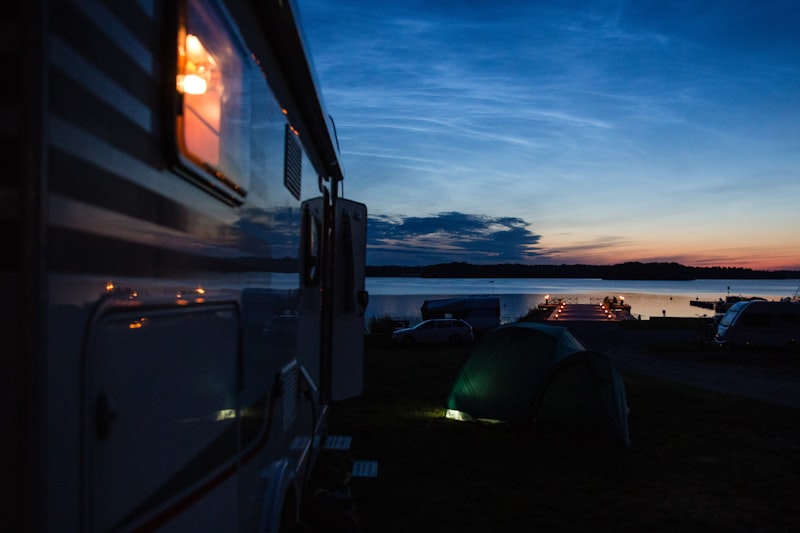
There is something about falling asleep to the sound of waves and waking up to a Hawaiian sunrise just steps from the sand. Beach camping in Hawaii is one of the most memorable family adventures you can have, and you do not need to be some kind of wilderness expert. If you can pitch a tent and apply sunscreen, you are qualified.
Here is what our family has learned about beach camping across the islands.
Best Beach Campgrounds for Families
Bellows Field Beach Park - Oahu
Bellows is the most popular family camping spot on Oahu, and for good reason. Windward side near Waimanalo, on a military installation but open to the public on weekends (Friday noon to Sunday noon). The beach is gorgeous - long, wide, and backed by ironwood trees that throw natural shade. Restrooms, outdoor showers, picnic tables. Waves are gentle enough for kids to bodyboard, sand is soft and golden.
Permits are required and issued through the City and County of Honolulu. You can apply online. Plan ahead - spots fill up fast during summer, so apply as soon as the reservation window opens. Watch the ironwood seeds in your slippers. They are the worst.
Malaekahana State Recreation Area - Oahu
Malaekahana on Oahu's North Shore is a hidden gem. Sits on a beautiful stretch of beach between Laie and Kahuku, and at low tide you can walk out to Goat Island (Mokuauia), a small offshore island with tide pools and nesting seabirds. Basic facilities - pit toilets, outdoor showers, no electricity - which makes it feel like genuine camping. There are also cabins available if your kids aren't quite ready for tent life.
Permits are through the state parks system at camping.ehawaii.gov.
Polihale State Park - Kauai
Polihale is for the adventurous family. End of a rough five-mile dirt road on Kauai's west side, one of the most remote and beautiful beaches in all of Hawaii. The beach stretches for miles, the sand dunes are massive, and on a clear night the stargazing is unreal. Basic facilities (pit toilets) but no water, no electricity, very limited cell service.
You need a vehicle with decent clearance for the access road. Not a sedan. And I'm not even kidding - rental car companies will void your insurance for that road. Bring all your water, be fully self-sufficient. Permits through the state parks system. This is not beginner camping. For families who are comfortable outdoors, it is unforgettable.
Spencer Beach Park - Big Island
Spencer Beach Park near Kawaihae on the Kohala Coast is the most family-friendly beach campground I've ever used. The beach is protected by a reef, water is calm, perfect for little swimmers. Full restrooms, showers, picnic tables, grills. The park is well-maintained and feels safe. It's also close to Puukohola Heiau National Historic Site, which is a great educational side trip with my kids.
Permits are through the Hawaii County parks department. This is the campground I recommend for first-time beach campers with kids. Big Island heads up: check the VOG before booking. Vog from Kilauea can drift across the island and ground inter-island flights, so build in a buffer day if you're flying in.
The Permit Process
Every beach campground in Hawaii requires a permit. No exceptions. Showing up without one can mean fines or being turned away. Breakdown:
- State parks (Malaekahana, Polihale): Book through camping.ehawaii.gov. Reservations open 30 days in advance for most sites.
- City and County parks - Oahu (Bellows): Book through the City and County of Honolulu camping permits page.
- County parks - Big Island (Spencer): Book through the Hawaii County Department of Parks and Recreation.
Non-residents pay more than locals. Apply as early as the reservation window allows, especially for summer weekends. Auntie Kalei has been camping at Bellows since the kids were in pull-ups and she still books the morning the window opens.
Essential Gear Checklist
You do not need to bring your own tent and gear from the mainland (though you can). Several outfitters on each island rent complete camping kits. If you are bringing your own:
- A tent with a good rainfly. Hawaii gets pop-up showers even in dry season.
- A pop-up beach tent with UPF 50+ for daytime shade at the campsite.
- Sleeping pads or air mattresses. You are on sand, which is softer than ground but still uncomfortable without padding.
- Light sleeping bags or just sheets. Nighttime lows rarely drop below 65F.
- A cooler backpack for food and drinks.
- A first aid kit. Always, always, always.
- Insect repellent wipes. Mosquitoes are real, especially near vegetation at dusk.
- Headlamps or lanterns for nighttime.
- A waterproof dry bag for electronics and valuables.
- Reef-safe sunscreen. Regular sunscreen damages the coral and is restricted by Hawaii law - they will check.
Food and Cooking
Some campgrounds have grills, but I always bring a portable camp stove for reliability. Stock up on groceries before heading out. There are usually no stores nearby. Costco Iwilei (the good one) or Foodland are your best bets. Don Q in Kaheka is great for cheap snacks and rice if you forgot any.
Easy camping meals that work great in Hawaii:
- Spam musubi - buy pre-made at Musubi Cafe Iyasume or even 7-Eleven, yes really.
- Grilled teriyaki chicken or burgers.
- Fresh poke from the fish counter at Foodland - the Pupukea Foodland poke is the one if you're heading North Shore (Tamura's is the other camp, the debate is endless).
- Tropical fruit for breakfast - pineapple, mango, papaya.
- Rice cooked on the camp stove (staple).
Safety Tips for Beach Camping with Kids
Beach camping is generally very safe, but the ocean demands respect 24/7. Non-negotiable rules:
- No swimming after dark, period. Not up for debate.
- Always know where the nearest lifeguard station is. Some campground beaches do not have them.
- Keep food secured and clean up thoroughly. Hawaii does not have bears, but it has mongoose, feral cats, and very bold chickens. The Lanikai chickens will absolutely take food out of your kid's hand. Don't laugh, I've watched it happen to a six-year-old.
- Watch for high surf advisories. Waves can reach much further up the beach than you would expect.
- Use a waterproof Bluetooth speaker at reasonable volume. You are sharing the campground.
- Bring more water than you think you need, especially at sites without potable water.
- Know which ER you'd go to if something happens. On Oahu, it's Kaiser if you have it, Castle on the Windward side if you don't.
Making It Special for Kids
Beach camping in Hawaii does not need any embellishment to be special, but here are things that made our trips unforgettable:
- Stargazing - download a star map app and identify constellations. Hawaii's skies, especially on Big Island and Kauai, are spectacular.
- Sunrise watching - set an alarm, make hot chocolate on the camp stove, sit on the beach together.
- Tide pool exploring - morning low tides reveal incredible sea life.
- Shell collecting - bring a small bag and let kids curate their collection.
- Stories (where fires are permitted) - some of Hawaii's mo'olelo are beautifully spooky.
Beach camping in Hawaii combines two things kids love, beach and camping, into one experience they'll remember forever. It takes a little planning, a few permits, and a willingness to be sandy for a couple of days. The memories - priceless.
A hui hou.