Advanced Snorkeling Spots in Hawaii for Teens and Strong Swimmers
Beyond the beginner bays. The best snorkeling spots in Hawaii for teens who are strong swimmers and ready for more marine life, more depth, and more adventure.
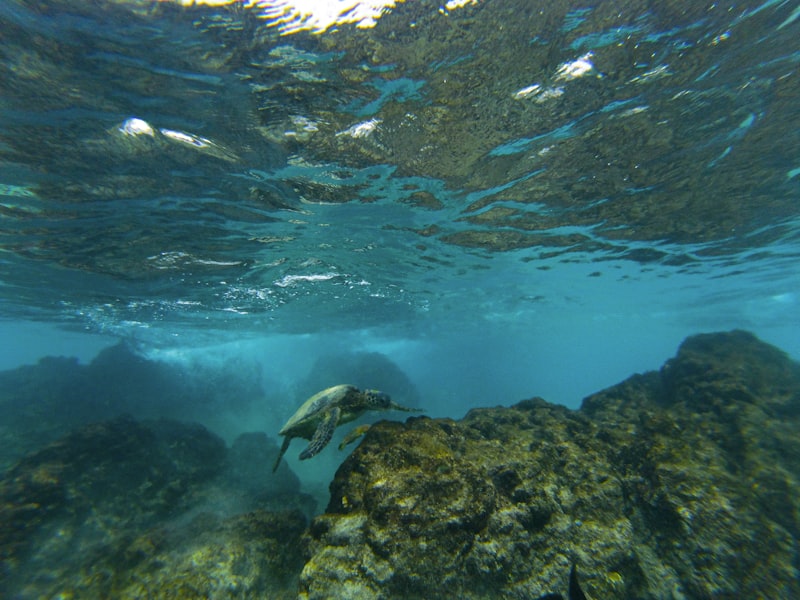
Your teenager has done the beginner snorkeling spots. They've floated over shallow reef at Hanauma Bay, spotted a few parrotfish in waist-deep water, and declared themselves ready for more. Good. Hawaii has snorkeling that goes far beyond the sandy-bottom tourist bays, and for teens who are strong swimmers, the upgrade is spectacular.
These are the spots where the reef drops off into deep blue, where pelagic fish cruise by, where honu are so common they barely glance at you, and where visibility stretches so far you feel like you are flying. They also come with stronger currents, deeper water, and real ocean conditions. Which is exactly what makes them exciting.
Molokini Crater - Maui
Molokini is a partially submerged volcanic crater about three miles off Maui's south shore, and it is the crown jewel of Hawaiian snorkeling. The crescent-shaped rim shelters a basin of impossibly clear water with visibility regularly exceeding 150 feet. Over 250 species of fish live here, including large schools of convict tang, Moorish idols, and the occasional whitetip reef shark.
You can only reach Molokini by boat, and several operators run morning tours from Ma'alaea Harbor. Inside of the crater is the standard snorkeling area, with a gently sloping reef wall that drops from about 10 feet to 50 feet. For strong teen swimmers, some operators also offer back wall dives on the outside of the crater, where the wall drops hundreds of feet into open ocean and you can see larger pelagic species.
Book a smaller boat (max 24 passengers) rather than the larger catamarans for a less crowded experience. Bring a full face snorkel mask if your teen prefers that style, though traditional mask-and-snorkel gives better performance at depth. An AKASO Brave 7 action camera is essential here. The clarity of the water produces stunning underwater footage that your teen will use as phone wallpaper for the next year.
Captain Cook Monument (Kealakekua Bay) - Big Island
Kealakekua Bay is a marine life conservation district, which means the reef has been protected from fishing and collecting for decades. The result is an underwater ecosystem that feels primordial. Massive coral heads, dense schools of yellow tang that turn entire sections of reef golden, spinner dolphins that regularly enter the bay, and honu cruising along the cliff face.
The snorkeling is best near the Captain Cook Monument on the north side of the bay. You can reach it by kayak (about a 1-mile paddle), by a steep 3.5-mile round trip hiking trail, or by boat tour. The kayak approach is the most rewarding for teens because they earn the snorkeling and get a workout. Rent kayaks from Kona Boys or Adventures in Paradise. Note: a permit is required to land at the monument now, and outfitters that handle the permit for you are worth the extra cost.
Water depth ranges from about 10 feet near the monument to well over 100 feet as you move toward the center of the bay. Currents can be present, especially in the afternoon when winds pick up. Morning is calmer with better visibility. Pack everything in a waterproof dry bag backpack for the kayak paddle over, and make sure your reef-safe sunscreen is applied generously. Reef-safe is the law in Hawaii. They will check at some boat checks.
Shark's Cove - Oahu (North Shore)
Shark's Cove is a summer-only spot on Oahu's North Shore (the same coast that produces massive winter surf waves). From May through September, the cove is calm, clear, and packed with marine life. Lava rock formations create a network of swim-throughs, small caverns, and overhangs that feel like exploring an underwater maze.
The name sounds scary but there are rarely actual sharks. The cove is formed by a natural lava rock barrier that creates a protected pool, but the interesting snorkeling happens beyond the barrier where the reef drops off. Eels, octopus, nudibranchs, and large parrotfish are common. The rocky entry requires water sandals or reef booties to avoid cutting your feet. And do NOT try this in winter - October through April the North Shore turns into a washing machine and people drown there. I'm not even kidding. Brah Kimo, who teaches my kids' surf lessons, will not even drive past in winter without grumbling.
Depth ranges from 5 feet inside the cove to 25-plus feet on the outer reef. Not unusual to find yourself swimming alongside scuba divers, as this is one of Oahu's most popular dive sites. Conditions here teach teens to deal with surge, rocky entries, and ocean awareness. All skills that level up their water confidence.
Honolua Bay - Maui
Honolua Bay on Maui's northwest coast is a marine life conservation district and one of the best shore-access snorkeling spots in Hawaii. The bay is protected from trade winds by high cliffs, and the reef system is old, complex, and thriving with life.
Access requires a short trail walk through a forest path that opens up to a rocky shoreline. Enter the water over the rocks and swim to the right toward the cliff face. Coral here is dense and the fish life is extraordinary. Trumpet fish, parrotfish, Moorish idols, frequent honu encounters.
Depth increases gradually from 5 feet near shore to 20-plus feet over the main reef, with a drop-off beyond that into blue water. Visibility is typically 50 to 80 feet. Afternoon currents can develop, so morning visits are recommended for families. Strong teen swimmers will love exploring the outer edges of the reef where the coral formations are largest.
Kapalua Bay - Maui
Kapalua Bay is technically a beginner-friendly spot, but its right side toward the rocky point has deeper water and more interesting marine life that rewards strong swimmers. Honu are almost guaranteed, and the rocky reef structure on the point side hosts eels, octopus, and schools of goatfish.
Great warm-up spot for teens transitioning from beginner to intermediate because it offers both shallow protected areas and deeper, more exposed sections within the same bay. Entry is sandy and easy.
Two Step (Honaunau Bay) - Big Island
Two Step earns its name from the natural lava rock steps you use to enter the water. It sits next to the Place of Refuge (Pu'uhonua o Honaunau National Historical Park) and offers immediate access to deep, clear water with exceptional reef structure.
The reef here starts right at the entry point and drops off to 30-plus feet within a short swim. Spinner dolphins frequently pass through in the morning, and the coral formations are large and healthy. Honu are so common here that you will quickly stop being surprised. Stay 10 feet back from them, that is federal law and locals will absolutely call it out if you don't.
The entry is the main challenge. The lava steps can be slippery, and when there is surf, timing your entry and exit between sets is important. Teens need to be comfortable in ocean conditions and should watch other snorkelers enter before going in themselves. Bring polarized sunglasses to see through the surface glare and scout conditions before getting in.
Essential Gear for Advanced Snorkeling
Stepping up from beginner spots means stepping up your gear. What your teen should have:
A quality mask that fits well is the single most important piece of equipment. Leaking masks ruin the experience. Spend time in the hotel room testing the seal before heading to an advanced spot. A full face snorkel mask designed for teens and adults works well for casual snorkeling, but for deeper dives and duck-diving under the surface, a traditional low-volume mask with a dry-top snorkel gives better performance.
Fins make a huge difference at advanced spots where you may be swimming against current or covering more distance. Bring your own rather than relying on rental fins that may not fit well.
A UPF 50+ rash guard provides sun protection during long sessions and adds a layer of warmth in deeper water. Even in Hawaii, spending an hour in 75-degree water will eventually make you cold.
Current Awareness and Safety
Advanced snorkeling spots have real currents, and teens need to understand them before entering. Basics to review together:
- Always check conditions before entering. If the water looks rough or murky, skip it and come back another day.
- Swim perpendicular to the current if you feel yourself being pulled, never fight it head-on.
- Stay close enough to shore or the boat that you can return without exhausting yourself.
- Morning conditions are almost always better. Less wind, less current, better visibility.
- Never snorkel alone. Teens should always have a buddy in the water.
Carry a first aid kit in your beach bag for reef scrapes and wana (sea urchin) spines. Minor injuries but they happen, especially at rocky entry points. Vinegar helps with urchin spines and hot water helps with the occasional scorpionfish encounter. And know which ER you'd run to if something more serious happens. On Oahu, Kaiser if you have it, Castle if you don't.
A portable charger keeps devices alive for checking surf reports, tide charts, and condition updates on apps like Surfline before heading to any advanced spot.
Advanced snorkeling in Hawaii is where the ocean transitions from a tourist attraction to a genuine wilderness experience. For teens who are ready, it builds water confidence, ocean awareness, and a deep appreciation for marine ecosystems no aquarium can replicate. Start with the calmer spots on this list, build skills and confidence, and work toward the more exposed locations. The progression itself is part of the adventure.
Mahalo.