5-Day Big Island Itinerary: Volcanoes, Coffee, and Black Sand Beaches
From glowing lava fields to the best Kona coffee you have ever tasted, this 5-day Big Island itinerary covers everything your family needs for an unforgettable Hawaii adventure. Day-by-day planning with tips from a mom who has done it with kids in tow.
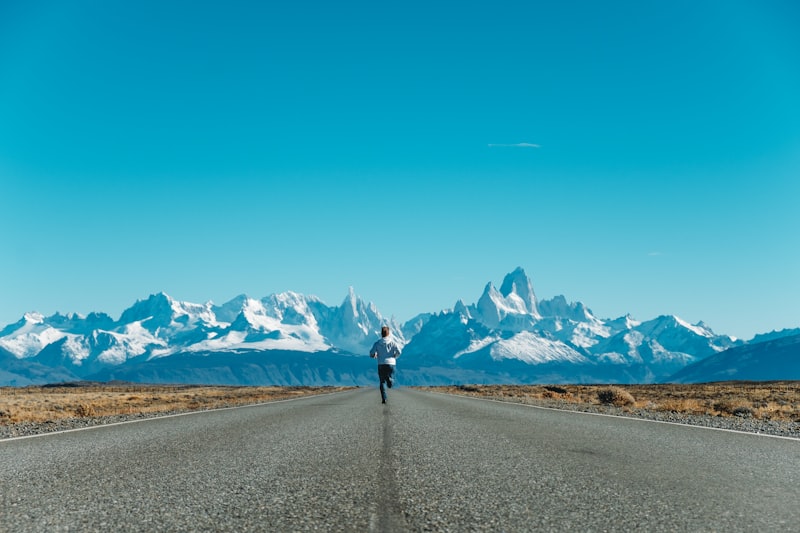
There's something about the Big Island that gets under your skin. Maybe it's the way the landscape shifts from bone-dry lava field to dripping rainforest in the span of a single drive. Maybe it's watching your kids stand on ground that is literally still being made. Whatever it is, five days on Hawaii Island changed how our whole family thinks about the world. Not being dramatic.
We've done this trip twice now, once with my kids as little ones and once when they were elementary age, and I've refined the itinerary down to what actually works for families. No frantic island-hopping. No twelve-hour driving days. The right pace to soak in one of the most extraordinary places on the planet.
Quick note: the Big Island is big. Like, twice-the-size-of-all-the-other-Hawaiian-islands-combined big. You will be doing some driving but I have grouped each day by region so you're not zigzagging.
Before You Go: What to Pack
The Big Island has nearly every climate zone on earth, so packing smart is everything. Layers. Sun protection. Gear that handles a tropical beach and a chilly volcano summit on the same day.
Sun protection is non-negotiable, and reef-safe is the law here. We use Thinkbaby Safe Sunscreen SPF 50+ - smooth, no ghost cast, holds up in the water. Apply generously, apply often. They actually do enforcement spot-checks at certain beach access points - the fine is real.
Footwear has to handle wet lava rock, tide pools, and everything in between. Flip-flops will not cut it. KEEN Newport H2 Water Sandals for every member. Closed toe is a lifesaver on jagged lava and they dry fast after tide pools. Also, throw a pair of rain boots in the suitcase for Volcanoes National Park. Trust me. The Kilauea trails get genuinely muddy and there is nothing worse than squelching through a four-mile hike in soaked sneakers.
One more: a waterproof phone pouch. Snorkeling, the black sand beach, anywhere near water. I have watched too many phones meet their end in Hawaiian surf.
And one critical Big Island thing: check the VOG forecast before you fly. Kilauea's volcanic smog can ground inter-island flights and dim every view on the island. We've had to reroute trips for it.
Day 1: Arrive in Kona and Find Your Island Rhythm
Morning and Afternoon: Settle In
Most flights land at Kona International Airport (KOA) on the west side. The airport itself sets the tone - open air, no walls, lava rock landscaping, warm breeze hitting you the second you step off. If you have young kids, this alone is a thrill.
Pick up your rental car (book well in advance, Big Island rentals sell out fast at peak), grab groceries at Costco or Safeway in Kailua-Kona, and head to your accommodation. Stay on the Kona or Kohala Coast for the first and last portions - that's where the best beaches, snorkeling, and sunshine live.
Don't plan anything ambitious for arrival day. Pool. Condo grounds. Decompress from travel. You have big days ahead and fighting jet lag on day one is a losing battle.
Late Afternoon: Magic Sands Beach
Once everyone has rested, drive about ten minutes south of Kailua-Kona to Magic Sands Beach (officially La'aloa Bay Beach Park). Small, gorgeous white sand crescent, perfect for a first-day dip. The sand here literally disappears during high surf season (hence the name) but when it's calm, it's one of the best body-surfing spots on the coast.
Fair warning: the shorebreak can be powerful. Keep little ones in the shallows and watch the conditions. Lifeguards on duty, which always makes me breathe easier.
Stay for sunset. Colors are unreal here. This is the moment your shoulders drop and vacation mode kicks in.
Evening: Dinner in Kailua-Kona
Head into Kailua-Kona for dinner. Ali'i Drive runs along the waterfront and is lined with restaurants and that small-town-on-the-ocean energy. For families, the fish tacos at Kona Brewing Company (great keiki menu, decent local craft beer for the parents). Lower-key, grab poke bowls from Da Poke Shack, consistently one of the best in the state. Get there early or they're sold out.
After dinner, walk along the seawall and watch for manta rays in the water near the Kona pier. The hotel lights attract plankton, which attracts the mantas. You can sometimes see them from shore - a free preview of what's coming on Day 4.
Day 2: Volcanoes National Park
Morning: The Drive Across the Island
Big day, early start. Driving from the Kona side to Hawaii Volcanoes National Park on the southeast side. About two and a half hours via Highway 11 and one of the most scenic drives you'll ever do. You climb from sea level through coffee country, past macadamia orchards, through Captain Cook and Naalehu (southernmost town in the U.S., if your kids are into geography trivia), and into the misty volcanic highlands.
Pack snacks and fill up your insulated water bottles because food options near the park are slim. Also fill a thermos with hot coffee or cocoa - the volcano area sits at 4,000 feet and it can be genuinely cold and rainy, especially if you've been on the warm Kona coast. The temperature shock catches people. We went from 85 at our hotel to 55 and drizzling at the crater rim.
Late Morning: Kilauea Iki Trail
Once you arrive and pay the park entrance fee (keep your receipt - it's good for seven days), head straight to the Kilauea Iki trailhead. In my opinion, the single best hike in Hawaii and one elementary kids can handle with encouragement.
Four-mile loop. Starts on the crater rim, descends through a lush ohia lehua forest, crosses the actual floor of a crater that erupted in 1959. You walk on hardened lava. Steam vents hiss around you. The scale is humbling. The boys talked about this hike for months.
Tips: wear those rain boots. The descent gets muddy and slick. Bring layers. The crater floor can be surprisingly warm (geothermal heat from below) but the rim is cool and windy. The hike runs about three hours at a comfortable pace. Steep descent and ascent but the trail is well-maintained with steps in the trickiest spots.
Afternoon: Nahuku (Thurston Lava Tube) and Chain of Craters Road
After the hike, drive to Nahuku, formerly Thurston Lava Tube, just minutes away. A short walk through a lit underground tunnel carved by flowing lava hundreds of years ago. The boys lost their minds. The tube is large enough that adults can walk upright and the surrounding rainforest is dense and dripping with ferns. Otherworldly.
Next, drive Chain of Craters Road. 19 miles, descending 3,700 feet from the crater rim to the coast. Petroglyphs, lava flows of different ages (you can read the years on the signs, some as recent as the 1970s), dramatic cliff views where lava meets ocean. The road dead-ends where a lava flow covered it. Let that sink in. The earth decided this road was done.
Stop at the Pu'u Loa Petroglyphs along the way. Short flat boardwalk over a lava field to thousands of ancient Hawaiian carvings. Bring binoculars. You can sometimes see honu from the cliffs and during whale season (December through April), humpbacks offshore.
Evening: Stay in Volcano Village
Stay the night in Volcano Village rather than driving back to Kona. Tiny charming community right outside the park - cute B&Bs, vacation rentals, and a community of artists and nature lovers. Air smells like eucalyptus and rain and woodsmoke. After dinner at one of the local spots (Thai Thai is surprisingly excellent), bundle up and drive back into the park after dark. The glow of the Halemaumau crater is visible at night when there's volcanic activity, and it is one of the most awe-inspiring things you will ever see. Check NPS for current activity before you go.
Day 3: The Hilo Side - Waterfalls, Markets, Black Sand
Morning: Rainbow Falls and Akaka Falls
From Volcano Village, drive about 45 minutes north to Hilo, the island's largest town and its rainy, lush, wonderfully funky counterpart to sunny Kona. First stop: Rainbow Falls (Waianuenue), right in town, no hiking required. You park and walk to a viewpoint overlooking an 80-foot falls plunging into a pool surrounded by tropical vegetation. On sunny mornings, rainbows form in the mist and I have never not seen one here.
Then 20 minutes north to Akaka Falls State Park. Short loop trail (less than half a mile) through bamboo forest and tropical gardens to a viewpoint of Akaka Falls, 442 feet straight down. The whole walk is paved with stairs. The scale is hard to capture in photos.
Late Morning: Hilo Farmers Market
Back to downtown Hilo for the Hilo Farmers Market. Runs every day but it's biggest on Wednesdays and Saturdays. Not a polished, Instagram-ready market. Crowded, chaotic, colorful, absolutely wonderful. Tropical fruits you've never heard of (try apple bananas and rambutan), fresh leis for a few dollars, local honey, handmade soap, and some of the best prepared food on the island.
Let the kids pick a fruit. Buy a bag of locally grown mac nuts. Grab a plate of fresh-made malasadas (Portuguese donuts) and eat them while they're still warm. This is Hawaii at its most authentic.
Early Afternoon: Big Island Candies
While in Hilo, stop at Big Island Candies factory. Free samples of their famous chocolate-dipped shortbread, and you can watch the candies being made through the glass. The boys could've stayed for an hour. Stock up for the flight home or for gifts. The macadamia nut shortbread is the stuff of legend.
Afternoon: Punaluu Black Sand Beach
From Hilo, drive south along the Hamakua Coast and then to Punaluu Black Sand Beach. Drive is about an hour and a half but it's beautiful. This beach is famous for two things: striking jet-black sand made of volcanic basalt, and the honu (Hawaiian green sea turtles) that haul themselves onto the warm dark sand to rest.
You will almost certainly see turtles. Federal law: 10 feet of distance minimum, no touching, no flash photos. Sis Lehua and I were here once when a tourist tried to pose for a selfie inches from a sleeping honu. The volunteer on duty got very stern very fast. Just sit quietly and watch. My older boy sat watching a sleeping turtle for twenty minutes straight, which is about nineteen minutes longer than he sits still for anything else.
The sand is coarse and pebbly, not great for sandcastles but incredible to look at and feel. Let the kids examine lava rock pieces but do not pocket them. Taking rocks from Hawaii is illegal and, according to local belief, invites bad luck from Pele, the volcano deity. We get a steady stream of mailed-back rocks at the post office every year. The water can be rough so this is a wading-and-watching beach, not a swimming one.
From Punaluu, drive back to your Kona-side accommodation. About two hours via Highway 11. The kids will fall asleep in the car, which is a good sign of a day well spent.
Day 4: Kona Coast - Snorkeling, Coffee, Manta Rays
Morning: Snorkeling at Two Step or Captain Cook Monument
Today is the Kona Coast and it starts with some of the best snorkeling in Hawaii. Two excellent options, both in the Captain Cook area, about 20 minutes south of Kailua-Kona.
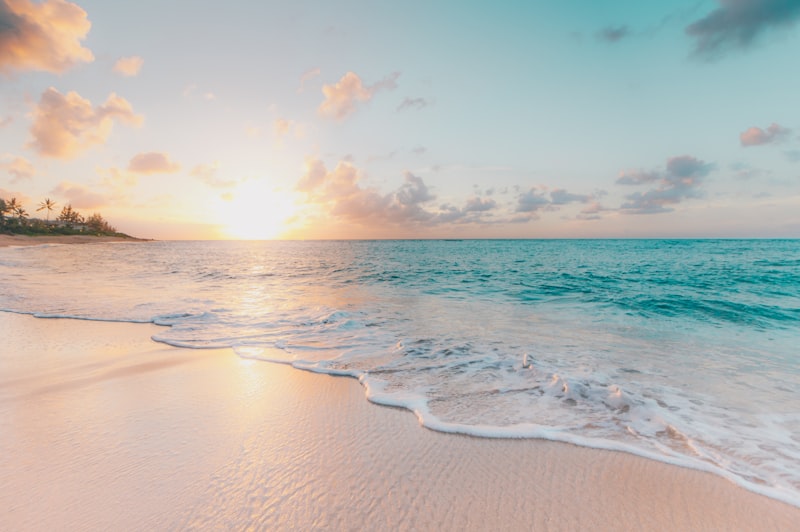
Two Step (Pae'a) at Honaunau Bay is my top pick for families. Entry is from a natural lava rock ledge with two flat steps into the water (hence the name). Reef is right there, a few kicks from shore, teeming with life. We've seen spinner dolphins, yellow tang, parrotfish, moray eels, and more honu than I could count. Calm and clear most mornings. Ideal for kids who are comfortable in open water.
If your kids are stronger swimmers and you want a bigger adventure, book a snorkel boat to Kealakekua Bay and the Captain Cook Monument. Marine preserve, some of the most pristine reef in Hawaii, water clarity is otherworldly. Historically significant - this is where Captain Cook first landed in Hawaii.
Whichever you pick, get there early. Conditions are best before the wind picks up in the afternoon and parking at Two Step fills fast. Reef-safe sunscreen, phone in waterproof pouch, in the water. Morning snorkeling on the Kona Coast is one of those experiences that reminds you why you schlepped all that luggage across the Pacific.
Afternoon: Kona Coffee Farm Tour
After snorkeling, dry off and head to one of the coffee farms in the Kona Coffee Belt - a narrow strip on the slopes of Hualalai and Mauna Loa where the volcanic soil, afternoon cloud cover, and gentle slopes create perfect growing conditions.
Several farms offer tours and tastings, many free. Greenwell Farms is one of the largest and most established (since 1850), free guided tours daily 9 AM to 3 PM, walk you through cherry to cup. Hula Daddy Kona Coffee is smaller and more intimate with a focus on the science of flavor. Mountain Thunder is up in the cloud forest and feels like a different ecosystem entirely.
Even if your kids could not care less about coffee (mine certainly didn't), they love seeing the bright red coffee cherries on the trees, the roasting demonstration, and on some farms feeding the animals. For the adults, sipping freshly roasted Kona coffee at the source, looking out over the slopes toward the ocean, is one of those deeply satisfying travel moments.
Pick up a bag or two to take home. Once you've had real Kona from a small farm, the grocery store stuff will never taste the same.
Evening: Manta Ray Night Snorkel
The highlight of the entire trip for many families, and I will be honest: it sounds terrifying and it is absolutely, transcendently beautiful. Several operators run manta ray night snorkels from the Kona Coast. You float on the surface holding a lighted board while manta rays - wingspans up to 12 feet - glide directly beneath you, feeding on the plankton drawn by the lights.
These are filter feeders. Completely harmless. They come so close you could reach out and touch them (please do not). The first time a manta swooped under the kids, they squealed through their snorkels so loudly I think the fish three reefs over heard them. Genuinely one of the most magical wildlife encounters anywhere on earth.
Most operators require kids to be at least five or six and comfortable in water. Life jackets and wetsuits provided. Book well in advance - these sell out at peak. Choose an operator with good reviews, small group sizes, and a real commitment to animal welfare.
Day 5: Kohala Coast Perfection and Departure
Morning: Hapuna Beach
Last full morning deserves the best beach on the island and that is Hapuna Beach. Consistently ranked among the best beaches in the entire United States. Wide half-mile crescent of white sand, gentle waves (most of the time), crystal-clear water, that impossible turquoise you thought only existed in screensavers.
Heads up: non-residents pay $10 per vehicle for parking and $5 per person for entry (cards only, QR codes on site). Hawaii residents free with state ID. Get there early before the lot fills. This is a swimming and boogie-boarding beach so let the kids play in the waves while you lie on the sand and contemplate never going home. Lifeguards, restrooms, and a small snack shop. You have everything you need for a perfect beach morning.
One caveat: during winter swells, Hapuna can have big surf. Check conditions and use your judgment. On calm days, it is paradise.
Late Morning: Puako Petroglyphs
Before you leave the Kohala Coast, stop at the Puako Petroglyph Archaeological Preserve. One of the largest collections of ancient Hawaiian petroglyphs in the islands - over 3,000 carvings on the lava rock. Walk from the trailhead is short and flat, about 15 minutes through a kiawe forest, and then you emerge onto a vast field of smooth pahoehoe lava covered in centuries-old images.
Human figures, canoes, circles, and symbols whose meanings have been debated for generations. For kids, treasure hunt mode. For adults, a humbling reminder of how long people have called these islands home. Bring binoculars to see carvings farther from the boardwalk.
Afternoon: South Kohala Resort Area and Departure
If your flight isn't until evening, spend a lazy afternoon in the South Kohala resort area. Even if you're not staying at one of the big resorts, you can enjoy the public beach access. Kings' Shops and Queens' MarketPlace at Waikoloa have shopping, restaurants, often free cultural demos like lei making or ukulele lessons.
For a last lunch, treat yourselves. Lava Lava Beach Club sits on the sand at Anaeho'omalu Bay and serves excellent food with your toes literally in the beach. The kind of place that makes you want to miss your flight on purpose.
The drive from the Kohala Coast back to Kona airport is only about 25 minutes so you can squeeze every last minute. As you drive through the lava fields on Queen Kaahumanu Highway, with Mauna Kea rising to your left and the ocean glittering to your right, take a deep breath. You'll be back. The Big Island calls people home.
Practical Tips for Your Big Island Trip
Getting Around
You absolutely need a rental car. There is no real public transportation for tourists and the distances between attractions are significant. A regular sedan is fine for everything in this itinerary. Four-wheel drive isn't needed unless you're driving to the summit of Mauna Kea, which I haven't included (not recommended for young kids due to altitude).
Where to Stay
Split your stay: three nights on the Kona or Kohala Coast (Days 1, 4, and 5) and one night in Volcano Village (Day 2). Saves a massive amount of backtracking. Vacation rentals and condos are widely available on both sides and usually more practical than hotels for families. Kitchen means you can stock local fruit and snacks and save restaurant meals for when you really want them.
Budget Tips
The Big Island can be expensive but there are ways to keep costs reasonable. Pack lunches for long driving days. Free activities like the petroglyph sites and many coffee farm tours stack up. The Hilo Farmers Market is one of the cheapest meals on the island. And stock up at Costco when you arrive. You'll thank yourself every time you pull a cold drink from the cooler instead of paying resort prices.
Weather and When to Go
Two distinct sides. Kona (west) is dry and sunny most of the year. Hilo (east) gets significant rain - that's why it's so lush. Volcano Village is cool and rainy. Pack for all of it. Best months are April-June and September-November - thinner crowds, lower prices. Winter (December-March) brings whales but also higher prices and bigger surf.
Respecting the Land
Hawaii is not just a vacation. It's a living, sacred place with deep cultural history. Teach your kids to tread lightly. Stay on marked trails. Don't stack rocks - those rock cairns you see in Instagram posts are actually dismantled cultural markers and old navigation aids, and a kumu hula like my neighbor Auntie Kalei will explain (politely, the first time) why they matter. Give wildlife generous space. Learn a few Hawaiian words and use them. And leave every place a little better than you found it.
The Big Island taught my family that the earth is alive, creative, and very much in charge. No screen, no theme park, no amount of curated entertainment can compete with standing on the edge of a volcanic crater and feeling the heat rise from below while your kid whispers, "The earth is breathing." That is the Big Island. That is why you go.
Save this guide for later
A hui hou.
Recommended Products
KEEN Newport H2 Water Sandals
Durable water sandals with toe protection for lava rocks and reef walking
View on AmazonKids Rain Boots for Volcano Hiking
Lightweight waterproof rain boots for muddy volcano trails
View on AmazonUniversal Waterproof Phone Pouch
Keep your phone safe during snorkeling and beach days in Hawaii
View on AmazonCamelBak Eddy+ Insulated Water Bottle
Stainless steel insulated water bottle for hot Hawaii days
View on AmazonOccer 12x25 Compact Binoculars
Lightweight binoculars for whale watching and volcano viewing
View on AmazonStanley Classic Vacuum Insulated Thermos
Keep Kona coffee hot on early morning volcano adventures
View on Amazon* Affiliate links: We may earn a commission from purchases made through these links, at no extra cost to you. See our full disclosure.